𝗠𝗼𝗿𝗲 𝘁𝗵𝗮𝗻 𝟭𝟬,𝟬𝟬𝟬 𝗽𝗲𝗼𝗽𝗹𝗲 𝘄𝗲𝗿𝗲 𝗺𝗼𝗯𝗶𝗹𝗶𝘀𝗲𝗱 𝘁𝗼 𝘁𝗲𝘀𝘁 𝗮 𝗻𝗲𝘄 𝗯𝗼𝗿𝗱𝗲𝗿-𝗰𝗿𝗼𝘀𝘀𝗶𝗻𝗴 𝘀𝘆𝘀𝘁𝗲𝗺 𝗯𝗲𝗳𝗼𝗿𝗲 𝗶𝘁 𝗼𝗽𝗲𝗻𝘀.
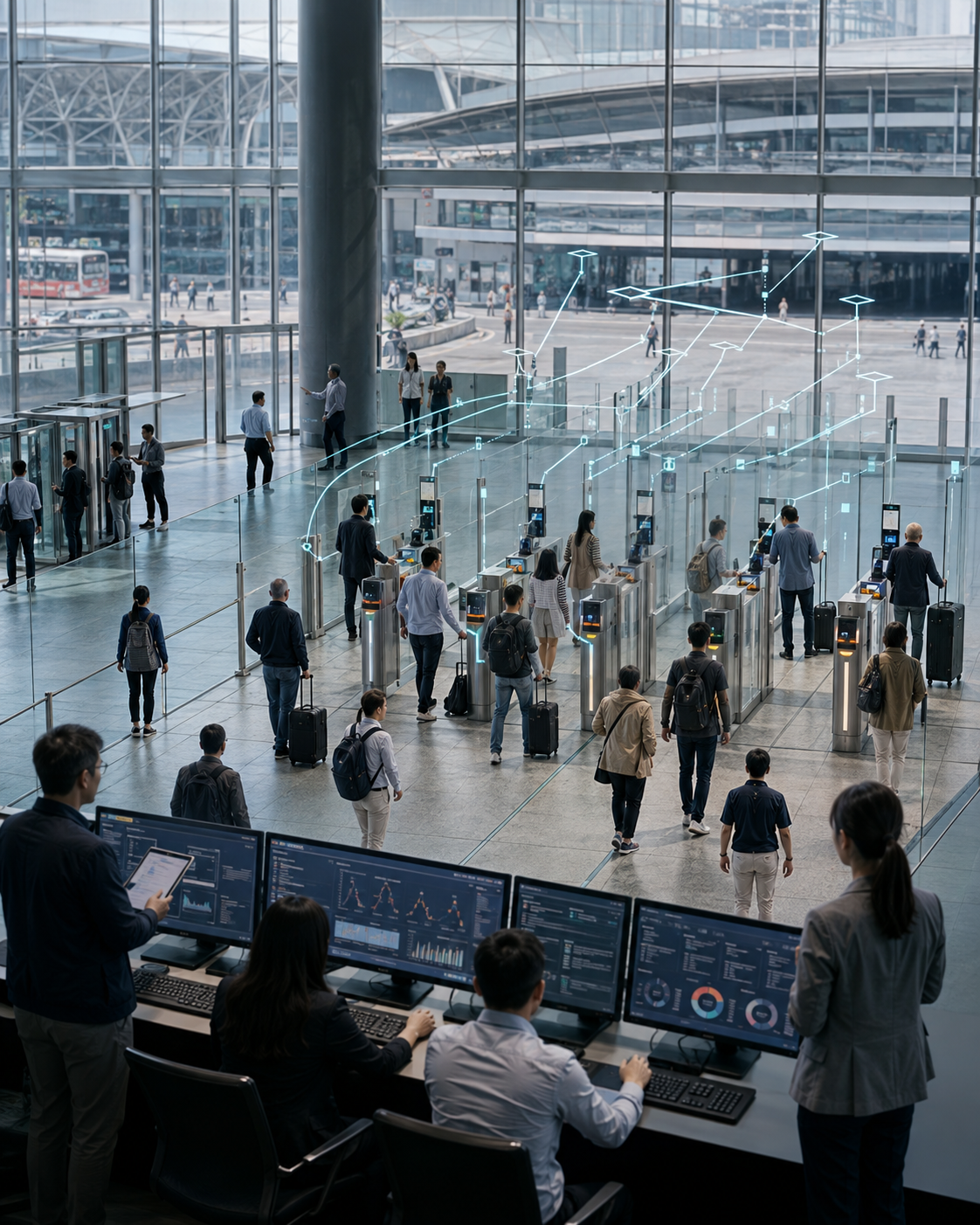
At the rebuilt Huanggang Port between Hong Kong and Shenzhen, the authorities did not simply check whether the automated gates worked.
They reproduced passenger congestion, vehicle queues, public-transport connections, immigration procedures, customs controls and coordination between multiple administrations.
More than 100 tests and drills are planned before the port becomes operational.
The technology is new. The approach is almost old-fashioned: create realistic conditions, expose the system to pressure, identify weaknesses and correct them before real users arrive.
➡️ This is particularly important when a process is supported by software.
Software is designed to simplify and standardise individual operations. To do so, it must translate a complex reality into predefined sequences, rules and expected behaviours.
➡️ But users do not always behave as the system anticipates.
Their needs, habits, interpretations and reactions differ. The larger and more diverse the user base, the greater the potential gap between the process imagined during development and the process experienced in practice.
➡️ A realistic stress test measures precisely that gap.
Having worked through several major software and procedural changes, both in banking and in industrial companies, I have often seen systems deployed and then progressively adjusted through live use.
Learning by doing can support innovation. But it should not replace testing how technology adapts to people, especially in infrastructure managing large flows, institutional coordination and public safety.
A system is not ready simply because its technology functions.
It is ready when technology, procedures and real human behaviour can function together under pressure.
➡️ Perhaps the most advanced aspect of this project is not the automation itself, but the decision to confront it with reality before putting it into service.