𝗧𝗵𝗲 𝗘𝗻𝗵𝗮𝗻𝗰𝗲𝗱 𝗚𝗮𝗺𝗲𝘀 𝗮𝗿𝗲 𝗻𝗼𝘁 𝗼𝗻𝗹𝘆 𝗮 𝘀𝗽𝗼𝗿𝘁𝘀 𝗰𝗼𝗻𝘁𝗿𝗼𝘃𝗲𝗿𝘀𝘆.

They are a useful business signal, especially while the event is still being discussed.
The idea is simple: remove the usual limits, allow enhancement, and see how far performance can be pushed.
At first glance, it looks like a story about speed, records and ambition.
But the deeper issue is different.
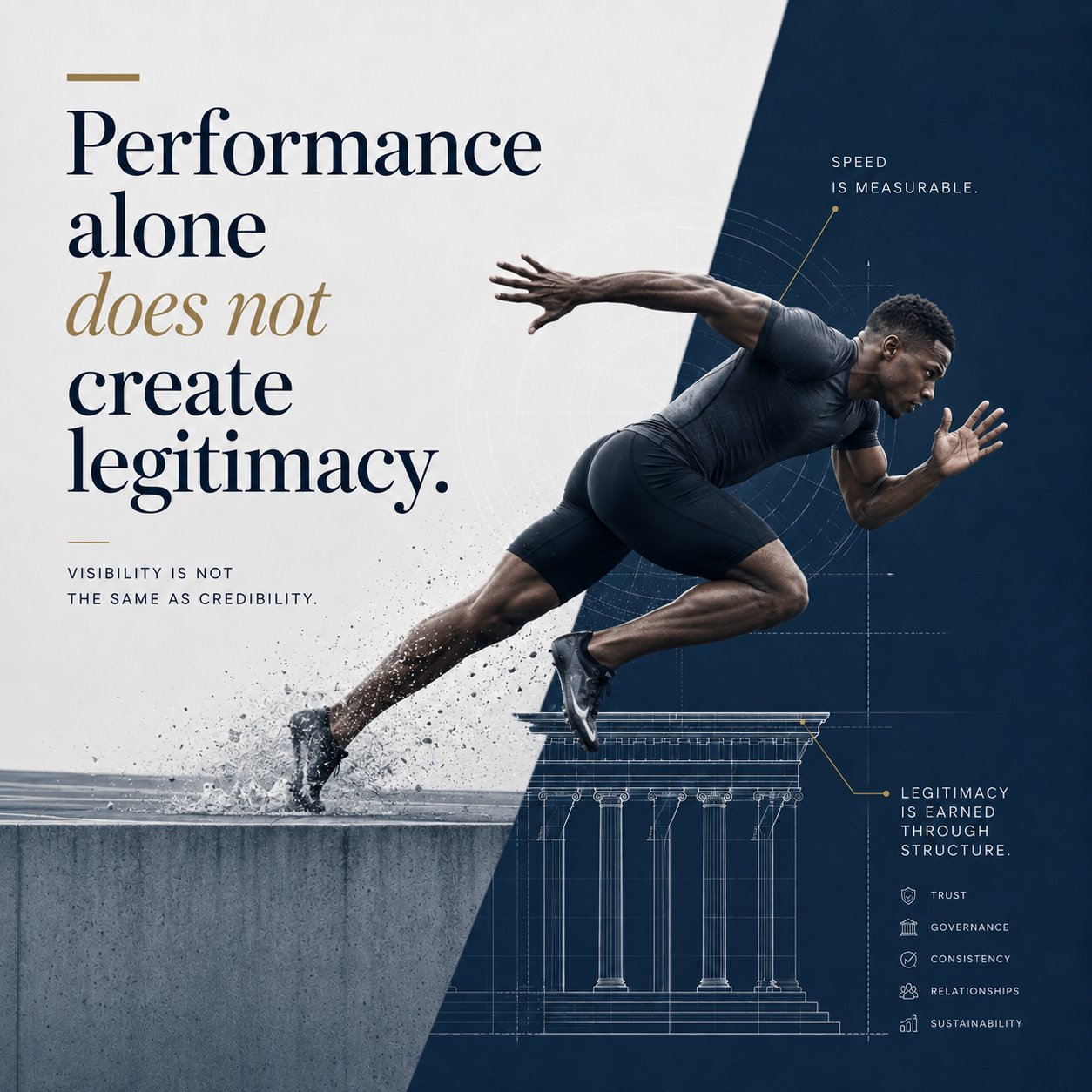
Performance alone does not create legitimacy.
A result may be faster.
It may attract attention.
It may even break a record.
But the strategic question is different:
✔️ Will the result be recognised?
Because performance outside a recognised framework creates visibility, not necessarily credibility.
This is not only true in sport.
It is also true in market expansion.
Many manufacturers enter new markets with a performance mindset:
move faster, push harder, sign quickly, show presence.
But technical markets do not reward acceleration alone.
They reward recognised capability.
➡️ A product must be understood.
➡️ A distributor role must be defined.
➡️ After-sales responsibilities must be clear.
➡️ Compliance must be credible.
➡️ Installers and technical buyers must trust the structure around the offer.
Without that architecture, speed can produce movement.
But not market position.
‼️Expansion is not acceleration. It is architecture.