𝗪𝗲𝗥𝗶𝗱𝗲’𝘀 𝗮𝘂𝘁𝗼𝗻𝗼𝗺𝗼𝘂𝘀-𝘃𝗲𝗵𝗶𝗰𝗹𝗲 𝗽𝗿𝗼𝗷𝗲𝗰𝘁 𝗶𝗻 𝗛𝗼𝗻𝗴 𝗞𝗼𝗻𝗴 𝘀𝗵𝗼𝘄𝘀 𝘁𝗵𝗮𝘁 𝗲𝗻𝘁𝗲𝗿𝗶𝗻𝗴 𝗮 𝗻𝗲𝘄 𝗺𝗮𝗿𝗸𝗲𝘁 𝗺𝗮𝘆 𝗿𝗲𝗾𝘂𝗶𝗿𝗲 𝗿𝗲𝗱𝗲𝘀𝗶𝗴𝗻𝗶𝗻𝗴 𝘁𝗵𝗲 𝘀𝘆𝘀𝘁𝗲𝗺, 𝗻𝗼𝘁 𝗺𝗲𝗿𝗲𝗹𝘆 𝗮𝗱𝗮𝗽𝘁𝗶𝗻𝗴 𝘁𝗵𝗲 𝗰𝗼𝗺𝗺𝗲𝗿𝗰𝗶𝗮𝗹 𝗼𝗳𝗳𝗲𝗿
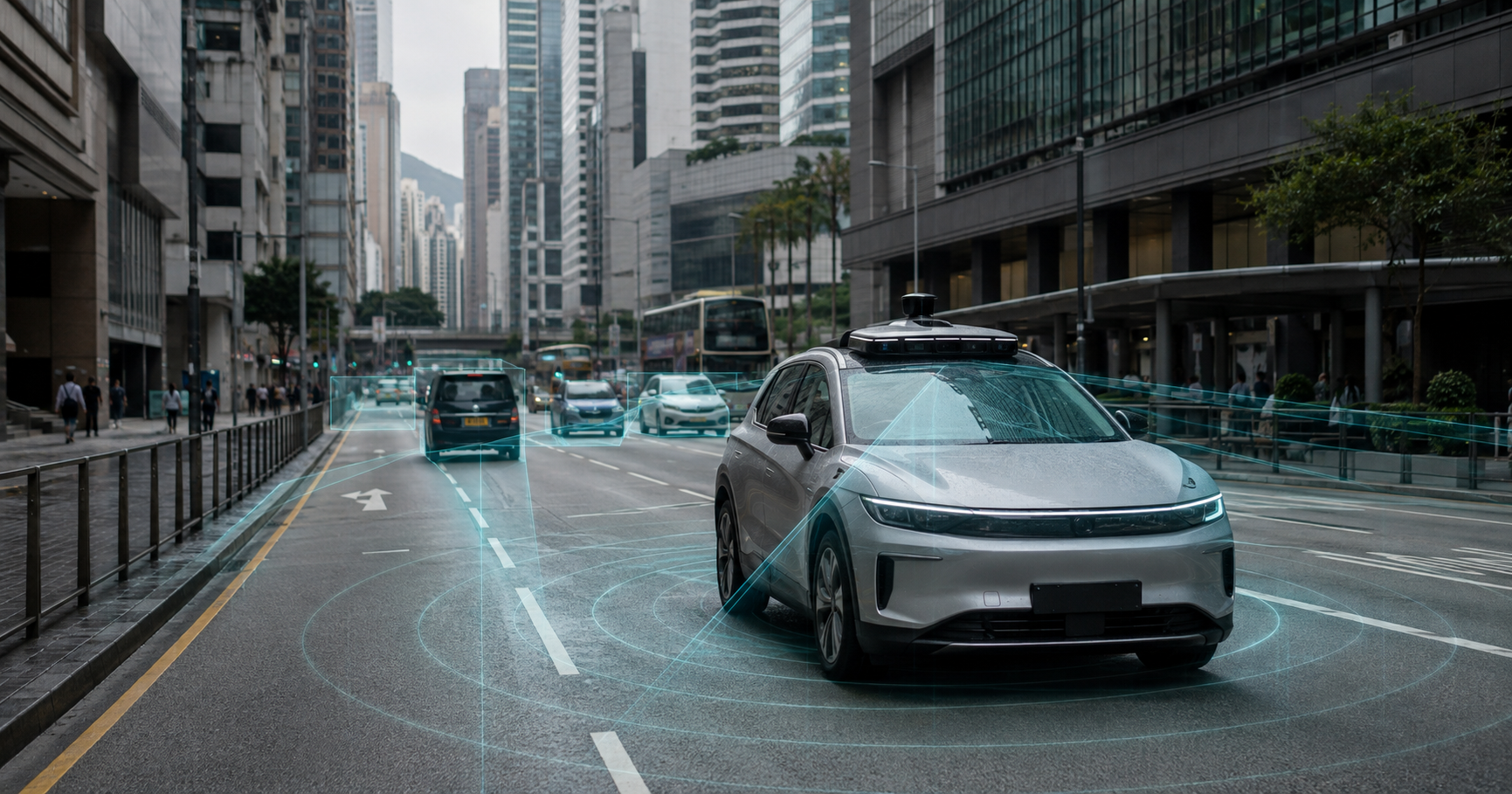
Developing a right-hand-drive autonomous vehicle is not simply a matter of relocating the steering wheel.
The product definition, vehicle platform, autonomous-driving system and human-machine interface must all be adapted to different traffic rules, road conditions and user habits.
➡️ This is not the simple transfer of an existing technology to another market.
It is a reconsideration of how that technology must operate within a different environment.
The mistake in market-entry planning is to treat localisation as a final commercial step, after the product has already been defined.
Documentation can be translated, certification obtained and a distribution channel established. But infrastructure, regulation, operating practices and user behaviour may also affect the product configuration, its servicing and ultimately its acceptance.
➡️ Hong Kong adds another strategic dimension to this example.
Its demanding operating conditions make it a strong validation environment, while the adaptations developed, there can support expansion into other right-hand-drive markets, including Singapore, Japan, Australia and the United Kingdom.
The investment is therefore not limited to entering one local market. It can create technical and operational knowledge that is reusable across several markets with comparable characteristics.
➡️ Market entry begins before channel selection.
It begins by validating whether the solution itself fits the environment in which it is expected to perform.
‼️Expansion is not acceleration. It is architecture.