
<?xml version="1.0" encoding="utf-8"?>
<feed xmlns="http://www.w3.org/2005/Atom" xmlns:media="http://search.yahoo.com/mrss/">
    <title>MICAD Perspectives</title>
    <link href="https://www.miccad.com/feed.xml" rel="self" />
    <link href="https://www.miccad.com" />
    <updated>2026-11-10T09:04:35+01:00</updated>
    <author>
        <name>Michele CADONI</name>
    </author>
    <id>https://www.miccad.com</id>

    <entry>
        <title>𝗥𝟮𝟵𝟬 𝗱𝗮𝗻𝘀 𝗹𝗲𝘀 𝘃𝗲́𝗵𝗶𝗰𝘂𝗹𝗲𝘀 𝗲́𝗹𝗲𝗰𝘁𝗿𝗶𝗾𝘂𝗲𝘀 : 𝗹𝗮 𝗺𝗮𝗶𝗻𝘁𝗲𝗻𝗮𝗻𝗰𝗲 𝗲𝘀𝘁-𝗲𝗹𝗹𝗲 𝗽𝗿𝗲̂𝘁𝗲 ?</title>
        <author>
            <name>Michele CADONI</name>
        </author>
        <link href="https://www.miccad.com/blog-post-10/"/>
        <id>https://www.miccad.com/blog-post-10/</id>
        <media:content url="https://www.miccad.com/media/posts/176/Maintenance-R290-des-vehicules-electriques-2.png" medium="image" />
            <category term="Technology"/>

        <updated>2026-11-06T17:10:00+01:00</updated>
            <summary type="html">
                <![CDATA[
                        <img src="https://www.miccad.com/media/posts/176/Maintenance-R290-des-vehicules-electriques-2.png" alt="" />
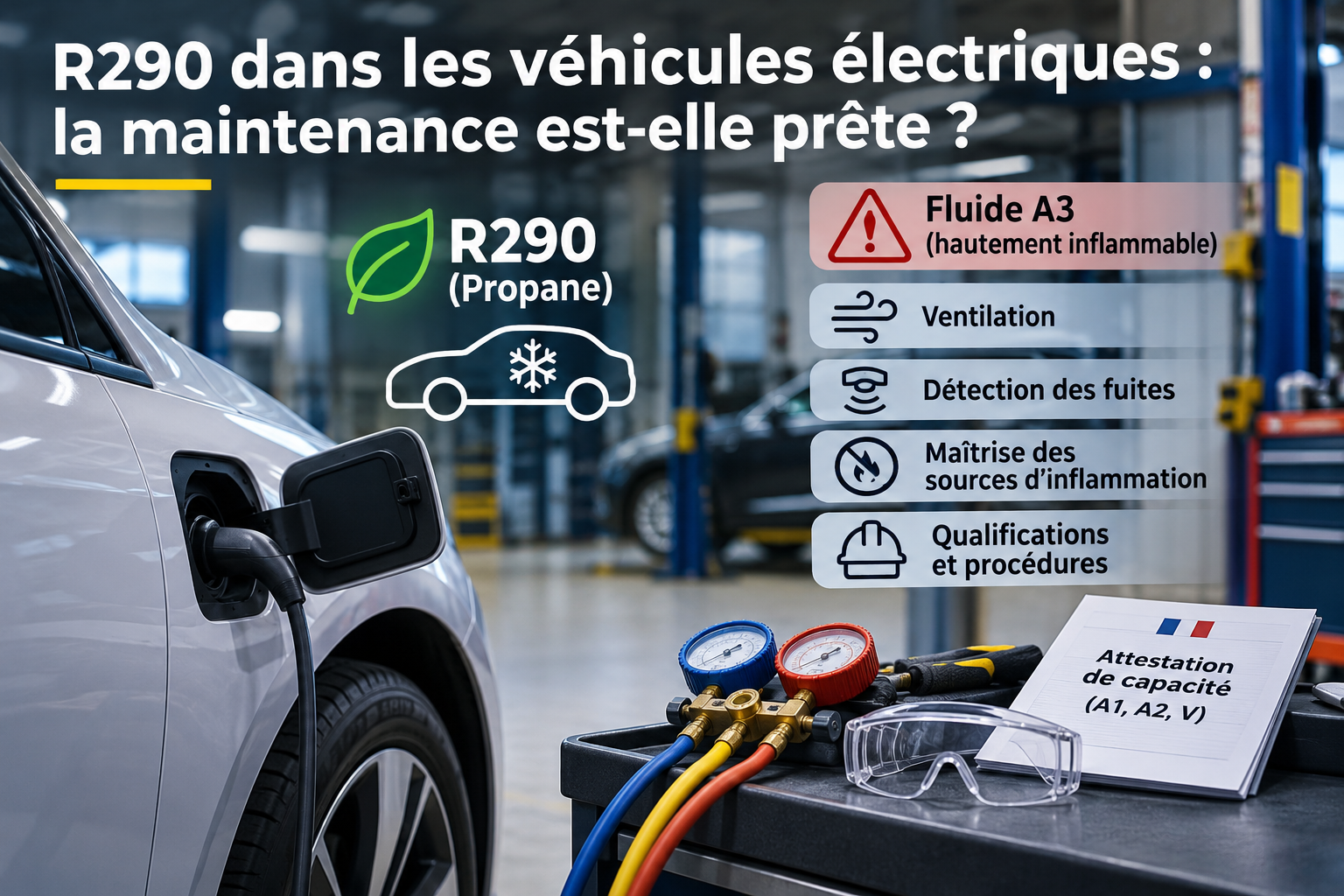
                    Ford poursuit le développement de systèmes de gestion thermique au propane (R290) pour les véhicules électriques. Les résultats présentés en septembre 2026 confirment des avancées encourageantes, notamment avec une architecture à deux circuits secondaires. L'utilisation de fluides frigorigènes naturels dans l'automobile n'est pas nouvelle (Mercedes-Benz&hellip;
                ]]>
            </summary>
        <content type="html">
            <![CDATA[
                    <p><img src="https://www.miccad.com/media/posts/176/Maintenance-R290-des-vehicules-electriques-2.png" class="type:primaryImage" alt="" /></p>
                <p> </p>
<p><span class="gvyl34 gvyayi gvyj2d gvyl4o" tabindex="-1" data-testid="expandable-text-box">Ford poursuit le développement de systèmes de gestion thermique au propane (R290) pour les véhicules électriques. Les résultats présentés en septembre 2026 confirment des avancées encourageantes, notamment avec une architecture à deux circuits secondaires.<br><br>L'utilisation de fluides frigorigènes naturels dans l'automobile n'est pas nouvelle (Mercedes-Benz avec le R744, par exemple). Mais, cette fois, il s'agit d'un fluide classé A3, hautement inflammable.<br><br>Son utilisation exige des précautions spécifiques en matière de ventilation, de détection des fuites et de maîtrise des sources d'inflammation.<br><br>Le rappel récent de certaines pompes à chaleur au R290, lié aux conditions d'installation, illustre l'importance de ces précautions, particulièrement dans les ateliers automobiles où coexistent équipements électriques, surfaces chaudes et matières combustibles.<br><br>𝗘𝗻 𝗙𝗿𝗮𝗻𝗰𝗲, 𝗹𝗮 𝗾𝘂𝗲𝘀𝘁𝗶𝗼𝗻 𝗱𝗲𝘀 𝗾𝘂𝗮𝗹𝗶𝗳𝗶𝗰𝗮𝘁𝗶𝗼𝗻𝘀 𝘀𝗲 𝗽𝗼𝘀𝗲 𝗲́𝗴𝗮𝗹𝗲𝗺𝗲𝗻𝘁.<br><br>L'arrêté du 21 novembre 2025 intègre les hydrocarbures dans les catégories A1 et A2 des attestations de capacité. Mais la catégorie V, réservée à la climatisation automobile, reste définie autour des gaz fluorés, sans extension explicite au R290.<br><br>Les avancées de Ford soulignent ainsi la nécessité d'anticiper l'adaptation des qualifications, des équipements et des procédures d'intervention.<br><br>Avec un fluide A3, la préparation du réseau de maintenance ne peut pas attendre l'arrivée des premiers véhicules sur le marché.<br><br>𝗦𝗼𝘂𝗿𝗰𝗲𝘀 :<br>• <span class="gvygm6 gvyl4o"><a aria-label="Open http://NaturalRefrigerants.com" class="gvyhn4 gvyl5v" href="https://www.linkedin.com/safety/go/?url=http%3A%2F%2FNaturalRefrigerants%2Ecom&amp;urlhash=bjXT&amp;mt=BZlBjFdWdGhCm1m_zbCcfDXH_fftjXPlZ8T1LUVMVVEB2J-taFnC_ZzGEMp-KKzrLwwGpWI7bljewNrh8kGIQudVgXaJ7cByyb7yA89APmUfe34hfqm8dKStYYWFwktAw2QKoDbor6puI-ppSWfre_ISqXBsgJ5vnwPcISujCAplygBFisIXGUspd6OSOA-iqyFayo_gK4xsL6SYr4TuOQ&amp;isSdui=true" target="_blank" rel="noopener"><strong>NaturalRefrigerants.com</strong></a></span>, 28 𝘰𝘤𝘵𝘰𝘣𝘳𝘦 2026, *𝘈𝘛𝘔𝘖 𝘔𝘈𝘊 2026 : 𝘦𝘴𝘴𝘢𝘪𝘴 𝘍𝘰𝘳𝘥 𝘴𝘶𝘳 𝘶𝘯 𝘴𝘺𝘴𝘵𝘦̀𝘮𝘦 𝘥𝘦 𝘨𝘦𝘴𝘵𝘪𝘰𝘯 𝘵𝘩𝘦𝘳𝘮𝘪𝘲𝘶𝘦 𝘢𝘶 𝘙290 𝘱𝘰𝘶𝘳 𝘷𝘦́𝘩𝘪𝘤𝘶𝘭𝘦𝘴 𝘦́𝘭𝘦𝘤𝘵𝘳𝘪𝘲𝘶𝘦𝘴.*<br>• 𝘓𝘦́𝘨𝘪𝘧𝘳𝘢𝘯𝘤𝘦, 𝘢𝘳𝘳𝘦̂𝘵𝘦́ 𝘥𝘶 21 𝘯𝘰𝘷𝘦𝘮𝘣𝘳𝘦 2025 𝘳𝘦𝘭𝘢𝘵𝘪𝘧 𝘢𝘶𝘹 𝘢𝘵𝘵𝘦𝘴𝘵𝘢𝘵𝘪𝘰𝘯𝘴 𝘥𝘦 𝘤𝘢𝘱𝘢𝘤𝘪𝘵𝘦́ 𝘥𝘦𝘴 𝘰𝘱𝘦́𝘳𝘢𝘵𝘦𝘶𝘳𝘴, 𝘯𝘰𝘵𝘢𝘮𝘮𝘦𝘯𝘵 𝘭𝘦𝘴 𝘤𝘢𝘵𝘦́𝘨𝘰𝘳𝘪𝘦𝘴 𝘈1, 𝘈2 𝘦𝘵 𝘝.<br>• 𝘙𝘢𝘱𝘱𝘦𝘭𝘊𝘰𝘯𝘴𝘰, 8 𝘫𝘶𝘪𝘭𝘭𝘦𝘵 2026, 𝘳𝘢𝘱𝘱𝘦𝘭 𝘥𝘦 𝘤𝘦𝘳𝘵𝘢𝘪𝘯𝘦𝘴 𝘱𝘰𝘮𝘱𝘦𝘴 𝘢 𝘤𝘩𝘢𝘭𝘦𝘶𝘳 𝘘𝘭𝘪𝘮𝘢 𝘢𝘶 𝘙290 𝘱𝘰𝘶𝘳 𝘳𝘪𝘴𝘲𝘶𝘦 𝘥'𝘪𝘯𝘧𝘭𝘢𝘮𝘮𝘢𝘵𝘪𝘰𝘯 𝘦𝘯 𝘤𝘢𝘴 𝘥𝘦 𝘧𝘶𝘪𝘵𝘦.</span> </p>
            ]]>
        </content>
    </entry>
    <entry>
        <title>Two articles in 𝗕𝘂𝘀𝗶𝗻𝗲𝘀𝘀 𝗛𝗼𝗿𝗶𝘇𝗼𝗻𝘀</title>
        <author>
            <name>Michele CADONI</name>
        </author>
        <link href="https://www.miccad.com/two-articles-in/"/>
        <id>https://www.miccad.com/two-articles-in/</id>
        <media:content url="https://www.miccad.com/media/posts/175/Productivite-de-lIA-capacite-organisationnelle-2.png" medium="image" />
            <category term="Industrial Markets"/>

        <updated>2026-11-03T17:13:00+01:00</updated>
            <summary type="html">
                <![CDATA[
                        <img src="https://www.miccad.com/media/posts/175/Productivite-de-lIA-capacite-organisationnelle-2.png" alt="" />
                    caught my attention because they connect individual productivity with a wider question: what allows AI-supported work to scale across a company? ▪️ “𝗔𝗜 𝗺𝗲𝗲𝘁𝘀 𝗜𝗔” examines how GenAI helps employees refine established tasks and explore new possibilities. ▪️ "𝗦𝗰𝗮𝗹𝗶𝗻𝗴 𝗔𝗜 𝗹𝗶𝘁𝗲𝗿𝗮𝗰𝘆 𝗶𝗻 𝗼𝗿𝗴𝗮𝗻𝗶𝘇𝗮𝘁𝗶𝗼𝗻𝘀” explores how&hellip;
                ]]>
            </summary>
        <content type="html">
            <![CDATA[
                    <p><img src="https://www.miccad.com/media/posts/175/Productivite-de-lIA-capacite-organisationnelle-2.png" class="type:primaryImage" alt="" /></p>
                <p><span class="gvyl34 gvyayi gvyj2d gvyl4o" tabindex="-1" data-testid="expandable-text-box">caught my attention because they connect individual productivity with a wider question: what allows AI-supported work to scale across a company?<br><br>▪️ “𝗔𝗜 𝗺𝗲𝗲𝘁𝘀 𝗜𝗔” examines how GenAI helps employees refine established tasks and explore new possibilities. <br>▪️ "𝗦𝗰𝗮𝗹𝗶𝗻𝗴 𝗔𝗜 𝗹𝗶𝘁𝗲𝗿𝗮𝗰𝘆 𝗶𝗻 𝗼𝗿𝗴𝗮𝗻𝗶𝘇𝗮𝘁𝗶𝗼𝗻𝘀” explores how individual capabilities become dependable organisational practices.<br><br>Consider a technical manufacturer: <br>A salesperson could use GenAI to compare customer requirements with product documentation and prepare a preliminary equipment selection.<br><br>Preparation becomes faster. But the company’s capacity to handle more enquiries also depends on the technical assessment and approval that follow. ➡️ Time saved at one stage does not establish the gain across the complete process.<br><br>In maintenance, a junior technician could use GenAI to interpret a reported fault and identify initial checks.<br><br>The company must still determine whether the assessment is credible, whether remote support is sufficient or whether a specialist must attend. Those judgements shape intervention planning and the allocation of expertise. AI could also help specialists review cases faster and enable junior staff to resolve more standard problems. <br><br>Skilled capacity need not increase in proportion to activity. ➡️ But that potential must be assessed across the workflow before it becomes an assumption in a growth plan.<br><br>The strategic risk is counting the productivity gains while overlooking the competence needed to direct the work, challenge recommendations and recognise when a different intervention is necessary.<br><br>➡️ AI can create the impression of unlimited productivity. <br><br>Management must account for the limits of the organisation’s skills, judgement and capacity to act.<br>‼️Expansion is not acceleration. It is architecture.<br>S𝘰𝘶𝘳𝘤𝘦𝘴:<br>“𝘈𝘐 𝘮𝘦𝘦𝘵𝘴 𝘐𝘈: 𝘈 𝘵𝘺𝘱𝘰𝘭𝘰𝘨𝘺 𝘰𝘧 𝘎𝘦𝘯𝘈𝘐-𝘴𝘶𝘱𝘱𝘰𝘳𝘵𝘦𝘥 𝘸𝘰𝘳𝘬 𝘵𝘩𝘳𝘰𝘶𝘨𝘩 𝘪𝘯𝘥𝘪𝘷𝘪𝘥𝘶𝘢𝘭 𝘢𝘮𝘣𝘪𝘥𝘦𝘹𝘵𝘦𝘳𝘪𝘵𝘺.” 𝘉𝘶𝘴𝘪𝘯𝘦𝘴𝘴 𝘏𝘰𝘳𝘪𝘻𝘰𝘯𝘴 (2026).<br><span class="gvygm6 gvyl4o"><a aria-label="Open https://lnkd.in/enhtYdC9" class="gvyhn4 gvyl5v" href="https://www.linkedin.com/safety/go/?url=https%3A%2F%2Flnkd%2Ein%2FenhtYdC9&amp;urlhash=bhr0&amp;mt=Qfzj7HHwd2RWWRd7R6e4-Ll4Fk9_C_pYb-T5IZ2AXymEz-AU8LkzVDCDbe8Vz7tHf6yaE-VATlufagVn1U6lmDyePiLvyQjr7KtndmNLgvVmD8mO9nn5nZHOcEjSa4_ZSMdEpnOgN3lE13u3Fh5sOmqvIW2gtME26LjAosY8h4hCGrLoiRP__vaBo--EJPhommpnHzrwRuhl_1fQ0lN9Tg&amp;isSdui=true" target="_blank" rel="noopener"><strong>https://lnkd.in/enhtYdC9</strong></a></span><br>“𝘚𝘤𝘢𝘭𝘪𝘯𝘨 𝘈𝘐 𝘭𝘪𝘵𝘦𝘳𝘢𝘤𝘺 𝘪𝘯 𝘰𝘳𝘨𝘢𝘯𝘪𝘻𝘢𝘵𝘪𝘰𝘯𝘴: 𝘈 𝘧𝘳𝘢𝘮𝘦𝘸𝘰𝘳𝘬 𝘢𝘯𝘥 𝘳𝘰𝘢𝘥𝘮𝘢𝘱 𝘧𝘰𝘳 𝘮𝘢𝘯𝘢𝘨𝘦𝘳𝘴.” 𝘉𝘶𝘴𝘪𝘯𝘦𝘴𝘴 𝘏𝘰𝘳𝘪𝘻𝘰𝘯𝘴, 𝘫𝘰𝘶𝘳𝘯𝘢𝘭 𝘱𝘳𝘦-𝘱𝘳𝘰𝘰𝘧 (2026).<br><span class="gvygm6 gvyl4o"><a aria-label="Open https://lnkd.in/eKu5UwNV" class="gvyhn4 gvyl5v" href="https://www.linkedin.com/safety/go/?url=https%3A%2F%2Flnkd%2Ein%2FeKu5UwNV&amp;urlhash=9I3z&amp;mt=PxDupJpvL6H4t-YayllXCxTr6iJfaPO_gDlhzO0QBUn5UPFkbrKTfxx6fiS994pq3BeEgFTZFqejRuCRhwYYD_Z8Qau6n404FSAfv_I9gS4NY_s4AncAIZsM4ZEjXjd-ANCnYY_8GjqoyVA9_PA6RSwabJABn8DMICqpDhW2SDYiIK5kU0YwXySivmRjf02AU7U__zPO9H3IG_UPqNRYYQ&amp;isSdui=true" target="_blank" rel="noopener"><strong>https://lnkd.in/eKu5UwNV</strong></a></span></span> </p>
            ]]>
        </content>
    </entry>
    <entry>
        <title>Les cas français déclarés en 2026 au 𝗦𝗲𝗰𝗿𝗲́𝘁𝗮𝗿𝗶𝗮𝘁 𝗱𝗲 𝗹&#x27;𝗼𝘇𝗼𝗻𝗲 𝗱𝗲𝘀 𝗡𝗮𝘁𝗶𝗼𝗻𝘀 𝘂𝗻𝗶𝗲𝘀,</title>
        <author>
            <name>Michele CADONI</name>
        </author>
        <link href="https://www.miccad.com/les-cas-francais-declares-en-2026-au/"/>
        <id>https://www.miccad.com/les-cas-francais-declares-en-2026-au/</id>
        <media:content url="https://www.miccad.com/media/posts/174/ChatGPT-Image-3-nov.-2026-16_05_50-2.png" medium="image" />
            <category term="Industrial Markets"/>

        <updated>2026-11-03T17:12:00+01:00</updated>
            <summary type="html">
                <![CDATA[
                        <img src="https://www.miccad.com/media/posts/174/ChatGPT-Image-3-nov.-2026-16_05_50-2.png" alt="" />
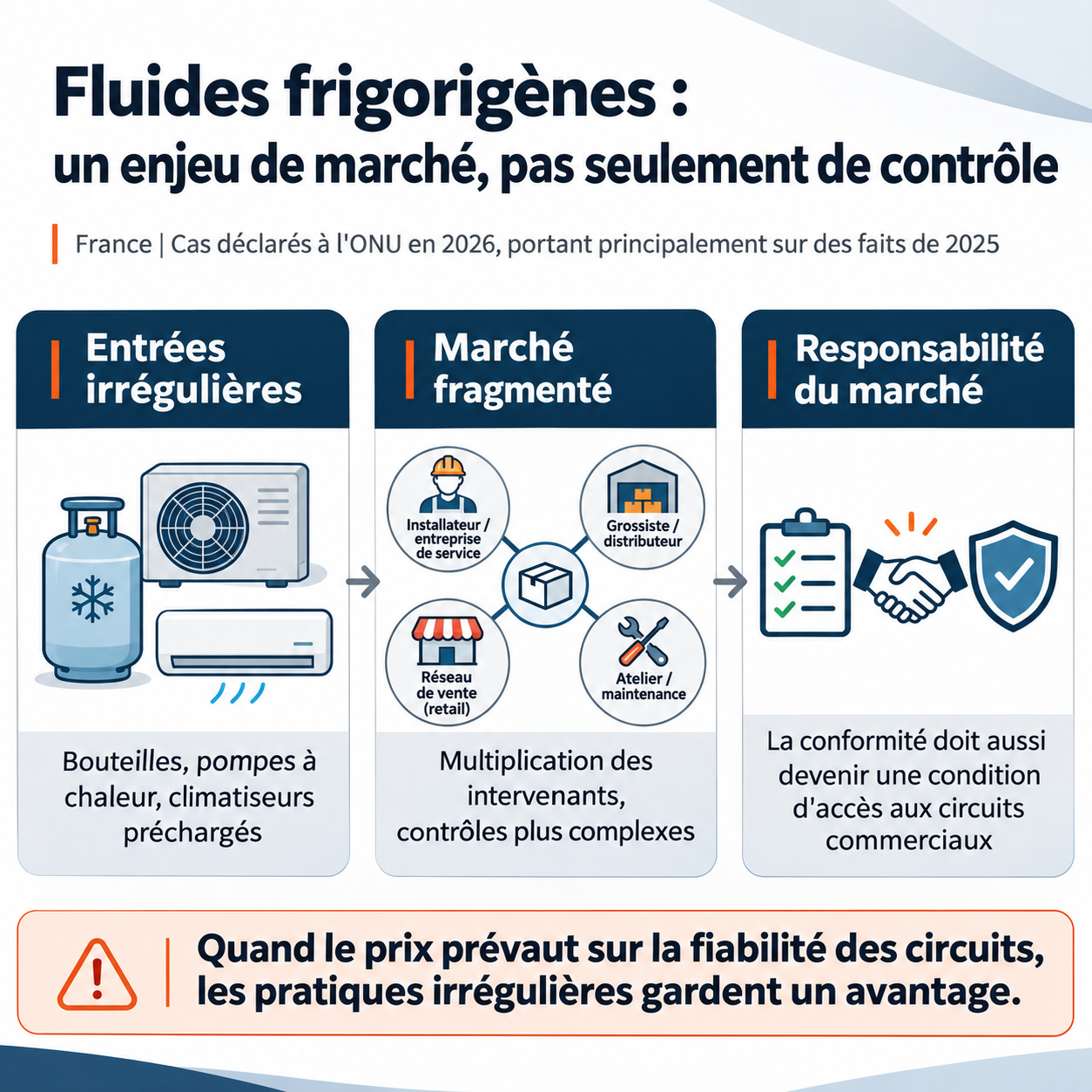
                    concernant principalement des faits de 2025, révèlent des irrégularités touchant non seulement les fluides frigorigènes en bouteilles, mais aussi des pompes à chaleur et des climatiseurs préchargés. Cette diversité des formes d'entrée sur le marché français CVC/R doit être rapprochée de la structure même de&hellip;
                ]]>
            </summary>
        <content type="html">
            <![CDATA[
                    <p><img src="https://www.miccad.com/media/posts/174/ChatGPT-Image-3-nov.-2026-16_05_50-2.png" class="type:primaryImage" alt="" /></p>
                <p><span class="gvyl34 gvyayi gvyj2d gvyl4o" tabindex="-1" data-testid="expandable-text-box">concernant principalement des faits de 2025, révèlent des irrégularités touchant non seulement les fluides frigorigènes en bouteilles, mais aussi des pompes à chaleur et des climatiseurs préchargés.<br><br>Cette diversité des formes d'entrée sur le marché français CVC/R doit être rapprochée de la structure même de la filière.<br><br>La récente enquête 𝗦𝗡𝗘𝗙𝗖𝗖𝗔/𝗫𝗲𝗿𝗳𝗶 2026 rappelle que 91,5 % des entreprises de la branche du froid, des cuisines professionnelles et de la climatisation comptent moins de 20 salariés.<br><br>À cette fragmentation des activités d'installation et de maintenance s'ajoute la diversité des circuits de distribution. Une situation qui ne constitue pas une cause du commerce illicite, mais qui multiplie les intervenants et les points où la conformité doit être vérifiée.<br><br>Dans un marché marqué par la réduction progressive des quotas HFC et une forte concurrence sur les prix, les produits échappant aux obligations réglementaires peuvent exercer une pression supplémentaire sur les marges des opérateurs conformes.<br><br>La concurrence déloyale risque ainsi de fragiliser non seulement leur capacité d'investissement, mais aussi le maintien de services techniques de proximité.<br><br>Dans un marché aussi fragmenté, les contrôles publics restent indispensables, sans pouvoir couvrir individuellement chaque transaction.<br><br>Mais, la responsabilité ne peut pas reposer uniquement sur les autorités.<br><br>Fabricants, importateurs et distributeurs disposent eux aussi de leviers : vérifier l'origine des produits, sélectionner leurs partenaires sur des critères de conformité et tirer les conséquences commerciales des infractions établies.<br><br>Tant que le prix et la marge prévalent sur la fiabilité des circuits d'approvisionnement, les pratiques irrégulières peuvent conserver un avantage économique.<br><br>La conformité ne devrait pas seulement être une obligation imposée au marché. Elle devrait aussi devenir une condition pour participer durablement à ses circuits commerciaux.<br><br>‼️Expansion is not acceleration. It is architecture.<br><br><strong>Sources de cette analyse :</strong><br>• <strong>Secrétariat de l'ozone des Nations unies (PNUE)</strong>, base officielle des cas de commerce illicite déclarés par les États. Données françaises communiquées en 2026, concernant principalement des faits de 2025.<br><span class="gvygm6 gvyl4o"><a aria-label="Open https://lnkd.in/ect4M7Re" class="gvyhn4 gvyl5v" href="https://www.linkedin.com/safety/go/?url=https%3A%2F%2Flnkd%2Ein%2Fect4M7Re&amp;urlhash=Ab7y&amp;mt=FMRrL3idiAS4iL56f9Kj9ZawGBB54rEfig5EWYw76GBVeULgHFjEA1EN_LGoAFD7jCvGNOc5yfsT8uYeOSG1FqXppcU5li3LkF3408e_Om2lDbg7VH0FZCeeK7HvfD7cyR0Dxh4twOGuc-PRNoEoEIP3N5sGwMtlhUcLcAwVw3T1v9jUDmSEA4IIjKZyidu_3iPk5GYlh_tffCklfOZr6g&amp;isSdui=true" target="_blank" rel="noopener"><strong>https://lnkd.in/ect4M7Re</strong></a></span><br><br>• <strong>SNEFCCA / Xerfi, Enquête de branche 2026</strong>, données 2025. Analyse de la structure économique des entreprises du froid, des cuisines professionnelles et de la climatisation.<br><span class="gvygm6 gvyl4o"><a aria-label="Open https://lnkd.in/eYuwjQpZ" class="gvyhn4 gvyl5v" href="https://www.linkedin.com/safety/go/?url=https%3A%2F%2Flnkd%2Ein%2FeYuwjQpZ&amp;urlhash=wGrb&amp;mt=WWIALAt3vmPmpQhj6M24cvudJtZB7KUQY10R0LvuCqyyXuRvuHyp62QTnRFh-_QM0wZuL8u9OuayngMF6nuvw_RE1-gm7wjrlmmeb4MtGgE9nlotnfs-j3ETdH5EahQa9tdZWMRWuEr-NoDJloaCBmLZT7igCt0FA_nP1ZQTQZPdkT9nCgzsgxra-PSkRW-eU6QLBy2E-hfnw0-urZ92xg&amp;isSdui=true" target="_blank" rel="noopener"><strong>https://lnkd.in/eYuwjQpZ</strong></a></span></span> </p>
            ]]>
        </content>
    </entry>
    <entry>
        <title>𝗖𝗢₂ 𝘁𝗿𝗮𝗻𝘀𝗰𝗿𝗶𝘁𝗶𝗾𝘂𝗲 : 𝗱𝗲𝘀 𝗰𝗼𝗻𝘁𝗿𝗮𝗶𝗻𝘁𝗲𝘀 𝗰𝗼𝗻𝗻𝘂𝗲𝘀, 𝗱𝗲𝘀 𝘀𝗼𝗹𝘂𝘁𝗶𝗼𝗻𝘀 𝗾𝘂𝗶 𝗲́𝘃𝗼𝗹𝘂𝗲𝗻𝘁.</title>
        <author>
            <name>Michele CADONI</name>
        </author>
        <link href="https://www.miccad.com/blog-post_30/"/>
        <id>https://www.miccad.com/blog-post_30/</id>
        <media:content url="https://www.miccad.com/media/posts/173/ChatGPT-Image-26-oct.-2026-09_14_18-2.png" medium="image" />
            <category term="Technology"/>

        <updated>2026-10-30T17:15:00+01:00</updated>
            <summary type="html">
                <![CDATA[
                        <img src="https://www.miccad.com/media/posts/173/ChatGPT-Image-26-oct.-2026-09_14_18-2.png" alt="" />
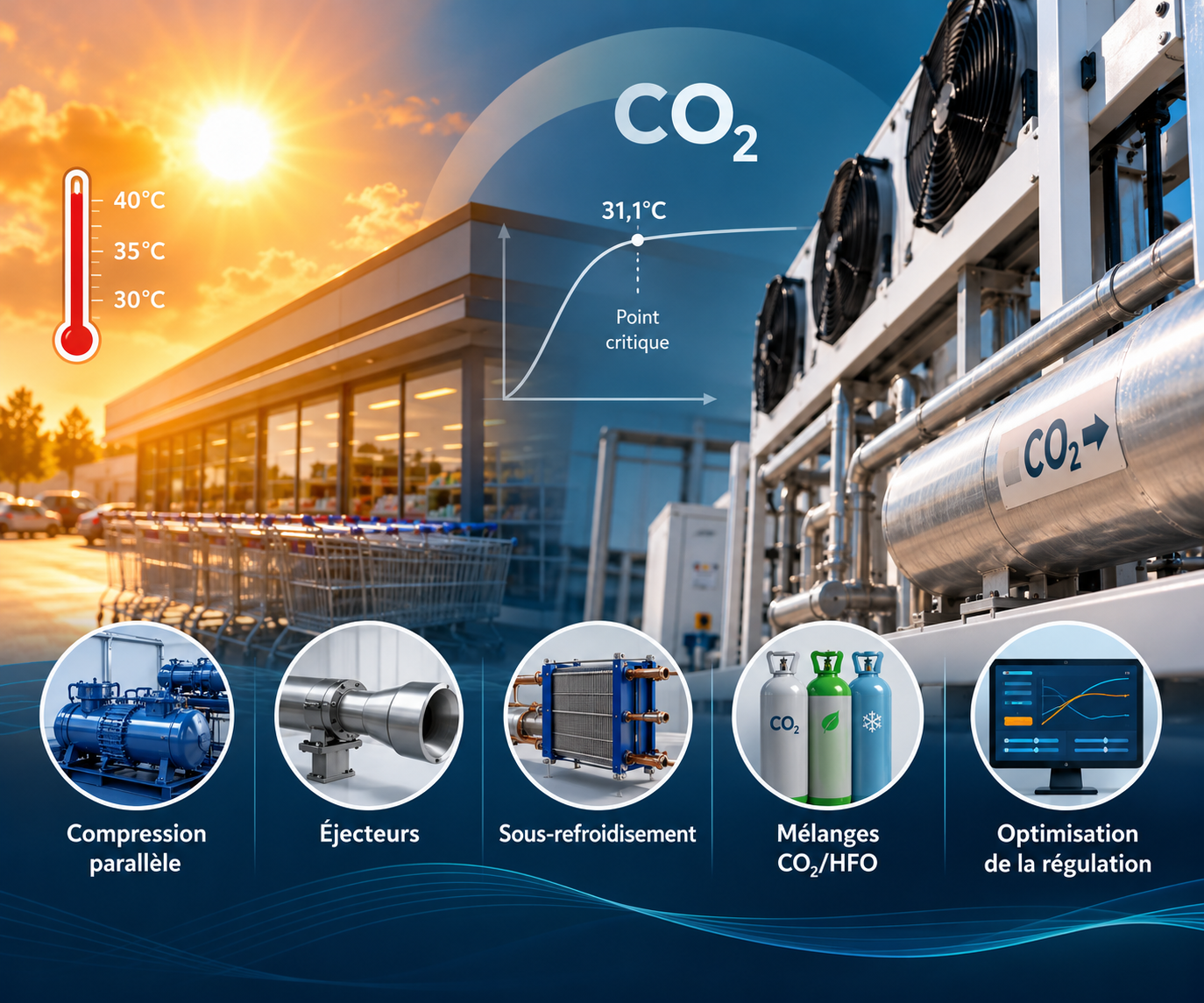
                    Avec une température critique de seulement 31,1 °C, le R744 impose des conditions de fonctionnement particulières en régime transcritique. Pressions élevées, pertes énergétiques à la détente et travail de compression constituent des défis techniques connus depuis longtemps. Les fortes chaleurs ne créent pas ces difficultés,&hellip;
                ]]>
            </summary>
        <content type="html">
            <![CDATA[
                    <p><img src="https://www.miccad.com/media/posts/173/ChatGPT-Image-26-oct.-2026-09_14_18-2.png" class="type:primaryImage" alt="" /></p>
                <p><span class="gvyl34 gvyayi gvyj2d gvyl4o" tabindex="-1" data-testid="expandable-text-box">Avec une température critique de seulement 31,1 °C, le R744 impose des conditions de fonctionnement particulières en régime transcritique.<br><br>Pressions élevées, pertes énergétiques à la détente et travail de compression constituent des défis techniques connus depuis longtemps.<br><br>Les fortes chaleurs ne créent pas ces difficultés, mais peuvent les accentuer en rendant le rejet de chaleur moins efficace.<br><br>𝗖'𝗲𝘀𝘁 𝗽𝗿𝗲́𝗰𝗶𝘀𝗲́𝗺𝗲𝗻𝘁 𝘀𝘂𝗿 𝗰𝗲𝘀 𝗰𝗼𝗻𝘁𝗿𝗮𝗶𝗻𝘁𝗲𝘀 𝗾𝘂𝗲 𝗹𝗲𝘀 𝗱𝗲́𝘃𝗲𝗹𝗼𝗽𝗽𝗲𝗺𝗲𝗻𝘁𝘀 𝘁𝗲𝗰𝗵𝗻𝗼𝗹𝗼𝗴𝗶𝗾𝘂𝗲𝘀 𝗰𝗼𝗻𝘁𝗶𝗻𝘂𝗲𝗻𝘁 𝗱𝗲 𝗽𝗿𝗼𝗴𝗿𝗲𝘀𝘀𝗲𝗿.<br><br>Compression parallèle, éjecteurs et sous-refroidissement permettent déjà d'améliorer les performances du cycle.<br><br>➡️ D'autres approches concernent directement la composition du frigorigène.<br><br>À Châteaurenard, QUERCY Réfrigération a réalisé le rétrofit d'une installation au R744 avec du R-485A, un mélange associant CO₂, HFO et HFC. L'entreprise rapporte une amélioration de la stabilité et de l'efficacité énergétique, avec un compromis environnemental : un PRG d'environ 142 contre 1 pour le R744.<br><br>𝗥𝗶𝘃𝗮𝗰𝗼𝗹𝗱 explore une autre voie avec 𝗔𝗗𝗔𝗣𝗧𝗜𝗫, en optimisant les conditions de haute pression et d'évaporation sans modifier le fluide.<br><br>𝗖𝗲𝘀 𝗮𝗽𝗽𝗿𝗼𝗰𝗵𝗲𝘀 𝗻𝗲 𝘀𝗼𝗻𝘁 𝗽𝗮𝘀 𝗶𝗻𝘁𝗲𝗿𝗰𝗵𝗮𝗻𝗴𝗲𝗮𝗯𝗹𝗲𝘀, 𝗺𝗮𝗶𝘀 𝗶𝗹𝗹𝘂𝘀𝘁𝗿𝗲𝗻𝘁 𝘂𝗻𝗲 𝗺𝗲̂𝗺𝗲 𝗱𝗲́𝗺𝗮𝗿𝗰𝗵𝗲 : 𝗱𝗲́𝗽𝗮𝘀𝘀𝗲𝗿 𝗽𝗿𝗼𝗴𝗿𝗲𝘀𝘀𝗶𝘃𝗲𝗺𝗲𝗻𝘁 𝗹𝗲𝘀 𝗹𝗶𝗺𝗶𝘁𝗮𝘁𝗶𝗼𝗻𝘀 𝘁𝗲𝗰𝗵𝗻𝗶𝗾𝘂𝗲𝘀 𝗽𝗼𝘂𝗿 𝗲́𝗹𝗮𝗿𝗴𝗶𝗿 𝗹𝗲𝘀 𝗽𝗼𝘀𝘀𝗶𝗯𝗶𝗹𝗶𝘁𝗲́𝘀 𝗱'𝘂𝘁𝗶𝗹𝗶𝘀𝗮𝘁𝗶𝗼𝗻 𝗱𝘂 𝗖𝗢₂.</span> </p>
            ]]>
        </content>
    </entry>
    <entry>
        <title>When Manufacturers Expand, Distributors May Need to Specialise</title>
        <author>
            <name>Michele CADONI</name>
        </author>
        <link href="https://www.miccad.com/when-manufacturers-expand-distributors/"/>
        <id>https://www.miccad.com/when-manufacturers-expand-distributors/</id>
        <media:content url="https://www.miccad.com/media/posts/172/Elargir-ou-se-specialiser-_-2.png" medium="image" />
            <category term="Industrial Markets"/>

        <updated>2026-10-29T17:16:00+01:00</updated>
            <summary type="html">
                <![CDATA[
                        <img src="https://www.miccad.com/media/posts/172/Elargir-ou-se-specialiser-_-2.png" alt="" />
                    As HVAC/R manufacturers broaden their technological portfolios, distributors face a less straightforward choice. Following this expansion may require additional investment in inventory, technical expertise, personnel and after-sales support. Yet, the commercial return from these investments is not always predictable. For some distributors, broader portfolios represent&hellip;
                ]]>
            </summary>
        <content type="html">
            <![CDATA[
                    <p><img src="https://www.miccad.com/media/posts/172/Elargir-ou-se-specialiser-_-2.png" class="type:primaryImage" alt="" /></p>
                <main class="sVQjRDHsUUjwBkLwDFwBuIciBdOrg">
<div data-scaffold-immersive-reader="">
<article data-view-name="publishing-view-article">
<div class="relative reader__grid">
<div data-scaffold-immersive-reader-content="">
<div>
<div class="reader-article-content reader-article-content--content-blocks" dir="ltr">
<div class="reader-content-blocks-container">
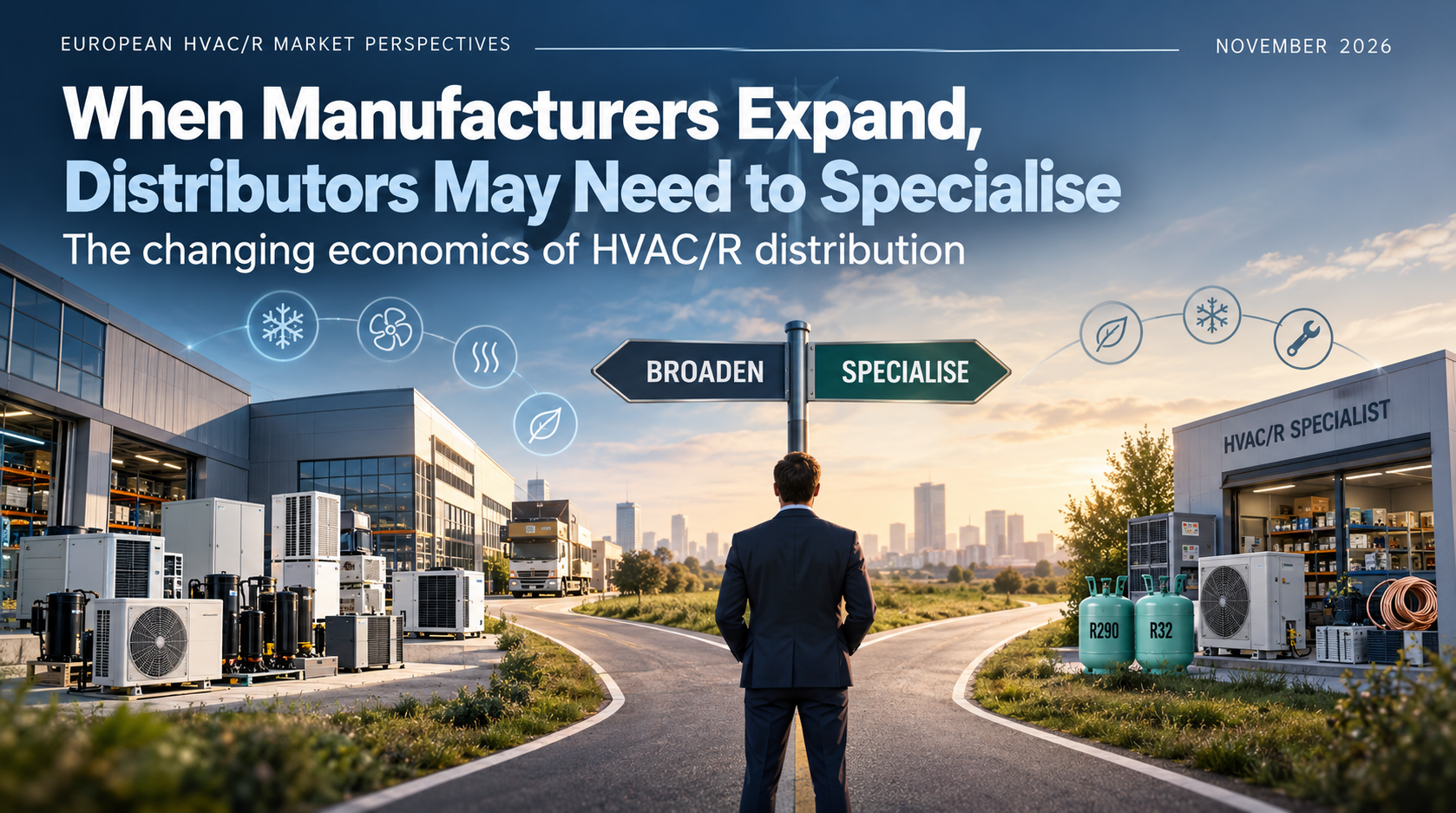
<p id="ember63" class="ember-view reader-text-block__paragraph">As HVAC/R manufacturers broaden their technological portfolios, distributors face a less straightforward choice.</p>
<p id="ember64" class="ember-view reader-text-block__paragraph">Following this expansion may require additional investment in inventory, technical expertise, personnel and after-sales support. Yet, the commercial return from these investments is not always predictable.</p>
<p id="ember65" class="ember-view reader-text-block__paragraph">For some distributors, broader portfolios represent an opportunity to strengthen their market position. For others, concentrating on selected technologies and applications may be economically preferable.</p>
<p id="ember66" class="ember-view reader-text-block__paragraph">This creates an apparent contradiction.</p>
<p id="ember67" class="ember-view reader-text-block__paragraph"><strong>While manufacturers may seek to expand their technological coverage, their distribution partners may increasingly need to concentrate their resources.</strong></p>
<p id="ember68" class="ember-view reader-text-block__paragraph">The consequences extend beyond individual commercial relationships. They may progressively influence how distribution networks are organised, how responsibilities are allocated and which business models remain sustainable.</p>
<h2 id="ember69" class="ember-view reader-text-block__heading-2">1. A market structure under pressure</h2>
<p id="ember70" class="ember-view reader-text-block__paragraph">The latest SNEFCCA/Xerfi survey offers a useful perspective on the French refrigeration, professional kitchen equipment and air-conditioning sector.</p>
<p id="ember71" class="ember-view reader-text-block__paragraph">Based on 2025 activity, the survey reports €6.87 billion in turnover, a decline of 1.5% compared with 2023.</p>
<p id="ember72" class="ember-view reader-text-block__paragraph">Installation remains the dominant activity, accounting for 62% of revenue. Contractual maintenance represents 14.5%, while breakdown services and after-sales support account for 22.5%.</p>
<p id="ember73" class="ember-view reader-text-block__paragraph">Over the same period, contractual maintenance revenue declined by 4%, while breakdown and after-sales activities fell by 8%.</p>
<p id="ember74" class="ember-view reader-text-block__paragraph">The industry's structure is equally significant. Of approximately 2,600 companies, 91.5% employ fewer than 20 people, although businesses with 20 or more employees generate 51.5% of total turnover.</p>
<p id="ember75" class="ember-view reader-text-block__paragraph">These figures concern installation and service companies rather than distributors directly. Nevertheless, they illustrate the fragmented economic environment within which HVAC/R technologies must be installed, maintained and supported.</p>
<p id="ember76" class="ember-view reader-text-block__paragraph">The survey does not demonstrate that technical competence is declining or that maintenance requirements are diminishing. It does, however, reveal an industry still heavily dependent on installation activity, with recurring service revenue facing pressure.</p>
<p id="ember77" class="ember-view reader-text-block__paragraph">This is particularly relevant when increasingly diversified technologies require continuing investment in technical capabilities throughout their operational lives.</p>
<h2 id="ember78" class="ember-view reader-text-block__heading-2">2. Manufacturer expansion meets distributor constraints</h2>
<p id="ember79" class="ember-view reader-text-block__paragraph">The transition towards lower-GWP refrigerants is changing equipment design, safety requirements and maintenance procedures.</p>
<p id="ember80" class="ember-view reader-text-block__paragraph">At the same time, some manufacturers are expanding beyond their traditional product families or technological specialisations to address a broader range of applications.</p>
<p id="ember81" class="ember-view reader-text-block__paragraph">Embraco offers one illustration. Historically associated with refrigeration compressors, the company announced in 2025 the expansion of its scroll-compressor portfolio into heating and air-conditioning applications, following the acquisition of Xecom by Nidec Global Appliance.</p>
<p id="ember82" class="ember-view reader-text-block__paragraph">Such developments can create additional commercial opportunities, but they also introduce new requirements for distribution channels.</p>
<p id="ember83" class="ember-view reader-text-block__paragraph">A distributor traditionally focused on commercial refrigeration may, for example, be invited to support products serving heat pumps or other thermal applications.</p>
<p id="ember84" class="ember-view reader-text-block__paragraph">Accepting these products involves more than adding catalogue references.</p>
<p id="ember85" class="ember-view reader-text-block__paragraph">It may require new customer relationships, dedicated stock, technical training, additional personnel and appropriate after-sales capabilities.</p>
<p id="ember86" class="ember-view reader-text-block__paragraph">The investment can be significant, while future sales volumes remain uncertain.</p>
<p id="ember87" class="ember-view reader-text-block__paragraph"><strong>The heat pump market illustrates this economic pressure.</strong></p>
<p id="ember88" class="ember-view reader-text-block__paragraph">Following a substantial European market contraction in 2024, sales recovered in 2025, although national developments remained uneven. France experienced a further moderate decline despite the broader European recovery.</p>
<p id="ember89" class="ember-view reader-text-block__paragraph">Such volatility can make decisions concerning inventory, staffing and technical investment more difficult to justify.</p>
<p id="ember90" class="ember-view reader-text-block__paragraph">For manufacturers, portfolio diversification can support growth and reduce dependence on individual technologies or applications.</p>
<p id="ember91" class="ember-view reader-text-block__paragraph">For distributors, however, a broader product range does not necessarily mean higher profitability.</p>
<p id="ember92" class="ember-view reader-text-block__paragraph">The manufacturer's interest in expanding market coverage and the distributor's interest in preserving economic sustainability may not always coincide.</p>
<h2 id="ember93" class="ember-view reader-text-block__heading-2">3. The economic choices reshaping distribution models</h2>
<p id="ember94" class="ember-view reader-text-block__paragraph">This divergence does not affect all distributors equally.</p>
<p id="ember95" class="ember-view reader-text-block__paragraph">Large, structured distribution groups may have greater capacity to centralise technical resources, finance specialised training and distribute investments across multiple branches or national markets.</p>
<p id="ember96" class="ember-view reader-text-block__paragraph">Smaller territorial distributors operate under different conditions. Their competitive advantages may include close installer relationships, local market knowledge, technical specialisation and operational flexibility.</p>
<p id="ember97" class="ember-view reader-text-block__paragraph">However, these strengths do not eliminate the financial constraints associated with expanding their activities.</p>
<p id="ember98" class="ember-view reader-text-block__paragraph">Consider a regional distributor with an established position in commercial refrigeration.</p>
<p id="ember99" class="ember-view reader-text-block__paragraph">Supporting an additional equipment category may require maintaining new inventory, training employees and developing relationships with installers operating in a different market segment.</p>
<p id="ember100" class="ember-view reader-text-block__paragraph">If demand proves insufficient, the additional turnover may not compensate for higher operating costs, slower stock rotation and the resources committed to supporting the new products.</p>
<p id="ember101" class="ember-view reader-text-block__paragraph">In such circumstances, declining to follow the manufacturer's portfolio expansion can be a rational business decision rather than a failure to adapt.</p>
<p id="ember102" class="ember-view reader-text-block__paragraph">Different strategic responses may therefore emerge.</p>
<p id="ember103" class="ember-view reader-text-block__paragraph">Some distributors will broaden their capabilities, using financial resources and organisational scale to support more technologies and applications.</p>
<p id="ember104" class="ember-view reader-text-block__paragraph">Others will concentrate on selected product families or market segments, developing specialist expertise and a more focused commercial position.</p>
<p id="ember105" class="ember-view reader-text-block__paragraph">Some may progressively reduce their involvement in activities where investment requirements, competitive pressure or insufficient margins make continued participation difficult to justify.</p>
<p id="ember106" class="ember-view reader-text-block__paragraph">These choices do not establish a hierarchy between distribution models.</p>
<p id="ember107" class="ember-view reader-text-block__paragraph">A specialised regional distributor may retain a stronger position within its chosen market than a larger organisation offering broader but less differentiated services.</p>
<p id="ember108" class="ember-view reader-text-block__paragraph">Equally, a generalist distributor may create value through logistics efficiency, purchasing power and product availability without developing extensive expertise in every application.</p>
<p id="ember109" class="ember-view reader-text-block__paragraph">The determining factor is the relationship between the capabilities required, the investments necessary to maintain them and the economic value generated.</p>
<p id="ember110" class="ember-view reader-text-block__paragraph"><strong>Technological diversification may therefore encourage not only broader distribution networks, but also greater specialisation and a more selective allocation of resources within them.</strong></p>
<h2 id="ember111" class="ember-view reader-text-block__heading-2">4. Refrigerant distributors face a parallel transformation</h2>
<p id="ember112" class="ember-view reader-text-block__paragraph">The changing structure of equipment distribution and maintenance also affects refrigerant suppliers.</p>
<p id="ember113" class="ember-view reader-text-block__paragraph">Their challenge is different, but the underlying economic issue is similar.</p>
<p id="ember114" class="ember-view reader-text-block__paragraph">As equipment technologies evolve, refrigerant demand may become more concentrated around dominant solutions in certain applications while remaining fragmented across other technologies and the existing installed base.</p>
<p id="ember115" class="ember-view reader-text-block__paragraph">Both developments have consequences.</p>
<p id="ember116" class="ember-view reader-text-block__paragraph">Greater concentration can improve purchasing efficiency and inventory turnover, but may also intensify price competition and strengthen the negotiating position of larger customers.</p>
<p id="ember117" class="ember-view reader-text-block__paragraph">Conversely, fragmented demand may require distributors to maintain a wider variety of products, often in smaller quantities, with additional stock-management, handling and logistics costs.</p>
<p id="ember118" class="ember-view reader-text-block__paragraph">Specialised demand can create opportunities for higher-value services, but these opportunities depend on whether the additional complexity can be reflected in commercial margins.</p>
<p id="ember119" class="ember-view reader-text-block__paragraph">The two situations may coexist, particularly during a prolonged technological transition in which new equipment and the existing installed base require different refrigerants.</p>
<p id="ember120" class="ember-view reader-text-block__paragraph">For refrigerant distributors, the challenge therefore extends beyond anticipating which fluids will gain or lose market share.</p>
<p id="ember121" class="ember-view reader-text-block__paragraph">It increasingly concerns the economic organisation of supply: balancing product availability, inventory exposure, customer requirements and the cost of maintaining a differentiated portfolio.</p>
<p id="ember122" class="ember-view reader-text-block__paragraph">Here again, technological diversification does not automatically create additional commercial value.</p>
<p id="ember123" class="ember-view reader-text-block__paragraph"><strong>Its consequences depend on how effectively the distributor can adapt its operating model.</strong></p>
<h2 id="ember124" class="ember-view reader-text-block__heading-2">5. Distribution architecture becomes a strategic economic decision</h2>
<p id="ember125" class="ember-view reader-text-block__paragraph">These developments have direct implications for manufacturers developing or restructuring their European distribution networks.</p>
<p id="ember126" class="ember-view reader-text-block__paragraph">Commercial coverage, established customer relationships and logistical efficiency remain essential selection criteria.</p>
<p id="ember127" class="ember-view reader-text-block__paragraph">However, they may no longer be sufficient to determine whether a distributor is an appropriate partner for every technology within a manufacturer's portfolio.</p>
<p id="ember128" class="ember-view reader-text-block__paragraph">A company entering France or Italy with several product families may find that its strongest partner for one application lacks the commercial incentives or technical resources required to develop another.</p>
<p id="ember129" class="ember-view reader-text-block__paragraph">This does not necessarily justify replacing that partner.</p>
<p id="ember130" class="ember-view reader-text-block__paragraph">It may instead require a more differentiated distribution architecture, combining complementary operators with distinct commercial and technical responsibilities.</p>
<p id="ember131" class="ember-view reader-text-block__paragraph">Larger distribution groups, local specialists and application-focused partners may fulfil different functions within the same market.</p>
<p id="ember132" class="ember-view reader-text-block__paragraph">The manufacturer must determine which capabilities are essential for each application, where they should be located and how the associated investments can be supported.</p>
<p id="ember133" class="ember-view reader-text-block__paragraph">This also raises the question of how value is shared.</p>
<p id="ember134" class="ember-view reader-text-block__paragraph">If a distributor is expected to invest in specialised personnel, technical support or inventory to facilitate a manufacturer's expansion, the commercial arrangements must offer a credible prospect of recovering those costs.</p>
<p id="ember135" class="ember-view reader-text-block__paragraph">Otherwise, extending the manufacturer's product range risks transferring additional responsibilities to distribution partners without creating a sustainable economic basis for fulfilling them.</p>
<p id="ember136" class="ember-view reader-text-block__paragraph">For distributors, the strategic decision is equally important. Greater technological coverage is not necessarily synonymous with stronger market positioning.</p>
<p id="ember137" class="ember-view reader-text-block__paragraph">In certain circumstances, specialisation, selective partnerships or a narrower portfolio may provide greater resilience than pursuing every available commercial opportunity.</p>
<h2 id="ember138" class="ember-view reader-text-block__heading-2">6. A broader perspective on specialisation</h2>
<p id="ember139" class="ember-view reader-text-block__paragraph">A useful parallel can be drawn from European banking.</p>
<p id="ember140" class="ember-view reader-text-block__paragraph">In Italy, the banking reforms of the early 1990s removed many of the restrictions that had previously separated different lending activities, introducing the possibility of universal banking.</p>
<p id="ember141" class="ember-view reader-text-block__paragraph">Banks gained the freedom to operate beyond their traditional areas of specialisation. Yet broader market access did not eliminate the economic importance of expertise, competitive positioning and the ability to manage different activities profitably.</p>
<p id="ember142" class="ember-view reader-text-block__paragraph">Universal banking and specialised business models could therefore coexist.</p>
<p id="ember143" class="ember-view reader-text-block__paragraph">HVAC/R distribution may experience a comparable development, although the forces driving the transition are different.</p>
<p id="ember144" class="ember-view reader-text-block__paragraph">As manufacturers broaden their technological portfolios, some distributors may successfully expand their activities, while others may find greater economic sustainability in concentrating on selected technologies, applications or customer segments.</p>
<p id="ember145" class="ember-view reader-text-block__paragraph"><strong>The ability to offer a broader product range does not necessarily make broader distribution the most effective business model.</strong></p>
<p id="ember146" class="ember-view reader-text-block__paragraph">The technological transition may therefore produce not a universally diversified distribution sector, but a more differentiated market in which scale, specialisation and complementary capabilities coexist.</p>
<p id="ember147" class="ember-view reader-text-block__paragraph">For manufacturers, the strategic challenge is to build distribution networks that reconcile technological ambitions with the economic realities of their partners.</p>
<p id="ember148" class="ember-view reader-text-block__paragraph">For distributors, it is to identify where their capabilities create sustainable value, rather than assuming that every opportunity for expansion should be pursued.</p>
<p id="ember149" class="ember-view reader-text-block__paragraph"><strong><em>Ultimately, the future structure of HVAC/R distribution may be determined as much by economic choices as by technological change.</em></strong></p>
<hr class="reader-divider-block__horizontal-rule">
<h3 id="ember150" class="ember-view reader-text-block__heading-3">References</h3>
<p id="ember151" class="ember-view reader-text-block__paragraph"></p>
<ul>
<li><a class="yhQMZZNdciVHOahWRMZJvbeHVCGNInFk" data-test-app-aware-link="" href="https://snefcca.com/l-info/generales/resultats-de-l-enquete-de-branche-2026.html" target="_self" tabindex="0">SNEFCCA / Xerfi, 2026 Industry Survey, based on 2025 data</a></li>
<li><a class="yhQMZZNdciVHOahWRMZJvbeHVCGNInFk" data-test-app-aware-link="" href="https://www.embraco.com/en/news-and-media/embraco-expands-its-scroll-compressors-portfolio-and-enters-the-hvac-market.html" target="_self" tabindex="0">Embraco, Expansion into HVAC applications, July 2025</a></li>
<li><a class="yhQMZZNdciVHOahWRMZJvbeHVCGNInFk" data-test-app-aware-link="" href="https://ehpa.org/market-data/" target="_self" tabindex="0">European Heat Pump Association, European market data</a></li>
<li><a class="yhQMZZNdciVHOahWRMZJvbeHVCGNInFk" data-test-app-aware-link="" href="https://ehpa.org/" target="_self" tabindex="0">European Heat Pump Association, Heat Pump Market Report 2026</a></li>
<li><a class="yhQMZZNdciVHOahWRMZJvbeHVCGNInFk" data-test-app-aware-link="" href="https://www.bancaditalia.it/chi-siamo/storia/europa/index.html" target="_self" tabindex="0">Banca d'Italia, History of European banking integration and universal banking</a></li>
</ul>
<p> </p>
</div>
</div>
</div>
</div>
</div>
</article>
</div>
</main>
<aside aria-label="Article reader aside content">
<div>
<div class="scaffold-layout__sticky-content">
<div class="reader-social-activity__right-rail reader-social-activity__series-header--visible">
<h3 class="text-heading-medium mb4"> </h3>
</div>
</div>
</div>
</aside>
<p> </p>
            ]]>
        </content>
    </entry>
    <entry>
        <title>𝗧𝘄𝗼 𝗱𝗶𝗳𝗳𝗲𝗿𝗲𝗻𝘁 𝗿𝗲𝗳𝗿𝗶𝗴𝗲𝗿𝗮𝘁𝗶𝗼𝗻 𝘁𝗲𝗰𝗵𝗻𝗼𝗹𝗼𝗴𝗶𝗲𝘀. 𝗧𝗵𝗲 𝘀𝗮𝗺𝗲 𝗳𝗶𝗿𝘀𝘁 𝗺𝗮𝗿𝗸𝗲𝘁.</title>
        <author>
            <name>Michele CADONI</name>
        </author>
        <link href="https://www.miccad.com/blog-post_27-3/"/>
        <id>https://www.miccad.com/blog-post_27-3/</id>
        <media:content url="https://www.miccad.com/media/posts/171/Deux-technologies-un-meme-marche-phare-2.png" medium="image" />
            <category term="Industrial Markets"/>

        <updated>2026-10-27T11:08:00+01:00</updated>
            <summary type="html">
                <![CDATA[
                        <img src="https://www.miccad.com/media/posts/171/Deux-technologies-un-meme-marche-phare-2.png" alt="" />
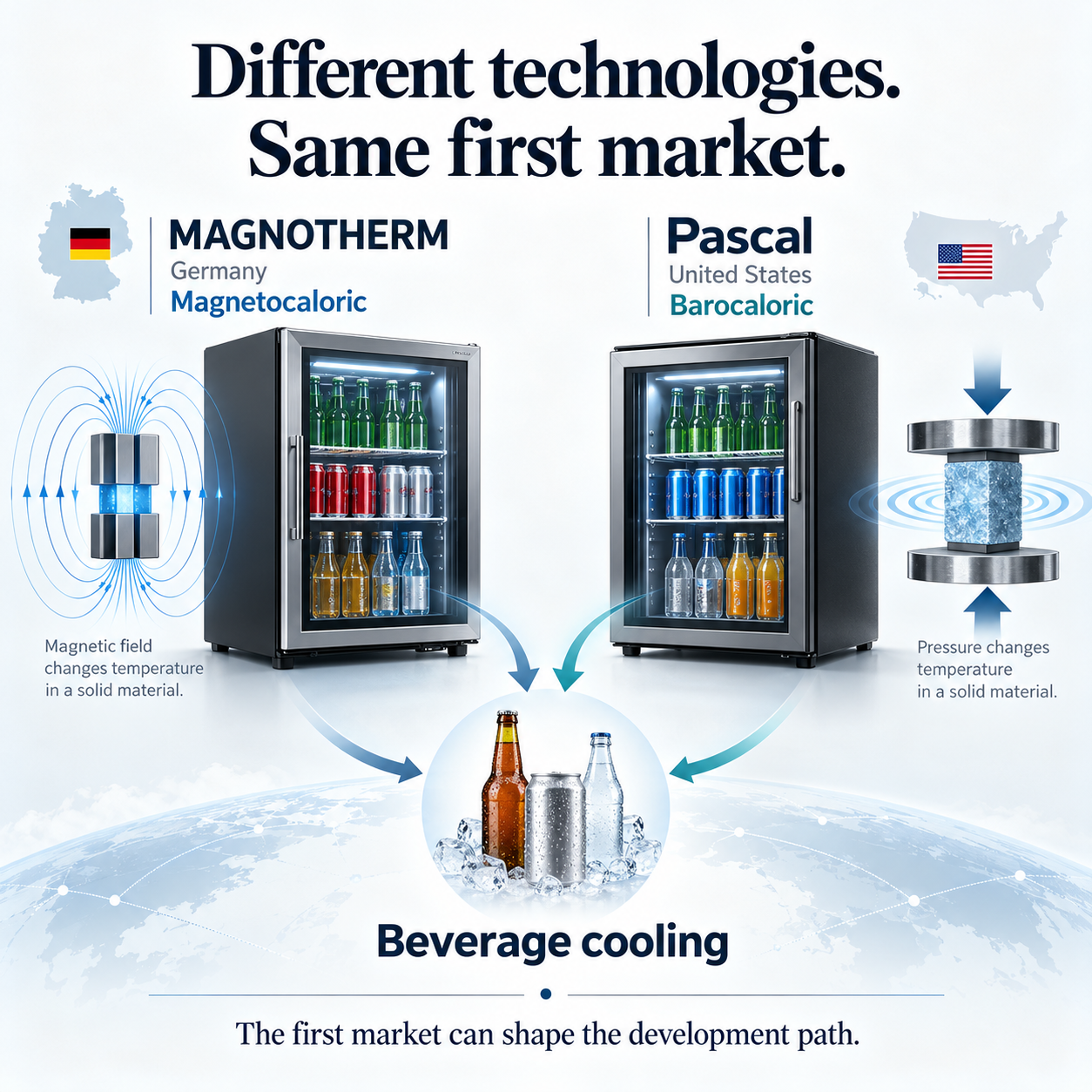
                    In Germany, MAGNOTHERM has developed magnetocaloric refrigeration, using magnetic fields to produce cooling. In the United States, Pascal is developing barocaloric refrigeration, based on pressure-induced changes in solid materials. Two different technological approaches, both offering alternatives to conventional gaseous refrigerants. ➡️ Yet both companies have&hellip;
                ]]>
            </summary>
        <content type="html">
            <![CDATA[
                    <p><img src="https://www.miccad.com/media/posts/171/Deux-technologies-un-meme-marche-phare-2.png" class="type:primaryImage" alt="" /></p>
                <p><span class="d7il28 d7iayi d7ij2d d7il6v" tabindex="-1" data-testid="expandable-text-box">In Germany, MAGNOTHERM has developed magnetocaloric refrigeration, using magnetic fields to produce cooling.<br><br>In the United States, Pascal is developing barocaloric refrigeration, based on pressure-induced changes in solid materials.<br><br>Two different technological approaches, both offering alternatives to conventional gaseous refrigerants.<br><br>➡️ Yet both companies have selected 𝗯𝗲𝘃𝗲𝗿𝗮𝗴𝗲 𝗰𝗼𝗼𝗹𝗶𝗻𝗴 as an initial commercial application.<br><br>MAGNOTHERM has already introduced its POLARIS beverage cooler. Pascal has recently secured additional financing and a multinational beverage manufacturer as its first commercial partner, with an initial deployment being prepared.<br><br>Interestingly, the two companies have also joined Exergyn in launching the 𝗦𝗼𝗹𝗶𝗱 𝗖𝗼𝗼𝗹𝗶𝗻𝗴 𝗖𝗼𝗮𝗹𝗶𝘁𝗶𝗼𝗻 at Chillventa 2026, aiming to establish common performance metrics and support the development of solid-state refrigeration technologies.<br><br>But their convergence on beverage cooling deserves particular attention.<br><br>𝗪𝗵𝘆 𝘁𝗵𝗶𝘀 𝘀𝗽𝗲𝗰𝗶𝗳𝗶𝗰 𝗺𝗮𝗿𝗸𝗲𝘁?<br><br>The explanation may lie in the combination of technical characteristics and commercial opportunities.<br><br>Compact, self-contained equipment provides a relatively manageable environment for validating performance, reliability and operating costs under real conditions.<br><br>Beverage manufacturers also operate extensive international equipment networks, potentially offering opportunities for broader deployment.<br><br>Beyond these industrial partnerships, the same product category could address HORECA, specialised distribution and, eventually, consumer-oriented retail channels.<br><br>Different customers, different purchasing priorities, different opportunities for technological differentiation.<br><br>For emerging technologies, this combination can be particularly valuable.<br><br>An initial market does not necessarily need to generate large sales volumes.<br><br>It can provide operating experience, customer feedback and early commercial validation, allowing manufacturers to refine their products while progressively developing new market opportunities.<br><br><strong>In this perspective, choosing the first application becomes part of the technology development strategy itself.</strong><br><br>MAGNOTHERM and Pascal are at different stages of commercial maturity, and the success of either approach remains to be demonstrated on a broader scale.<br><br>Nevertheless, their convergence illustrates an important strategic consideration.<br><br>𝗧𝗵𝗲 𝗺𝗼𝘀𝘁 𝘃𝗮𝗹𝘂𝗮𝗯𝗹𝗲 𝗳𝗶𝗿𝘀𝘁 𝗺𝗮𝗿𝗸𝗲𝘁 𝗶𝘀 𝗻𝗼𝘁 𝗻𝗲𝗰𝗲𝘀𝘀𝗮𝗿𝗶𝗹𝘆 𝘁𝗵𝗲 𝗹𝗮𝗿𝗴𝗲𝘀𝘁 𝗼𝗻𝗲. 𝗜𝘁 𝗶𝘀 𝘁𝗵𝗲 𝗼𝗻𝗲 𝘁𝗵𝗮𝘁 𝗼𝗳𝗳𝗲𝗿𝘀 𝘁𝗵𝗲 𝗿𝗶𝗴𝗵𝘁 𝗰𝗼𝗻𝗱𝗶𝘁𝗶𝗼𝗻𝘀 𝗳𝗼𝗿 𝘁𝗲𝗰𝗵𝗻𝗶𝗰𝗮𝗹 𝗱𝗲𝘃𝗲𝗹𝗼𝗽𝗺𝗲𝗻𝘁 𝗮𝗻𝗱 𝗰𝗼𝗺𝗺𝗲𝗿𝗰𝗶𝗮𝗹 𝘃𝗮𝗹𝗶𝗱𝗮𝘁𝗶𝗼𝗻 𝘁𝗼 𝗽𝗿𝗼𝗴𝗿𝗲𝘀𝘀 𝘁𝗼𝗴𝗲𝘁𝗵𝗲𝗿.<br><br>‼️Expansion is not acceleration. It is architecture.</span> </p>
            ]]>
        </content>
    </entry>
    <entry>
        <title>𝗥𝗲́𝗳𝗿𝗶𝗴𝗲́𝗿𝗮𝘁𝗶𝗼𝗻 : 𝗱𝗲𝘂𝘅 𝗲́𝘃𝗲́𝗻𝗲𝗺𝗲𝗻𝘁𝘀, 𝘂𝗻𝗲 𝗺𝗲̂𝗺𝗲 𝗾𝘂𝗲𝘀𝘁𝗶𝗼𝗻 𝘀𝘂𝗿 𝗹𝗮 𝗰𝗼𝘂𝘃𝗲𝗿𝘁𝘂𝗿𝗲 𝗱𝗲𝘀 𝗿𝗶𝘀𝗾𝘂𝗲𝘀.</title>
        <author>
            <name>Michele CADONI</name>
        </author>
        <link href="https://www.miccad.com/blog-post-9/"/>
        <id>https://www.miccad.com/blog-post-9/</id>
        <media:content url="https://www.miccad.com/media/posts/170/Assurance-et-risques-du-froid-en-Europe-2.png" medium="image" />
            <category term="Industrial Markets"/>

        <updated>2026-10-23T16:25:00+02:00</updated>
            <summary type="html">
                <![CDATA[
                        <img src="https://www.miccad.com/media/posts/170/Assurance-et-risques-du-froid-en-Europe-2.png" alt="" />
                    Deux événements très différents, survenus presque simultanément en France et en Allemagne, m'ont amené à m'interroger sur un aspect que je n'avais pas abordé dans mes deux récentes publications. ✔️ D'un côté, les cyberattaques contre les installations frigorifiques de plusieurs supermarchés français. ✔️ De l'autre, les procédures&hellip;
                ]]>
            </summary>
        <content type="html">
            <![CDATA[
                    <p><img src="https://www.miccad.com/media/posts/170/Assurance-et-risques-du-froid-en-Europe-2.png" class="type:primaryImage" alt="" /></p>
                <p><span class="l4jlk8 l4jaxz l4jjrc l4jln8" tabindex="-1" data-testid="expandable-text-box">Deux événements très différents, survenus presque simultanément en France et en Allemagne, m'ont amené à m'interroger sur un aspect que je n'avais pas abordé dans mes deux récentes publications.<br><br>✔️ D'un côté, les cyberattaques contre les installations frigorifiques de plusieurs supermarchés français.<br>✔️ De l'autre, les procédures engagées lors du salon Chillventa, concernant de possibles violations de brevets sur certains fluides frigorigènes.<br><br>𝗗𝗲𝘂𝘅 𝘀𝗶𝘁𝘂𝗮𝘁𝗶𝗼𝗻𝘀 𝘀𝗮𝗻𝘀 𝗹𝗶𝗲𝗻 𝗱𝗶𝗿𝗲𝗰𝘁, 𝗺𝗮𝗶𝘀 𝗾𝘂𝗶 𝘀𝗼𝘂𝗹𝗲̀𝘃𝗲𝗻𝘁 𝘂𝗻𝗲 𝗺𝗲̂𝗺𝗲 𝗾𝘂𝗲𝘀𝘁𝗶𝗼𝗻 : 𝗾𝘂𝗶 𝗮𝘀𝘀𝘂𝗺𝗲 𝗹𝗲𝘀 𝗰𝗼𝗻𝘀𝗲́𝗾𝘂𝗲𝗻𝗰𝗲𝘀 𝗳𝗶𝗻𝗮𝗻𝗰𝗶𝗲̀𝗿𝗲𝘀 𝗹𝗼𝗿𝘀𝗾𝘂𝗲 𝗹𝗲𝘀 𝗿𝗶𝘀𝗾𝘂𝗲𝘀 𝘀𝗲 𝗺𝗮𝘁𝗲́𝗿𝗶𝗮𝗹𝗶𝘀𝗲𝗻𝘁 ?<br><br>Un article de Reuters du 15 octobre apporte un éclairage sur le premier cas.<br><br>Selon les professionnels de l'assurance interrogés, les contrats de cyberassurance ne couvrent généralement pas les pertes matérielles, notamment les denrées alimentaires détruites à la suite d'une cyberattaque.<br><br>➡️ Un risque informatique peut donc provoquer des dommages physiques dont la couverture n'était pas nécessairement prévue.<br><br>➡️ Le second événement soulève une question différente.<br><br>À Chillventa, les procédures concernent des droits de propriété intellectuelle, indépendamment de la conformité technique ou environnementale des fluides concernés.<br><br>Pour un distributeur ou un utilisateur, l'existence de factures, de documents de traçabilité et de déclarations de conformité ne suffit pas nécessairement à écarter les conséquences d'un éventuel litige sur les brevets.<br><br>➡️ Cela ne signifie pas que ces conséquences seraient automatiquement exclues des assurances. <br><br>Leur éventuelle prise en charge dépend des responsabilités engagées, des contrats et des garanties applicables.<br><br>𝗖𝗲𝘀 𝗱𝗲𝘂𝘅 𝘀𝗶𝘁𝘂𝗮𝘁𝗶𝗼𝗻𝘀 𝗶𝗹𝗹𝘂𝘀𝘁𝗿𝗲𝗻𝘁 𝗳𝗶𝗻𝗮𝗹𝗲𝗺𝗲𝗻𝘁 𝘂𝗻𝗲 𝗺𝗲̂𝗺𝗲 𝗹𝗶𝗺𝗶𝘁𝗲 𝗱𝗮𝗻𝘀 𝗹'𝗲́𝘃𝗮𝗹𝘂𝗮𝘁𝗶𝗼𝗻 𝗱𝗲𝘀 𝗿𝗶𝘀𝗾𝘂𝗲𝘀.<br><br>Une entreprise peut avoir investi dans sa sécurité informatique, vérifié ses fournisseurs, respecté ses obligations réglementaires et souscrit différentes assurances.<br><br>Pour autant, ces précautions ne garantissent pas que toutes les conséquences financières d'un incident ou d'un litige aient été anticipées.<br><br>𝗘𝗻𝘁𝗿𝗲 𝗹𝗲𝘀 𝗿𝗶𝘀𝗾𝘂𝗲𝘀 𝗶𝗱𝗲𝗻𝘁𝗶𝗳𝗶𝗲́𝘀, 𝗹𝗲𝘀 𝗽𝗿𝗼𝘁𝗲𝗰𝘁𝗶𝗼𝗻𝘀 𝗺𝗶𝘀𝗲𝘀 𝗲𝗻 𝗽𝗹𝗮𝗰𝗲 𝗲𝘁 𝗹𝗲𝘀 𝗰𝗼𝗻𝘀𝗲́𝗾𝘂𝗲𝗻𝗰𝗲𝘀 𝗿𝗲́𝗲𝗹𝗹𝗲𝗺𝗲𝗻𝘁 𝗰𝗼𝘂𝘃𝗲𝗿𝘁𝗲𝘀, 𝗶𝗹 𝗽𝗲𝘂𝘁 𝘀𝘂𝗯𝘀𝗶𝘀𝘁𝗲𝗿 𝘂𝗻 𝗲́𝗰𝗮𝗿𝘁 𝗱𝗼𝗻𝘁 𝗹'𝗲𝗻𝘁𝗿𝗲𝗽𝗿𝗶𝘀𝗲 𝗻𝗲 𝗽𝗿𝗲𝗻𝗱 𝗽𝗹𝗲𝗶𝗻𝗲𝗺𝗲𝗻𝘁 𝗰𝗼𝗻𝘀𝗰𝗶𝗲𝗻𝗰𝗲 𝗾𝘂𝗲 𝗹𝗼𝗿𝘀𝗾𝘂𝗲 𝗹𝗲 𝗽𝗿𝗼𝗯𝗹𝗲̀𝗺𝗲 𝘀𝘂𝗿𝘃𝗶𝗲𝗻𝘁.</span></p>
<p> </p>
            ]]>
        </content>
    </entry>
    <entry>
        <title>𝗣𝗿𝗶𝗱𝗲, 𝘄𝗶𝘁𝗵 𝗹𝗶𝗺𝗶𝘁𝘀.</title>
        <author>
            <name>Michele CADONI</name>
        </author>
        <link href="https://www.miccad.com/blog-post_22-3/"/>
        <id>https://www.miccad.com/blog-post_22-3/</id>
        <media:content url="https://www.miccad.com/media/posts/169/Innovation-ouverte-technologie-sous-controle-2.png" medium="image" />
            <category term="Industrial Markets"/>

        <updated>2026-10-22T16:28:00+02:00</updated>
            <summary type="html">
                <![CDATA[
                        <img src="https://www.miccad.com/media/posts/169/Innovation-ouverte-technologie-sous-controle-2.png" alt="" />
                    Throughout 2026, China has made its technological progress increasingly visible. It began with the extraordinary humanoid robot performances during the Chinese Lunar New Year celebrations in February. Then came the World Humanoid Robot Games in August, with 100-metre sprint records, alongside numerous demonstrations of progress&hellip;
                ]]>
            </summary>
        <content type="html">
            <![CDATA[
                    <p><img src="https://www.miccad.com/media/posts/169/Innovation-ouverte-technologie-sous-controle-2.png" class="type:primaryImage" alt="" /></p>
                <p><span class="l4jlk8 l4jaxz l4jjrc l4jln8" tabindex="-1" data-testid="expandable-text-box">Throughout 2026, China has made its technological progress increasingly visible.<br> </span></p>
<p><span class="l4jlk8 l4jaxz l4jjrc l4jln8" tabindex="-1" data-testid="expandable-text-box">It began with the extraordinary humanoid robot performances during the Chinese Lunar New Year celebrations in February.<br><br>Then came the World Humanoid Robot Games in August, with 100-metre sprint records, alongside numerous demonstrations of progress in artificial intelligence and advanced manufacturing.<br><br>A clear message of technological confidence, challenging the long-standing perception of China as a country that copies technology rather than creates it.<br><br>➡️ But on 16 October, another dimension of China's industrial strategy became visible.<br><br>The Ministry of Commerce proposed new export controls covering 40 advanced technologies, including 12 in photovoltaics and 23 in artificial intelligence.<br><br>Among them are manufacturing processes for perovskite and tandem solar cells, technologies attracting significant research and industrial development efforts for the next generation of photovoltaics.<br><br>➡️ The decision is interesting.<br><br>𝗗𝗲𝗺𝗼𝗻𝘀𝘁𝗿𝗮𝘁𝗶𝗻𝗴 𝘁𝗲𝗰𝗵𝗻𝗼𝗹𝗼𝗴𝗶𝗰𝗮𝗹 𝗹𝗲𝗮𝗱𝗲𝗿𝘀𝗵𝗶𝗽 𝗶𝗻𝘁𝗲𝗿𝗻𝗮𝘁𝗶𝗼𝗻𝗮𝗹𝗹𝘆 𝗱𝗼𝗲𝘀 𝗻𝗼𝘁 𝗻𝗲𝗰𝗲𝘀𝘀𝗮𝗿𝗶𝗹𝘆 𝗺𝗲𝗮𝗻 𝘀𝗵𝗮𝗿𝗶𝗻𝗴 𝘁𝗵𝗲 𝗶𝗻𝗱𝘂𝘀𝘁𝗿𝗶𝗮𝗹 𝗸𝗻𝗼𝘄𝗹𝗲𝗱𝗴𝗲 𝗿𝗲𝗾𝘂𝗶𝗿𝗲𝗱 𝘁𝗼 𝗿𝗲𝗽𝗿𝗼𝗱𝘂𝗰𝗲 𝗶𝘁.<br><br>China has already used technology-export controls in the past. What deserves attention today is the proposed extension of these protections to some of the most advanced photovoltaic manufacturing processes.<br><br>China is not proposing to restrict international access to finished solar modules. It is considering restrictions on selected technologies required to manufacture the next generation of them.<br><br>For China, the underlying logic is familiar in industrial competition: the value of a technological breakthrough lies not only in commercialising it, but also in preserving the advantage it creates.<br><br>𝗔𝗳𝘁𝗲𝗿 𝘆𝗲𝗮𝗿𝘀 𝗼𝗳 𝗰𝗵𝗮𝗹𝗹𝗲𝗻𝗴𝗶𝗻𝗴 𝗶𝘁𝘀 𝗿𝗲𝗽𝘂𝘁𝗮𝘁𝗶𝗼𝗻 𝗮𝘀 𝗮 𝘁𝗲𝗰𝗵𝗻𝗼𝗹𝗼𝗴𝘆 𝗶𝗺𝗶𝘁𝗮𝘁𝗼𝗿, 𝗖𝗵𝗶𝗻𝗮 𝗶𝘀 𝗶𝗻𝗰𝗿𝗲𝗮𝘀𝗶𝗻𝗴𝗹𝘆 𝗰𝗼𝗻𝘀𝗶𝗱𝗲𝗿𝗶𝗻𝗴 𝗵𝗼𝘄 𝘁𝗼 𝗽𝗿𝗼𝘁𝗲𝗰𝘁 𝘁𝗵𝗲 𝗶𝗻𝗱𝘂𝘀𝘁𝗿𝗶𝗮𝗹 𝗸𝗻𝗼𝘄𝗹𝗲𝗱𝗴𝗲 𝗯𝗲𝗵𝗶𝗻𝗱 𝗶𝘁𝘀 𝗼𝘄𝗻 𝗶𝗻𝗻𝗼𝘃𝗮𝘁𝗶𝗼𝗻𝘀.<br><br>➡️ The consultation closes on 15 November.<br><br>Its outcome will help clarify how China intends to balance international technological expansion with the protection of its most advanced manufacturing capabilities.</span> </p>
            ]]>
        </content>
    </entry>
    <entry>
        <title>𝗟𝗚 𝗘𝗹𝗲𝗰𝘁𝗿𝗼𝗻𝗶𝗰𝘀 𝗿𝗲𝗰𝗲𝗻𝘁𝗹𝘆 𝘀𝗶𝗴𝗻𝗲𝗱 𝗮𝗻 𝗮𝗴𝗿𝗲𝗲𝗺𝗲𝗻𝘁 𝘄𝗶𝘁𝗵 𝗦𝗞 𝗘𝗻𝗺𝗼𝘃𝗲</title>
        <author>
            <name>Michele CADONI</name>
        </author>
        <link href="https://www.miccad.com/blog-post_20-2/"/>
        <id>https://www.miccad.com/blog-post_20-2/</id>
        <media:content url="https://www.miccad.com/media/posts/168/Convergence-des-technologies-refrigerantes-2.png" medium="image" />
            <category term="Industrial Markets"/>

        <updated>2026-10-20T16:30:00+02:00</updated>
            <summary type="html">
                <![CDATA[
                        <img src="https://www.miccad.com/media/posts/168/Convergence-des-technologies-refrigerantes-2.png" alt="" />
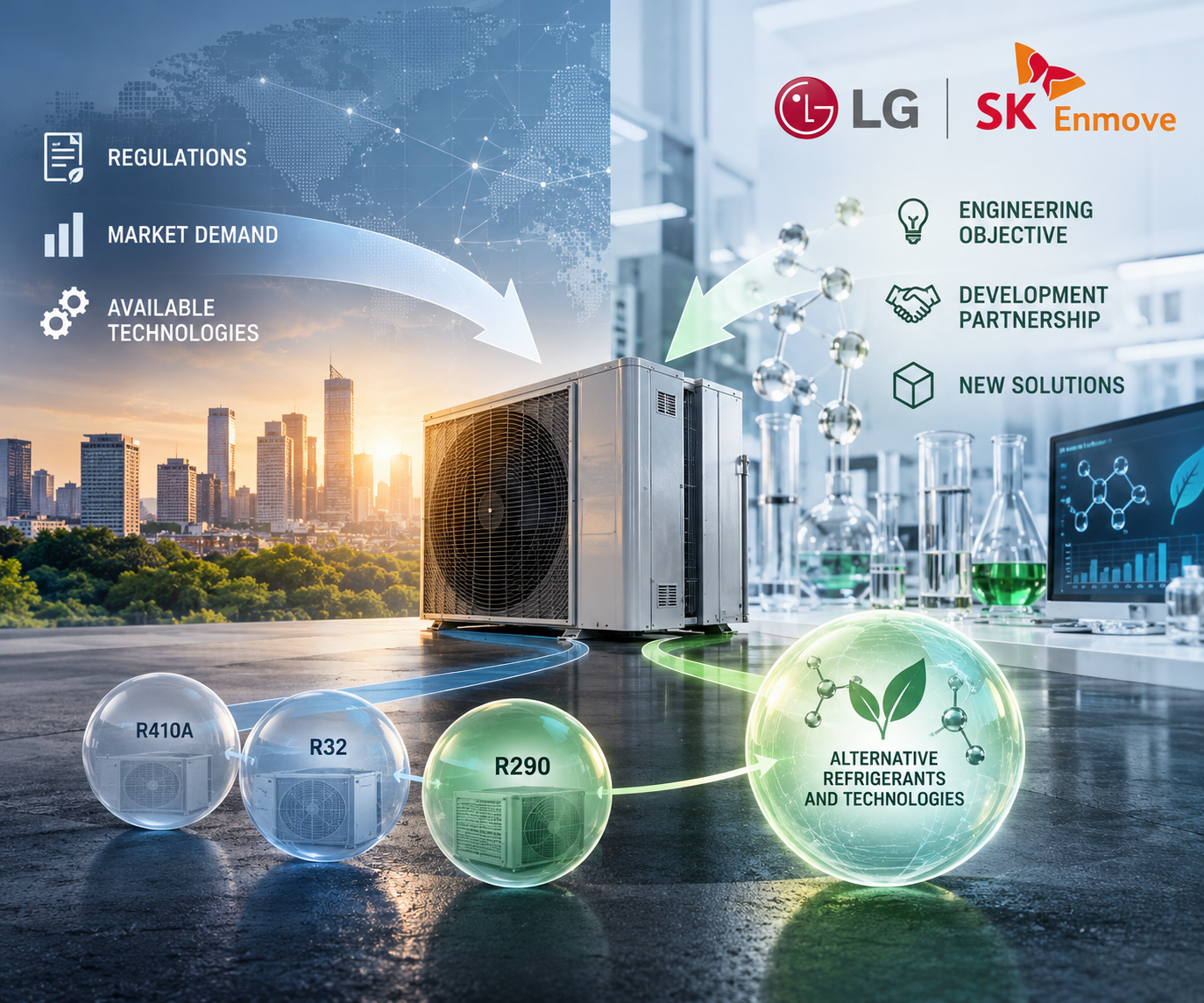
                    to jointly develop new refrigerants, refrigeration lubricants and cooling technologies. LG is not simply selecting an existing refrigerant and designing equipment around it. It is participating directly in developing the fluids and technologies that could shape its future products. Over the years, from R410A to&hellip;
                ]]>
            </summary>
        <content type="html">
            <![CDATA[
                    <p><img src="https://www.miccad.com/media/posts/168/Convergence-des-technologies-refrigerantes-2.png" class="type:primaryImage" alt="" /></p>
                <p><span class="l4jlk8 l4jaxz l4jjrc l4jln8" tabindex="-1" data-testid="expandable-text-box">to jointly develop new refrigerants, refrigeration lubricants and cooling technologies.<br><br>LG is not simply selecting an existing refrigerant and designing equipment around it. It is participating directly in developing the fluids and technologies that could shape its future products.<br><br>Over the years, from R410A to R32 and more recently R290, regulatory requirements, available technologies and market demand have strongly influenced manufacturers' product development decisions.<br><br>➡️ But technological evolution does not necessarily follow only this direction.<br><br>It can also begin with an engineering objective, bringing together equipment manufacturers and specialised partners to develop a solution that may subsequently find its place in the market.<br><br>Rather than adapting exclusively to an established technological framework, a manufacturer can participate in developing alternatives around its own system requirements.<br><br>➡️ This does not guarantee market adoption or a competitive advantage.<br><br>But it changes the manufacturer's position in the development process, from selecting among available solutions to helping define what may become available.<br><br>➡️ For industrial manufacturers, the decision is not simply which technology to adopt.<br><br>It is whether their competitive advantage will come from developing better products within an established technological framework, or from investing in technologies that could create new market opportunities.<br><br>‼️Expansion is not acceleration. It is architecture.</span> </p>
            ]]>
        </content>
    </entry>
    <entry>
        <title>𝗜𝗹𝗹𝗲𝗴𝗮𝗹 𝗿𝗲𝗳𝗿𝗶𝗴𝗲𝗿𝗮𝗻𝘁 𝗽𝗿𝗼𝗱𝘂𝗰𝘁𝗶𝗼𝗻 𝗱𝗼𝗲𝘀 𝗻𝗼𝘁 𝗻𝗲𝗰𝗲𝘀𝘀𝗮𝗿𝗶𝗹𝘆 𝗺𝗲𝗮𝗻 𝗮𝗻 𝗶𝗹𝗹𝗲𝗴𝗮𝗹𝗹𝘆 𝗶𝗺𝗽𝗼𝗿𝘁𝗲𝗱 𝗿𝗲𝗳𝗿𝗶𝗴𝗲𝗿𝗮𝗻𝘁.</title>
        <author>
            <name>Michele CADONI</name>
        </author>
        <link href="https://www.miccad.com/blog-post_18-3/"/>
        <id>https://www.miccad.com/blog-post_18-3/</id>
        <media:content url="https://www.miccad.com/media/posts/167/Deux-voies-des-refrigerants-en-Europe-2.png" medium="image" />
            <category term="Industrial Markets"/>

        <updated>2026-10-18T16:31:00+02:00</updated>
            <summary type="html">
                <![CDATA[
                        <img src="https://www.miccad.com/media/posts/167/Deux-voies-des-refrigerants-en-Europe-2.png" alt="" />
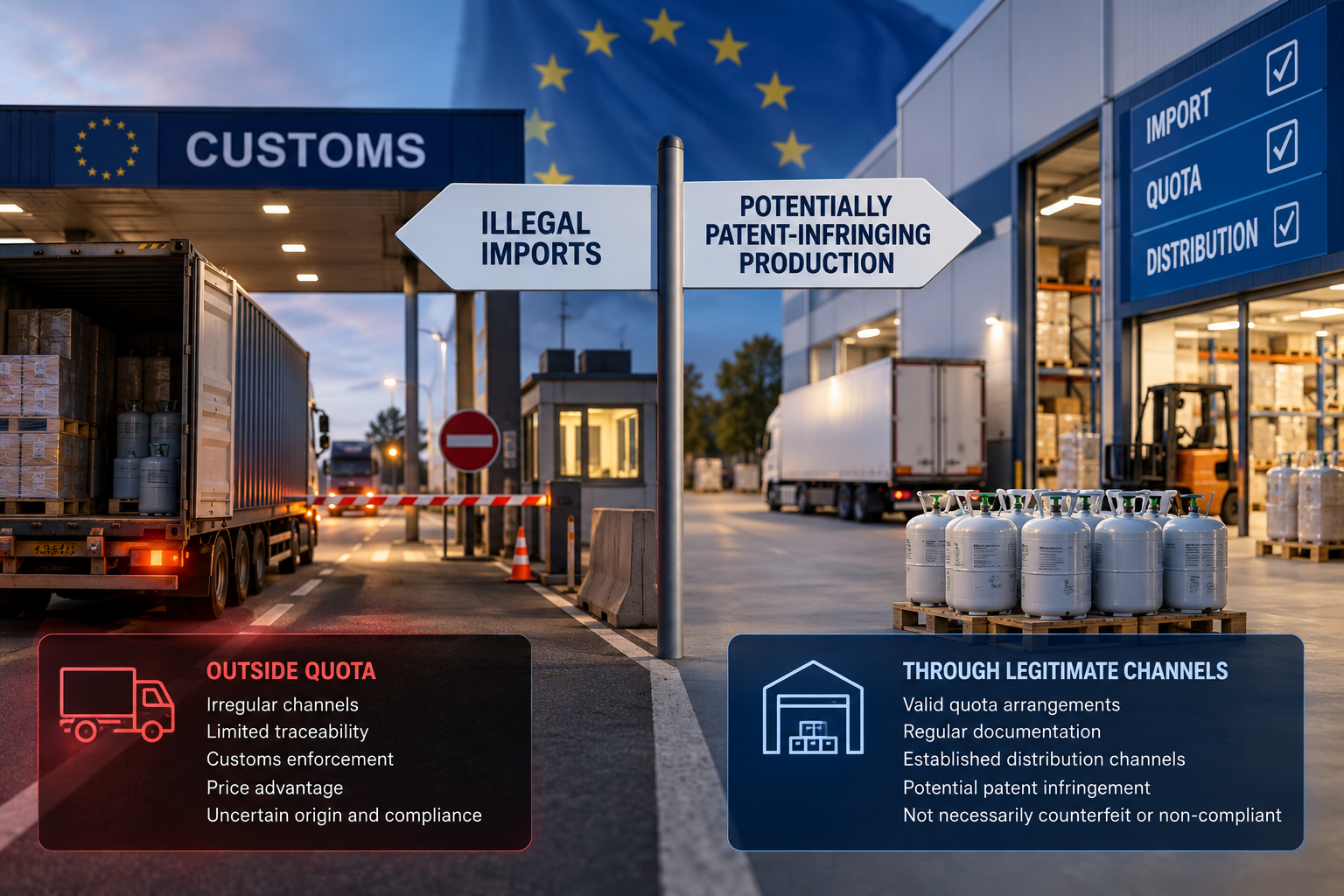
                    Two different forms of illegality coexist in the European refrigerant market. ➡️ The first is familiar. ✔️ Refrigerants enter the EU outside the authorised F-Gas quota system, often through channels with limited traceability. Customs authorities are on the front line. Lower prices create a competitive&hellip;
                ]]>
            </summary>
        <content type="html">
            <![CDATA[
                    <p><img src="https://www.miccad.com/media/posts/167/Deux-voies-des-refrigerants-en-Europe-2.png" class="type:primaryImage" alt="" /></p>
                <p><span class="l4jlk8 l4jaxz l4jjrc l4jln8" tabindex="-1" data-testid="expandable-text-box">Two different forms of illegality coexist in the European refrigerant market.<br><br>➡️ The first is familiar.<br><br>✔️ Refrigerants enter the EU outside the authorised F-Gas quota system, often through channels with limited traceability.<br><br>Customs authorities are on the front line. Lower prices create a competitive advantage, while the origin and compliance of these products may remain uncertain.<br><br>➡️ The second is less visible, but equally significant.<br><br>✔️ Refrigerants can enter the EU under valid quota arrangements, with regular documentation, and be openly offered through established distribution channels.<br><br>Yet, their production or commercialisation may still infringe patent rights.<br><br>Unlike unauthorised imports, these products are not necessarily counterfeit or technically non-compliant. The issue concerns intellectual property rights and the legal security of their commercialisation.<br><br>The recent preliminary injunctions obtained by Solstice Advanced Materials against five exhibitors at Chillventa illustrate how patent enforcement can reach established commercial channels.<br><br>➡️ This distinction matters.<br><br>Customs controls address unauthorised market entry. Patent enforcement addresses rights that regulatory import compliance does not necessarily cover.<br><br>➡️ 𝗔 𝗿𝗲𝗳𝗿𝗶𝗴𝗲𝗿𝗮𝗻𝘁 𝗰𝗮𝗻 𝗰𝗿𝗼𝘀𝘀 𝘁𝗵𝗲 𝗘𝘂𝗿𝗼𝗽𝗲𝗮𝗻 𝗯𝗼𝗿𝗱𝗲𝗿 𝗹𝗲𝗴𝗮𝗹𝗹𝘆 𝘄𝗶𝘁𝗵𝗼𝘂𝘁 𝗶𝘁𝘀 𝗽𝗿𝗼𝗱𝘂𝗰𝘁𝗶𝗼𝗻 𝗼𝗿 𝗰𝗼𝗺𝗺𝗲𝗿𝗰𝗶𝗮𝗹𝗶𝘀𝗮𝘁𝗶𝗼𝗻 𝗻𝗲𝗰𝗲𝘀𝘀𝗮𝗿𝗶𝗹𝘆 𝗯𝗲𝗶𝗻𝗴 𝗹𝗮𝘄𝗳𝘂𝗹.<br><br>Market visibility and regulatory compliance alone cannot guarantee the legal security of a supply chain.<br><br>Source: Cooling Post, 17 October 2026<br><span class="l4jgb5 l4jln8"><a aria-label="Open https://lnkd.in/eRQkdy-q" class="l4jhc3 l4jlt1" href="https://www.linkedin.com/safety/go/?url=https%3A%2F%2Flnkd%2Ein%2FeRQkdy-q&amp;urlhash=laKE&amp;mt=xAawkRkDm-Jqf2D2tRTEZMYU9HyXGylUk3JFvcLL4su-RXwbOoafEo2zaivTEcgA8I6r0mRy4s5UF3pFFSc4e64XcWUxURrnCG24RdIXnuf0oSl9tCUCpHDGmg&amp;isSdui=true" target="_blank" rel="noopener"><strong>https://lnkd.in/eRQkdy-q</strong></a></span></span> </p>
            ]]>
        </content>
    </entry>
</feed>