𝗜𝗻 𝗔𝗦𝗘𝗔𝗡, 𝗲𝗹𝗲𝗰𝘁𝗿𝗶𝗰𝗶𝘁𝘆 𝘂𝘀𝗲 𝗳𝗼𝗿 𝘀𝗽𝗮𝗰𝗲 𝗰𝗼𝗼𝗹𝗶𝗻𝗴 𝗶𝗻 𝗯𝘂𝗶𝗹𝗱𝗶𝗻𝗴𝘀 𝗿𝗲𝗮𝗰𝗵𝗲𝗱 𝗮𝗿𝗼𝘂𝗻𝗱 𝟴𝟬 𝗧𝗪𝗵 𝗶𝗻 𝟮𝟬𝟮𝟬.
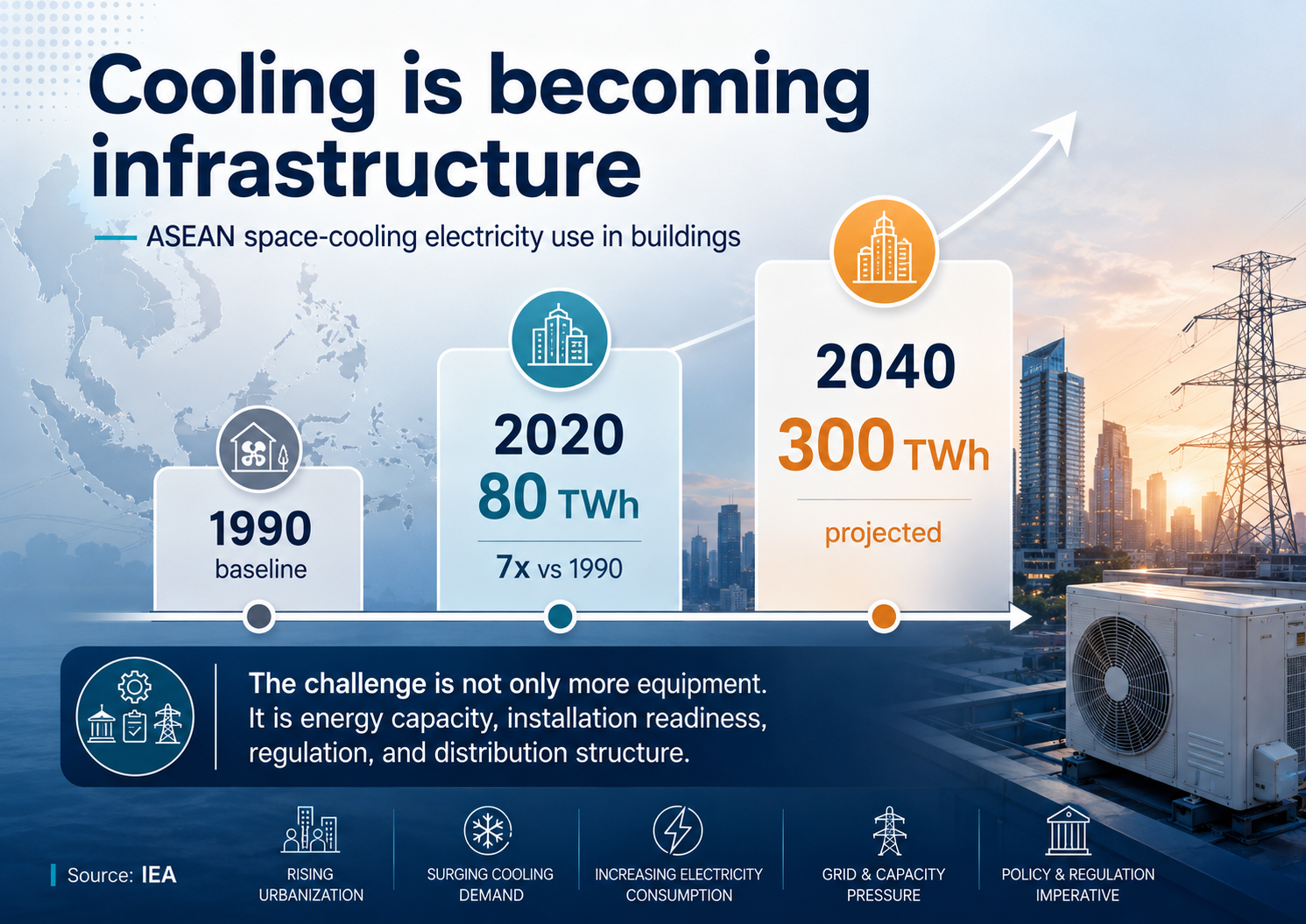
That is 𝘀𝗲𝘃𝗲𝗻 𝘁𝗶𝗺𝗲𝘀 the level of 𝟭𝟵𝟵𝟬.
𝗕𝘆 𝟮𝟬𝟰𝟬, it could reach 𝟯𝟬𝟬 𝗧𝗪𝗵.
Behind these figures, there is a larger market signal.
Air conditioning is becoming essential infrastructure in many hot and humid regions, not only a comfort product.
Cooling demand is rising because homes, workplaces, hospitals, logistics, industry, and data centres increasingly depend on controlled temperature.
But demand growth is only one part of the issue.
✔️ More cooling means more pressure on electricity systems.
✔️ More equipment means more pressure on installation and maintenance capacity.
✔️ More regulation means more pressure on manufacturers, distributors, and technical operators to adapt.
Asia makes this tension visible at scale.
Not because every region will follow the same trajectory.
But because it shows what happens when climate, urbanization, industrial activity, energy constraints, and technical adoption move together.
This is where the issue becomes relevant for Southern Europe.
Cooling demand should not be read only as a product category with growth potential.
It should be read as a market-structure question.
✔️ Can the energy system absorb the demand?
✔️ Can the distribution chain support the technology?
✔️ Can installers and service partners maintain performance over time?
✔️ Can regulation, refrigerants, and efficiency requirements be translated into practical market adoption?
For manufacturers, distributors, and technical operators, this changes how growth should be evaluated.
A market can be attractive and still not be structurally ready.
‼️Expansion is not acceleration. It is architecture.
You should also read:
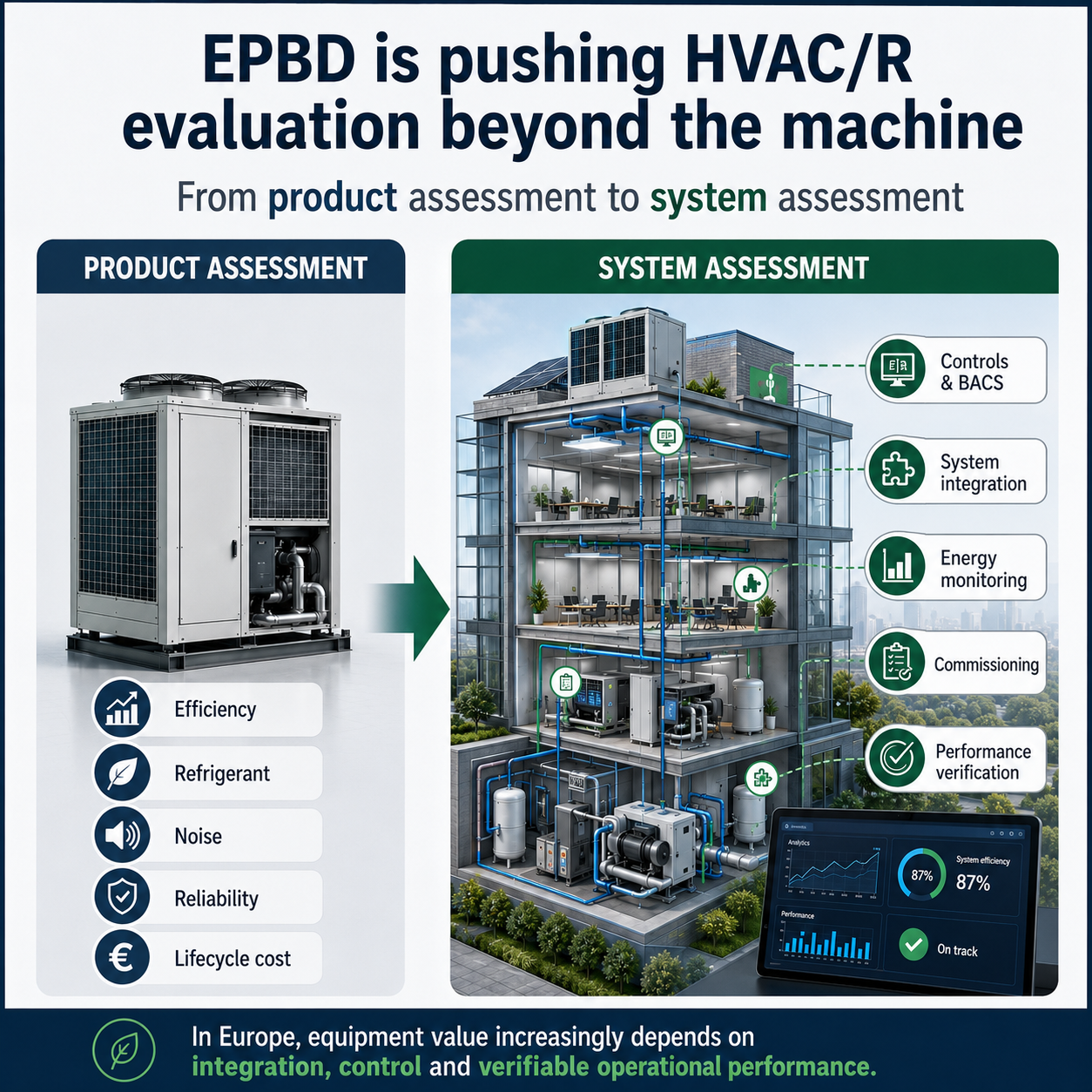
𝗔 𝗵𝗶𝗴𝗵-𝗲𝗳𝗳𝗶𝗰𝗶𝗲𝗻𝗰𝘆 𝗛𝗩𝗔𝗖/𝗥 𝗽𝗿𝗼𝗱𝘂𝗰𝘁 𝗰𝗮𝗻 𝘀𝘁𝗶𝗹𝗹 𝗯𝗲𝗰𝗼𝗺𝗲 𝗮 𝗹𝗼𝘄-𝗽𝗲𝗿𝗳𝗼𝗿𝗺𝗶𝗻𝗴 𝗯𝘂𝗶𝗹𝗱𝗶𝗻𝗴 𝗮𝘀𝘀𝗲𝘁.
This is one of the technical implications of the European building-performance framework. A heat pump, chiller or ventilation unit may offer: ▪️ high nominal efficiency ▪️ an appropriate refrigerant ▪️ low noise levels ▪️ reliable components ▪️ competitive lifecycle costs But none of these characteristics…
Continue reading...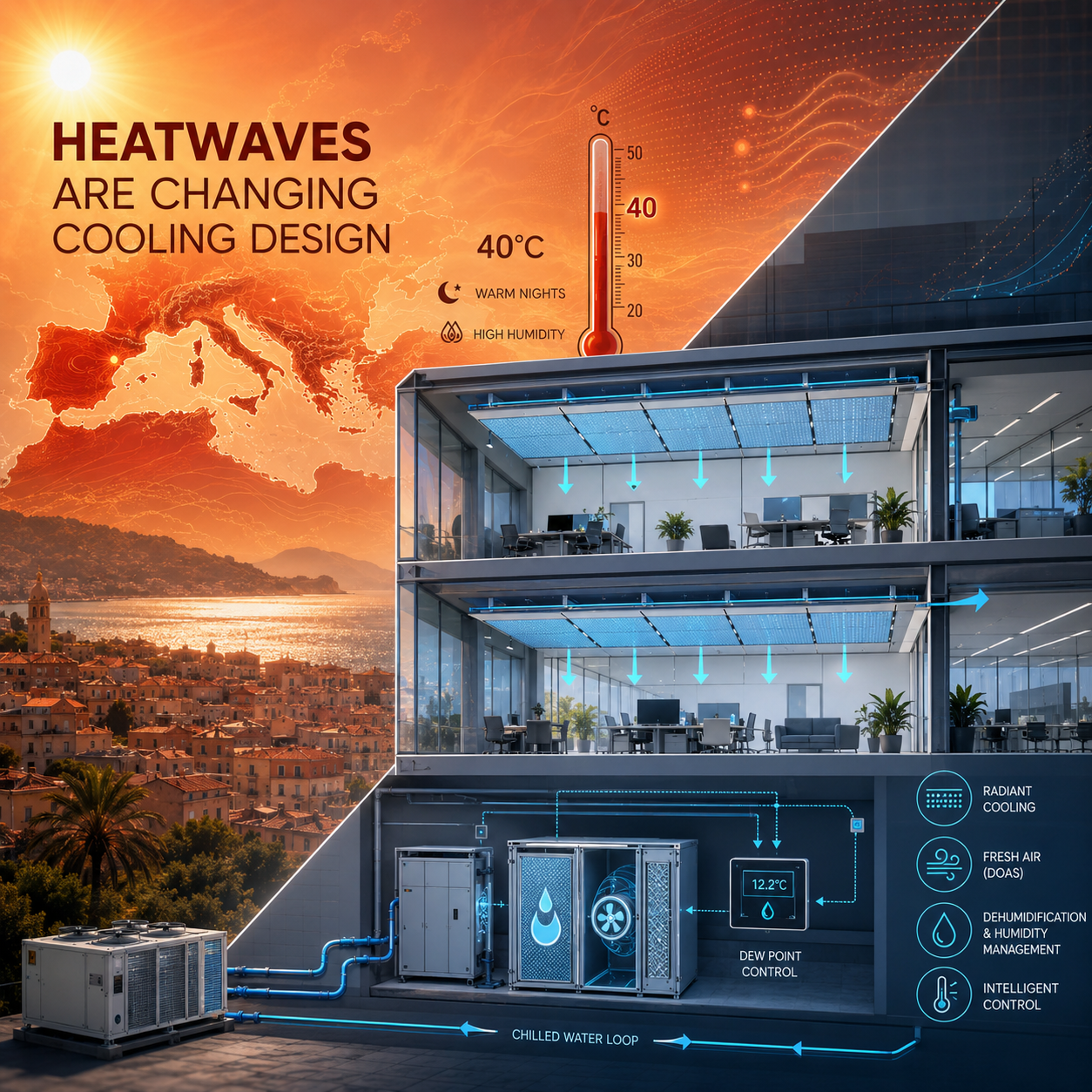
𝗖𝗼𝗼𝗹𝗶𝗻𝗴 𝗱𝗲𝘀𝗶𝗴𝗻 𝗶𝗻 𝗦𝗼𝘂𝘁𝗵𝗲𝗿𝗻 𝗘𝘂𝗿𝗼𝗽𝗲 𝗶𝘀 𝗲𝗻𝘁𝗲𝗿𝗶𝗻𝗴 𝗮 𝗱𝗶𝗳𝗳𝗲𝗿𝗲𝗻𝘁 𝗽𝗵𝗮𝘀𝗲.
Not because Southern Europe has become a tropical region. But because heatwaves are exposing buildings to conditions that were less central in the past: ▪️ high outdoor temperatures, ▪️ warmer nights, ▪️ stronger solar loads, ▪️ higher cooling peaks, ▪️ and, in some areas, more…
Continue reading...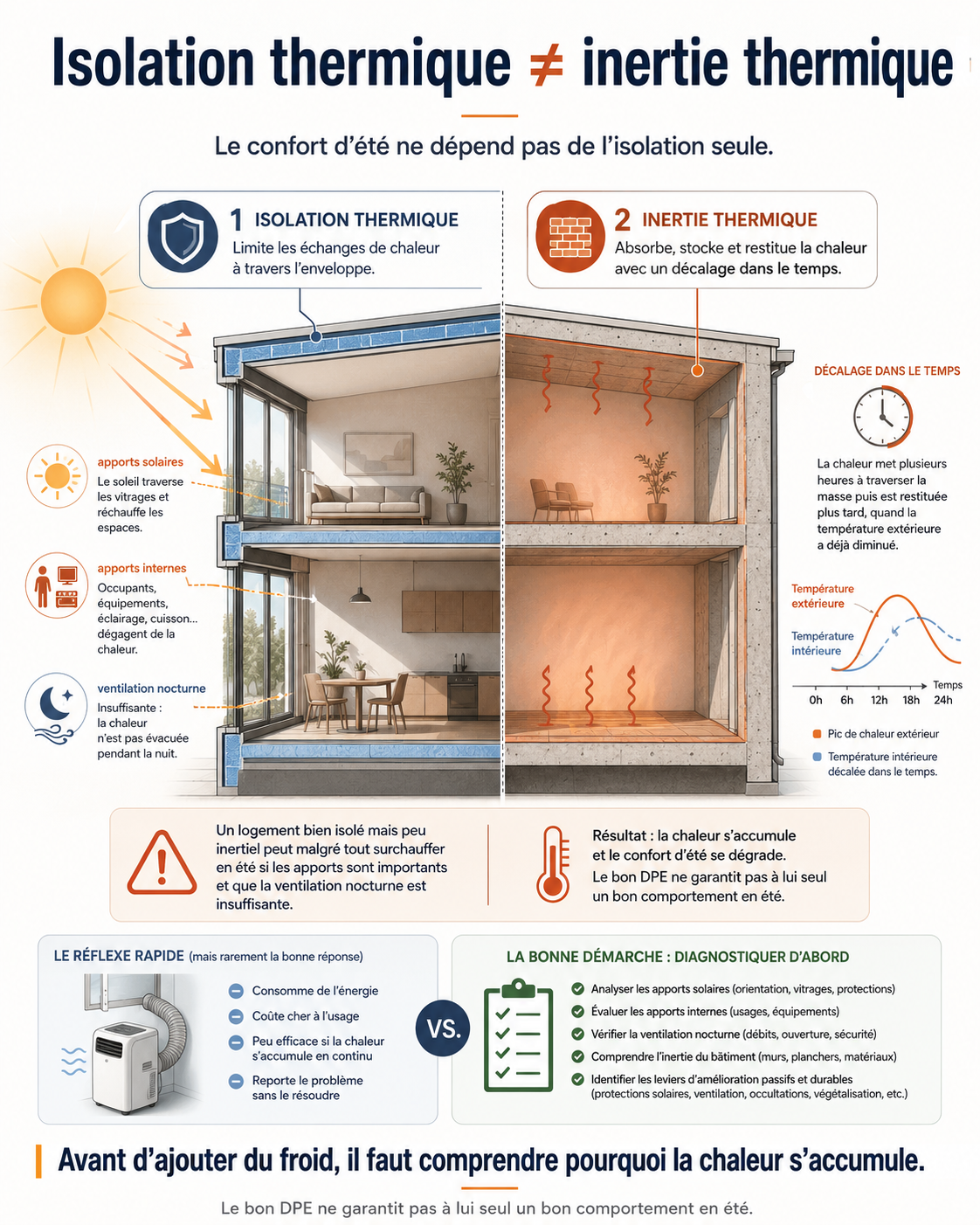
𝗜𝘀𝗼𝗹𝗮𝘁𝗶𝗼𝗻 𝘁𝗵𝗲𝗿𝗺𝗶𝗾𝘂𝗲 𝗲𝘁 𝗶𝗻𝗲𝗿𝘁𝗶𝗲 𝘁𝗵𝗲𝗿𝗺𝗶𝗾𝘂𝗲 𝗻𝗲 𝗱𝗲́𝘀𝗶𝗴𝗻𝗲𝗻𝘁 𝗽𝗮𝘀 𝗹𝗮 𝗺𝗲̂𝗺𝗲 𝗰𝗵𝗼𝘀𝗲.
Et le malentendu entre les deux devient central dans la manière dont nous parlons du confort d’été. Pendant des années, l’isolation a été présentée comme le principal levier de confort et de réduction des consommations. ▪️ Moins de pertes en hiver. ▪️ Moins de chauffage.
Continue reading...