𝗔 𝗵𝗶𝗴𝗵𝗲𝗿-𝗲𝗳𝗳𝗶𝗰𝗶𝗲𝗻𝗰𝘆 𝗽𝗵𝗼𝘁𝗼𝘃𝗼𝗹𝘁𝗮𝗶𝗰 𝗺𝗼𝗱𝘂𝗹𝗲 𝗱𝗼𝗲𝘀 𝗻𝗼𝘁 𝗮𝘂𝘁𝗼𝗺𝗮𝘁𝗶𝗰𝗮𝗹𝗹𝘆 𝗷𝘂𝘀𝘁𝗶𝗳𝘆 𝗮 𝗹𝗮𝗿𝗴𝗲𝗿 𝗯𝗮𝘁𝘁𝗲𝗿𝘆.
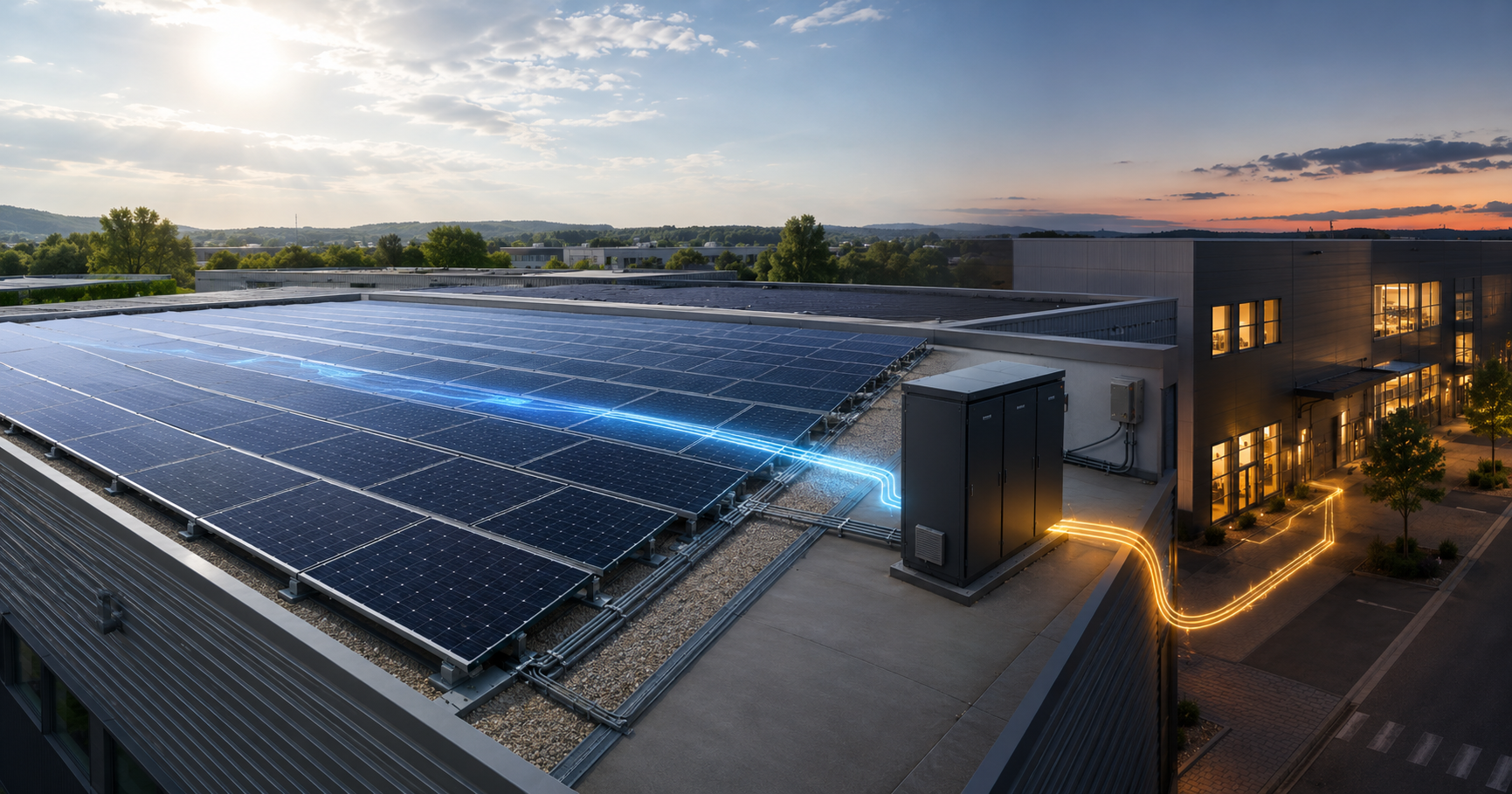
The two technologies address different system constraints.
Consider an increase in module efficiency from 𝟮𝟰% to 𝟮𝟱%.
This is not a 𝟭% relative improvement. It is one percentage point, equivalent to approximately 𝟰.𝟮% more nominal power from the same module area.
Commenting on cell efficiency, #𝗟𝗢𝗡𝗚𝗶 founder 𝗟𝗶 𝗭𝗵𝗲𝗻𝗴𝘂𝗼 stated that each additional percentage point could reduce total PV system costs by more than 𝟱%.
➡️ The actual reduction is project-specific, but the technical logic is relevant.
If the installed capacity remains fixed, higher module efficiency can reduce the number of modules, the occupied surface and part of the expenditure on structures, cabling and installation.
The production profile and battery requirement may remain substantially unchanged.
If the available surface is fixed, higher efficiency allows more PV capacity to be installed. Production may increase, but battery capacity still cannot be determined from module efficiency alone.
It depends on how much production coincides with consumption, how much can be exported and how much becomes surplus energy to be shifted to another period.
➡️ Module efficiency improves power density.
➡️ Battery storage manages the mismatch between production and consumption over time.
➡️ Higher module efficiency changes the available design options.
Only the production-consumption profile, operating constraints and economic objective determine whether storage can convert those options into additional value.