𝗣𝗵𝗼𝘁𝗼𝘃𝗼𝗹𝘁𝗮𝗶𝗰𝘀 𝗴𝗲𝗻𝗲𝗿𝗮𝘁𝗲𝘀 𝗲𝗹𝗲𝗰𝘁𝗿𝗶𝗰𝗶𝘁𝘆. 𝗖𝗿𝘆𝗼𝗴𝗲𝗻𝗶𝗰 𝗽𝗿𝗼𝗰𝗲𝘀𝘀𝗲𝘀 𝗰𝗼𝗻𝘀𝘂𝗺𝗲 𝗶𝘁. 𝗜𝗻 𝗖𝗵𝗶𝗻𝗮, 𝘁𝗵𝗲𝘆 𝗮𝗿𝗲 𝗻𝗼𝘄 𝘄𝗼𝗿𝗸𝗶𝗻𝗴 𝘁𝗼𝗴𝗲𝘁𝗵𝗲𝗿 𝘁𝗼 𝘀𝘁𝗼𝗿𝗲 𝗲𝗻𝗲𝗿𝗴𝘆.
Traditionally, cryogenic technologies are associated with energy-intensive industrial processes, particularly those requiring extremely low temperatures.
➡️ But in Golmud, China, a different application is emerging.
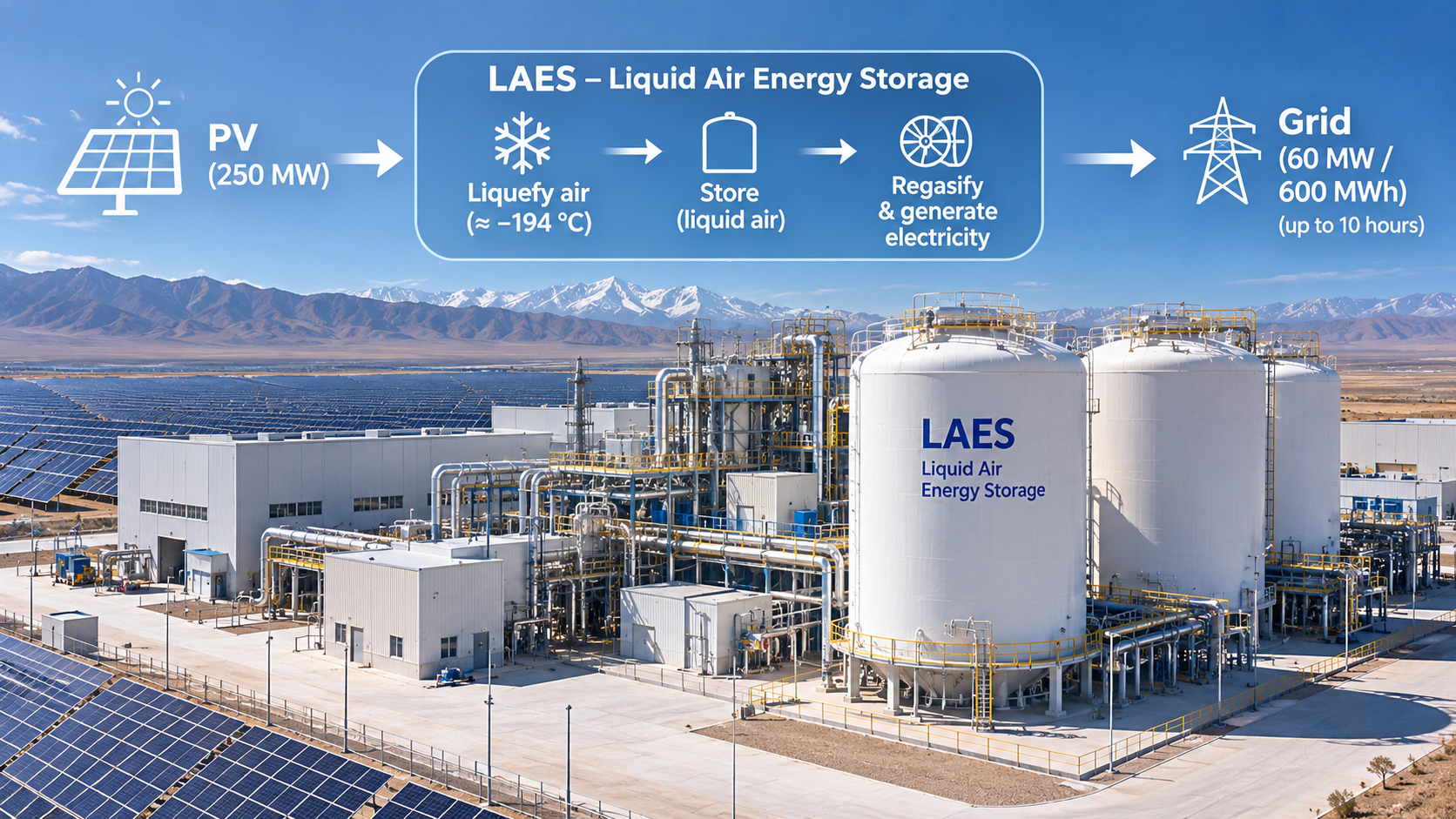
On 30 October, a 60 MW / 600 MWh Liquid Air Energy Storage (LAES) installation was connected to the grid, alongside a 250 MW photovoltaic project.
Rather than relying on conventional battery storage, the Golmud project takes a different approach: using surplus electricity to liquefy atmospheric air and store energy through a thermodynamic process.
➡️ The principle is relatively simple.
Electricity is used to compress and cool atmospheric air until it becomes liquid at approximately −194°C. The liquid air is then stored in insulated tanks.
When electricity is required, it is pressurised, heated and vaporised, allowing the expanding gas to drive a turbine connected to an electrical generator.
In this way, cryogenic technology becomes part of an electricity-storage system capable of delivering power for up to 10 hours at rated output.
𝗙𝗼𝗿 𝘁𝗵𝗲 𝗛𝗩𝗔𝗖/𝗥 𝗶𝗻𝗱𝘂𝘀𝘁𝗿𝘆, 𝘁𝗵𝗲 𝗰𝗼𝗻𝗻𝗲𝗰𝘁𝗶𝗼𝗻 𝗶𝘀 𝗽𝗮𝗿𝘁𝗶𝗰𝘂𝗹𝗮𝗿𝗹𝘆 𝗶𝗻𝘁𝗲𝗿𝗲𝘀𝘁𝗶𝗻𝗴.
Compression, heat exchange, thermal recovery and expansion are technologies and processes familiar to industrial refrigeration.
➡️ What changes is their application.
Instead of providing cooling, these thermodynamic processes are used to store and recover electricity, without relying on electrochemical batteries.
The technology still faces challenges, particularly regarding round-trip efficiency and investment costs.
𝗜𝗻 𝗚𝗼𝗹𝗺𝘂𝗱, 𝗰𝗿𝘆𝗼𝗴𝗲𝗻𝗶𝗰 𝗲𝗻𝗴𝗶𝗻𝗲𝗲𝗿𝗶𝗻𝗴 𝗶𝘀 𝗻𝗼 𝗹𝗼𝗻𝗴𝗲𝗿 𝘀𝗶𝗺𝗽𝗹𝘆 𝗮𝗻 𝗶𝗻𝗱𝘂𝘀𝘁𝗿𝗶𝗮𝗹 𝗲𝗹𝗲𝗰𝘁𝗿𝗶𝗰𝗶𝘁𝘆 𝗰𝗼𝗻𝘀𝘂𝗺𝗲𝗿. 𝗜𝘁 𝗯𝗲𝗰𝗼𝗺𝗲𝘀 𝗽𝗮𝗿𝘁 𝗼𝗳 𝘁𝗵𝗲 𝗶𝗻𝗳𝗿𝗮𝘀𝘁𝗿𝘂𝗰𝘁𝘂𝗿𝗲 𝘁𝗵𝗮𝘁 𝗵𝗲𝗹𝗽𝘀 𝗿𝗲𝗻𝗲𝘄𝗮𝗯𝗹𝗲 𝗲𝗹𝗲𝗰𝘁𝗿𝗶𝗰𝗶𝘁𝘆 𝗿𝗲𝗺𝗮𝗶𝗻 𝗮𝘃𝗮𝗶𝗹𝗮𝗯𝗹𝗲 𝗯𝗲𝘆𝗼𝗻𝗱 𝘁𝗵𝗲 𝗺𝗼𝗺𝗲𝗻𝘁 𝗼𝗳 𝗽𝗿𝗼𝗱𝘂𝗰𝘁𝗶𝗼𝗻.
You should also read:
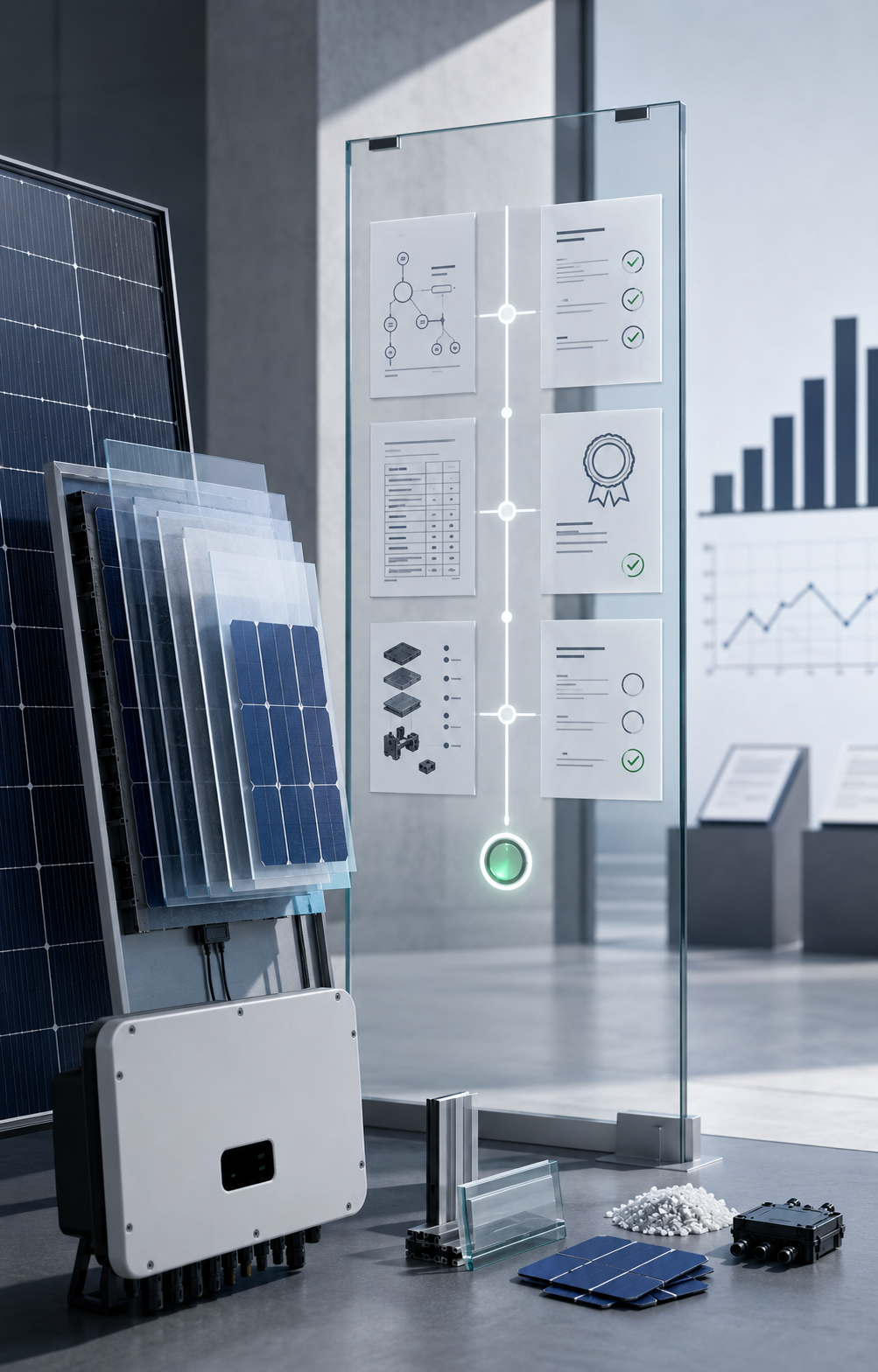
𝗘𝗻 𝗙𝗿𝗮𝗻𝗰𝗲, 𝘂𝗻 𝘀𝘆𝘀𝘁𝗲̀𝗺𝗲 𝗽𝗵𝗼𝘁𝗼𝘃𝗼𝗹𝘁𝗮𝗶𝗾𝘂𝗲 𝗽𝗲𝘂𝘁 𝗱𝗲́𝘀𝗼𝗿𝗺𝗮𝗶𝘀 𝗲̂𝘁𝗿𝗲 𝗰𝗼𝗺𝗽𝗲́𝘁𝗶𝘁𝗶𝗳 𝗲𝗻 𝗽𝗿𝗶𝘅, 𝗽𝗲𝗿𝗳𝗼𝗿𝗺𝗮𝗻𝘁 𝘀𝘂𝗿 𝗹𝗲 𝗽𝗹𝗮𝗻 𝘁𝗲𝗰𝗵𝗻𝗶𝗾𝘂𝗲 𝗲𝘁 𝗽𝗼𝘂𝗿𝘁𝗮𝗻𝘁 𝗻𝗲 𝗽𝗮𝘀 𝗲̂𝘁𝗿𝗲 𝗲́𝗹𝗶𝗴𝗶𝗯𝗹𝗲 𝗮 𝗰𝗲𝗿𝘁𝗮𝗶𝗻𝘀 𝗮𝗽𝗽𝗲𝗹𝘀 𝗱’𝗼𝗳𝗳𝗿𝗲𝘀.
En 𝗷𝘂𝗶𝗹𝗹𝗲𝘁 𝟮𝟬𝟮𝟲, la France a intégré des critères de résilience de la chaîne d’approvisionnement dans les appels d’offres concernant certaines installations photovoltaïques sur bâtiments et au sol. ➡️ Le…
Continue reading...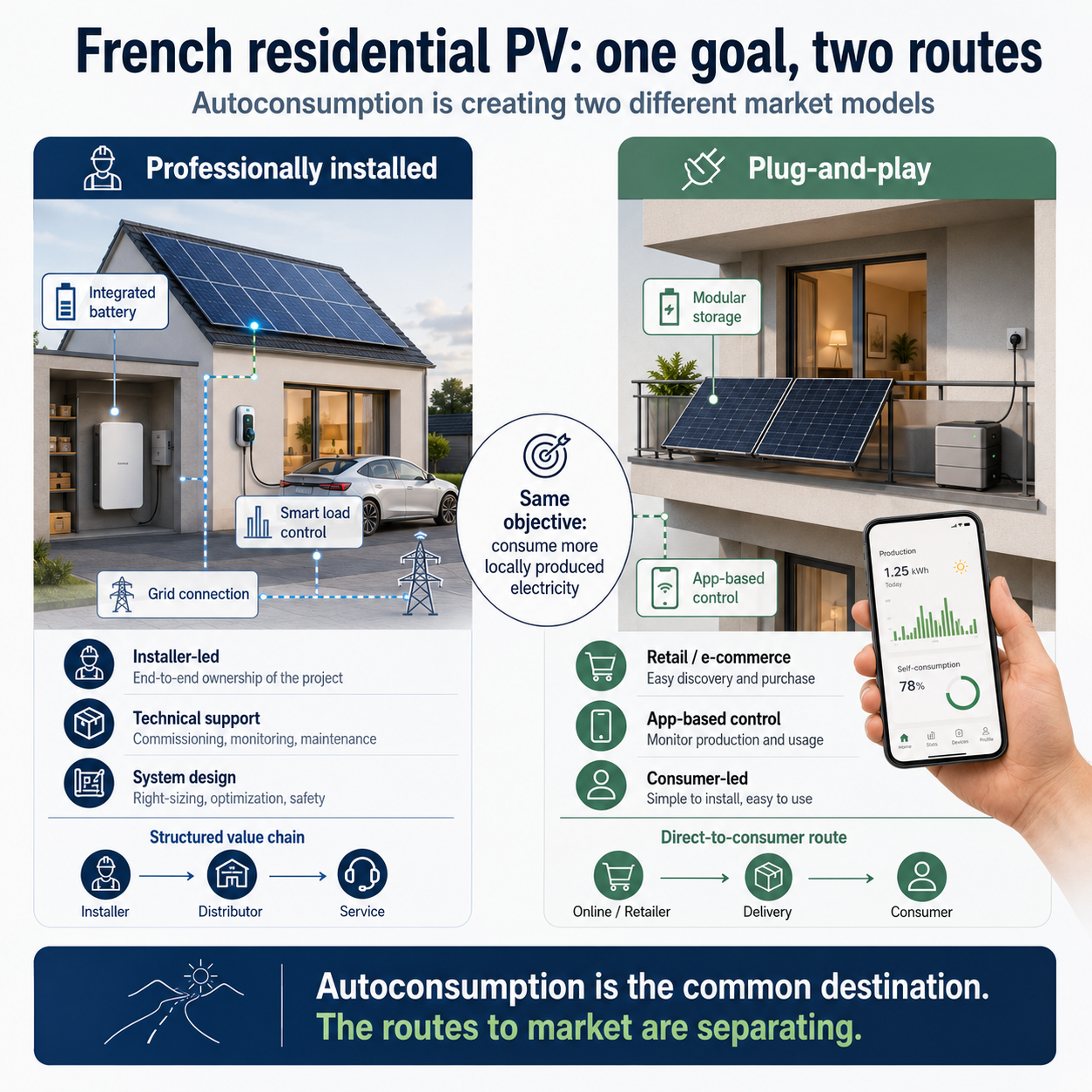
𝗧𝗵𝗲 𝗙𝗿𝗲𝗻𝗰𝗵 𝗿𝗲𝘀𝗶𝗱𝗲𝗻𝘁𝗶𝗮𝗹 𝗣𝗩 𝗺𝗮𝗿𝗸𝗲𝘁 𝗶𝘀 𝗶𝗻𝗰𝗿𝗲𝗮𝘀𝗶𝗻𝗴𝗹𝘆 𝗯𝗲𝗶𝗻𝗴 𝗱𝗲𝘀𝗶𝗴𝗻𝗲𝗱 𝗮𝗿𝗼𝘂𝗻𝗱 𝗮𝘂𝘁𝗼𝗰𝗼𝗻𝘀𝘂𝗺𝗽𝘁𝗶𝗼𝗻.
This changes more than the configuration of the installation. The traditional proposition was relatively linear: Panels, inverter, installation and grid connection. The emerging proposition includes load control, EV charging, batteries,…
Continue reading...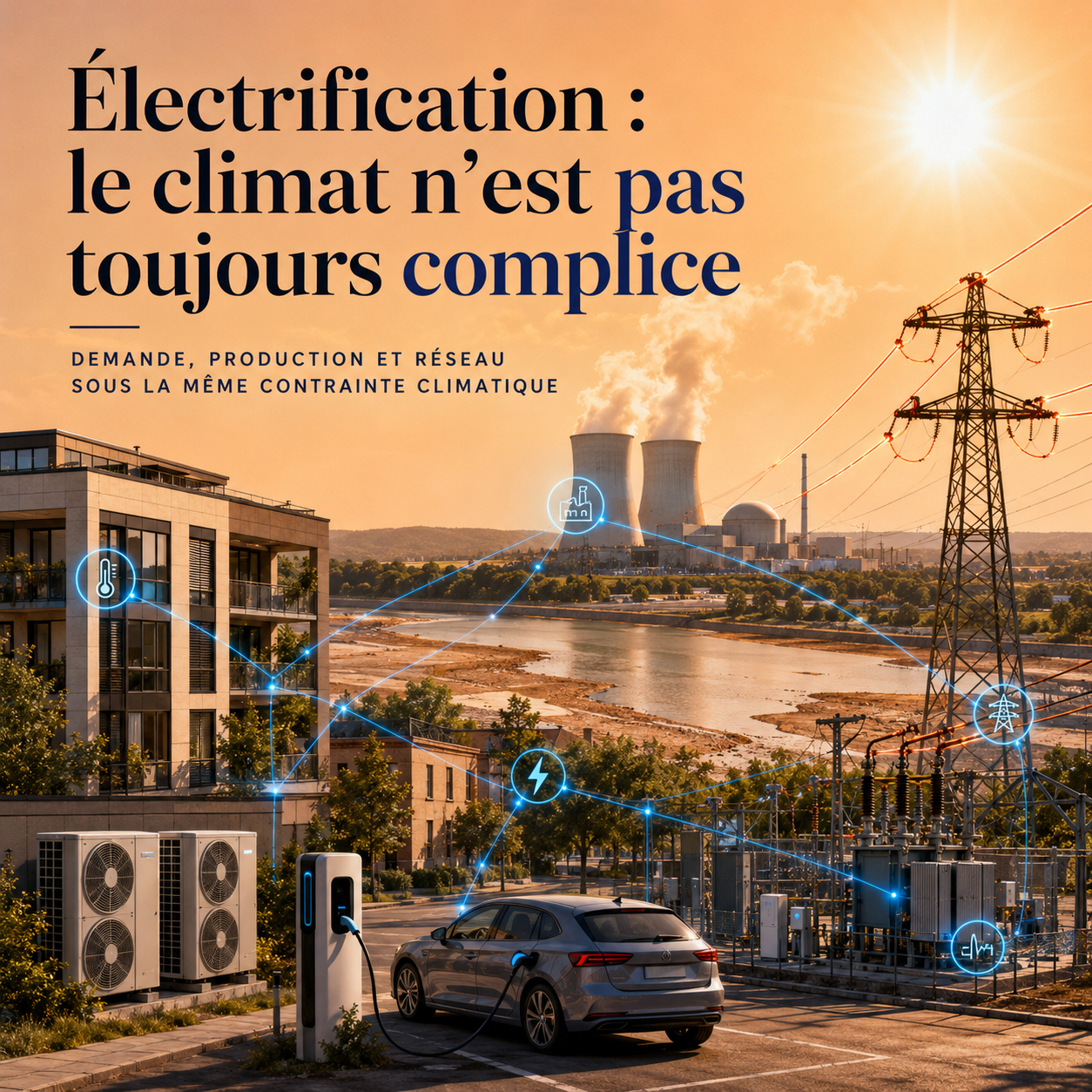
𝗘𝗹𝗲𝗰𝘁𝗿𝗶𝗳𝗶𝗰𝗮𝘁𝗶𝗼𝗻 : 𝗹𝗲 𝗰𝗹𝗶𝗺𝗮𝘁 𝗻’𝗲𝘀𝘁 𝗽𝗮𝘀 𝘁𝗼𝘂𝗷𝗼𝘂𝗿𝘀 𝗰𝗼𝗺𝗽𝗹𝗶𝗰𝗲
La France accélère l’électrification de ses usages. Pompes à chaleur, véhicules électriques, climatisation, procédés industriels : une part croissante de la consommation repose désormais sur le système électrique. ➡️ Cette…
Continue reading...