𝗘𝗻𝗲𝗿𝗴𝘆 𝗲𝗳𝗳𝗶𝗰𝗶𝗲𝗻𝗰𝘆 𝗶𝗻 𝗛𝗩𝗔𝗖 𝗶𝘀 𝗼𝗳𝘁𝗲𝗻 𝗮𝗽𝗽𝗿𝗼𝗮𝗰𝗵𝗲𝗱 𝘁𝗼𝗼 𝗻𝗮𝗿𝗿𝗼𝘄𝗹𝘆.

The discussion usually starts with equipment:
▪️ machine efficiency
▪️ refrigerant choice
▪️ nominal performance
▪️ design calculation
All of this matters.
But in real buildings, energy performance is not confirmed by the machine alone.
It is confirmed by operation.
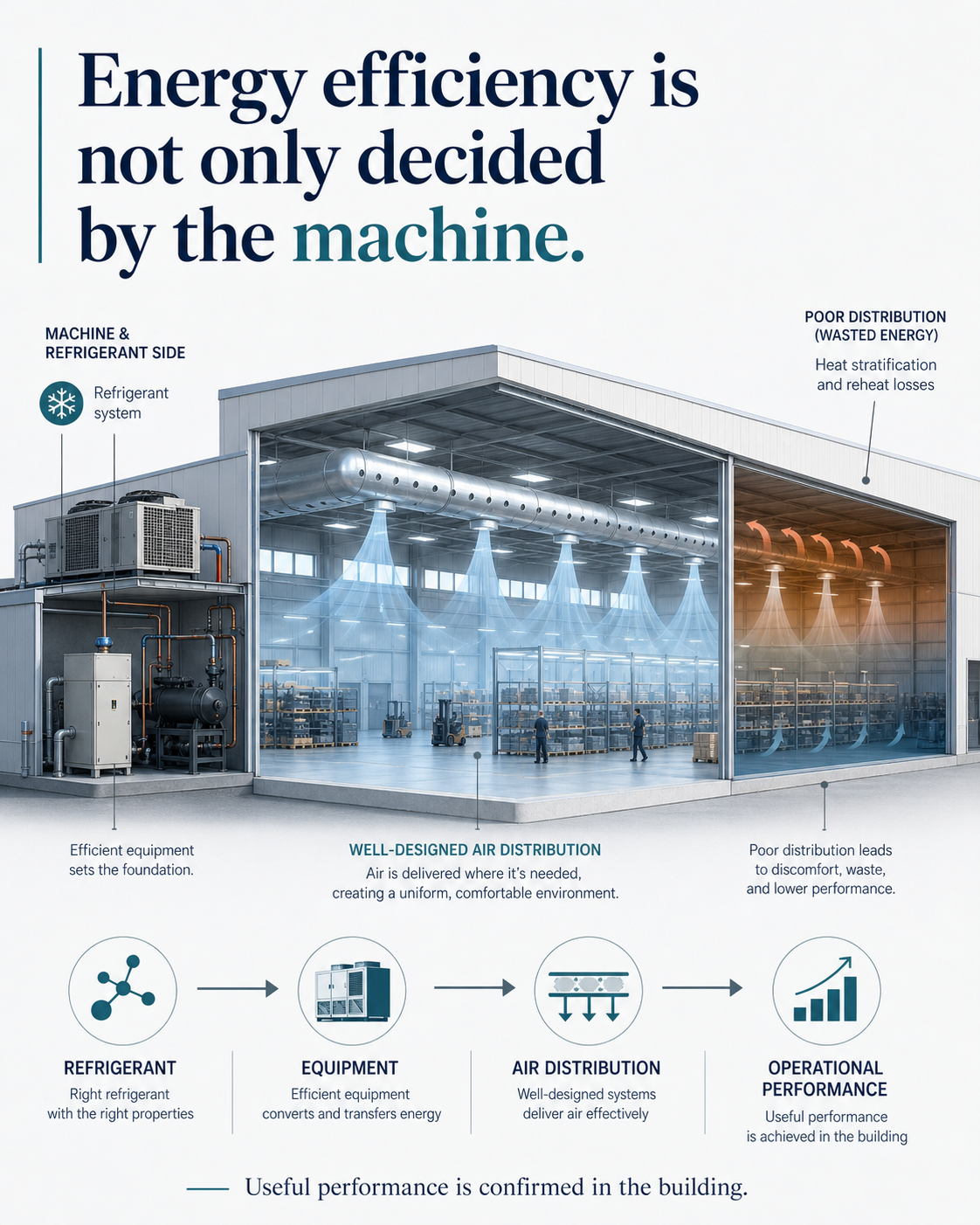
If the air is poorly distributed, the system compensates:
▪️ higher airflow
▪️ longer cycles
▪️ fan overconsumption
▪️ setpoint corrections
▪️ unstable comfort
▪️ energy losses linked to stratification or dead zones
This is particularly visible in large-volume buildings.
A lower-PRG refrigerant can reduce direct climate impact.
Efficient equipment can improve conversion performance.
Correct design can define the expected result.
But air distribution determines how much of that performance becomes useful in the occupied zone.
This is the connection between refrigerants, equipment, airflow, controls, installation quality, and real building usage.
𝗘𝗻𝗲𝗿𝗴𝘆 𝗲𝗳𝗳𝗶𝗰𝗶𝗲𝗻𝗰𝘆 𝗶𝘀 𝗻𝗼𝘁 𝗼𝗻𝗹𝘆 𝗮 𝘁𝗲𝗰𝗵𝗻𝗶𝗰𝗮𝗹 𝘀𝗽𝗲𝗰𝗶𝗳𝗶𝗰𝗮𝘁𝗶𝗼𝗻.
𝗜𝘁 𝗶𝘀 𝗮 𝘀𝘆𝘀𝘁𝗲𝗺 𝗿𝗲𝘀𝘂𝗹𝘁.
And in HVAC, the system is validated inside the building, not only inside the machine.
You should also read:
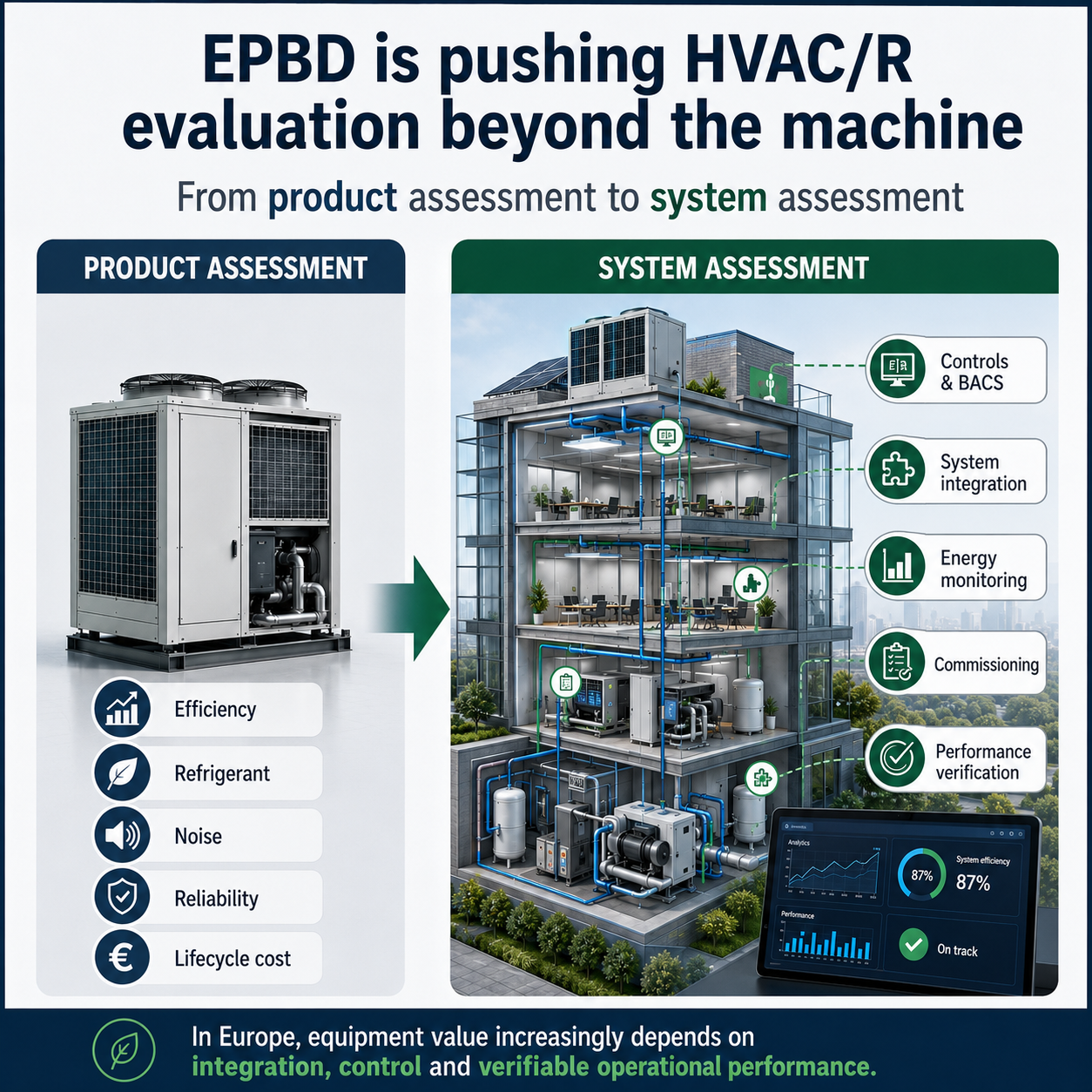
𝗔 𝗵𝗶𝗴𝗵-𝗲𝗳𝗳𝗶𝗰𝗶𝗲𝗻𝗰𝘆 𝗛𝗩𝗔𝗖/𝗥 𝗽𝗿𝗼𝗱𝘂𝗰𝘁 𝗰𝗮𝗻 𝘀𝘁𝗶𝗹𝗹 𝗯𝗲𝗰𝗼𝗺𝗲 𝗮 𝗹𝗼𝘄-𝗽𝗲𝗿𝗳𝗼𝗿𝗺𝗶𝗻𝗴 𝗯𝘂𝗶𝗹𝗱𝗶𝗻𝗴 𝗮𝘀𝘀𝗲𝘁.
This is one of the technical implications of the European building-performance framework. A heat pump, chiller or ventilation unit may offer: ▪️ high nominal efficiency ▪️ an appropriate refrigerant ▪️ low noise levels ▪️ reliable components ▪️ competitive lifecycle costs But none of these characteristics…
Continue reading...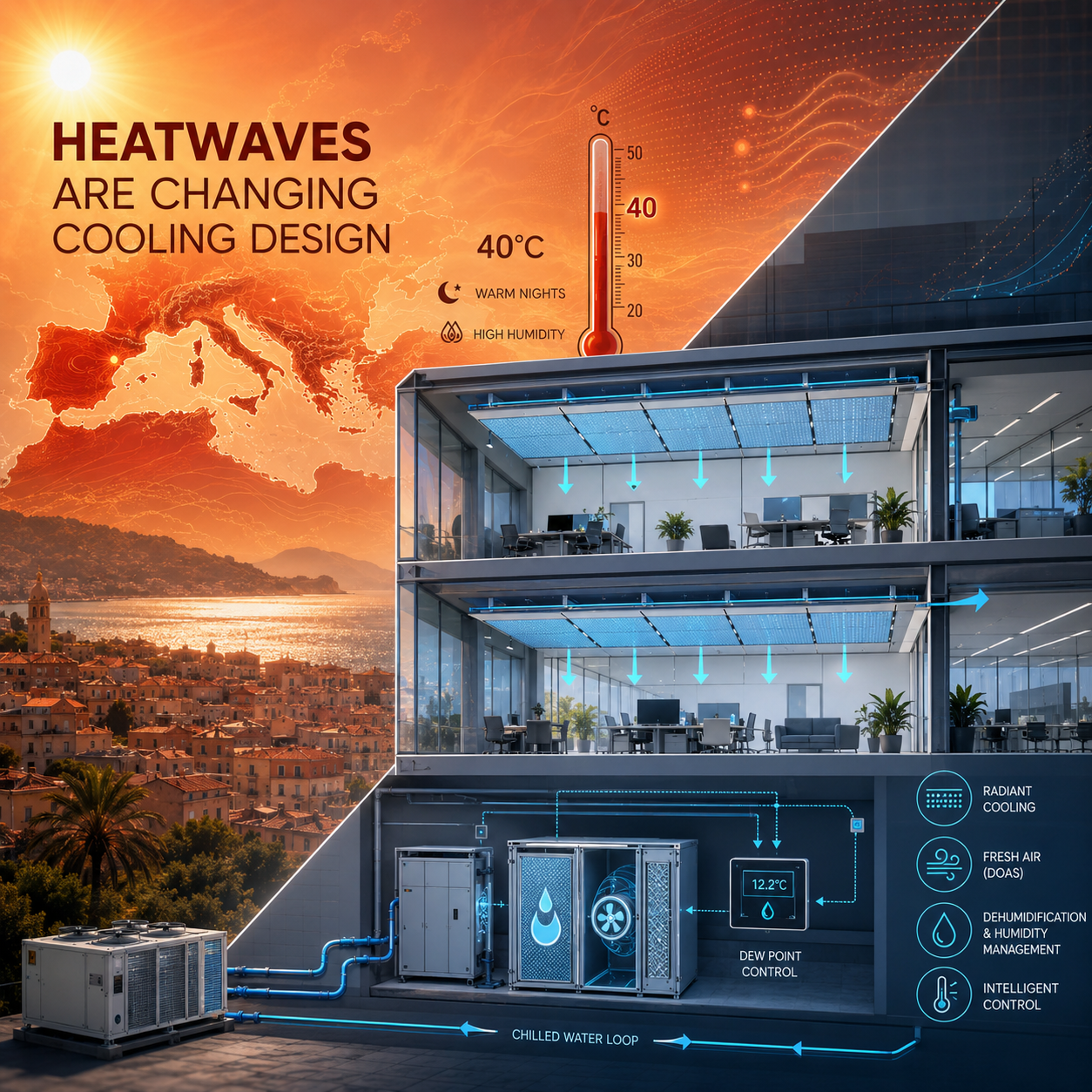
𝗖𝗼𝗼𝗹𝗶𝗻𝗴 𝗱𝗲𝘀𝗶𝗴𝗻 𝗶𝗻 𝗦𝗼𝘂𝘁𝗵𝗲𝗿𝗻 𝗘𝘂𝗿𝗼𝗽𝗲 𝗶𝘀 𝗲𝗻𝘁𝗲𝗿𝗶𝗻𝗴 𝗮 𝗱𝗶𝗳𝗳𝗲𝗿𝗲𝗻𝘁 𝗽𝗵𝗮𝘀𝗲.
Not because Southern Europe has become a tropical region. But because heatwaves are exposing buildings to conditions that were less central in the past: ▪️ high outdoor temperatures, ▪️ warmer nights, ▪️ stronger solar loads, ▪️ higher cooling peaks, ▪️ and, in some areas, more…
Continue reading...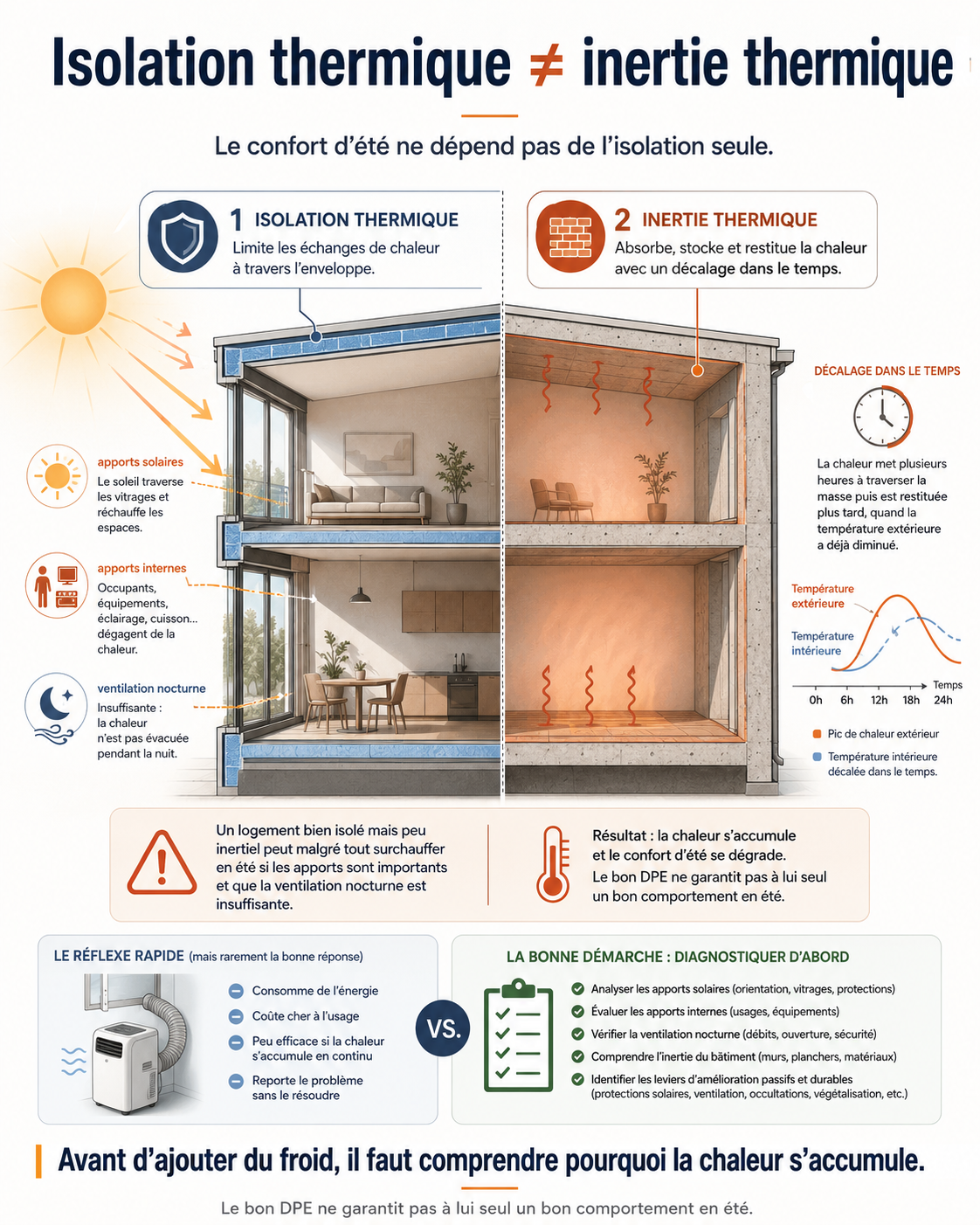
𝗜𝘀𝗼𝗹𝗮𝘁𝗶𝗼𝗻 𝘁𝗵𝗲𝗿𝗺𝗶𝗾𝘂𝗲 𝗲𝘁 𝗶𝗻𝗲𝗿𝘁𝗶𝗲 𝘁𝗵𝗲𝗿𝗺𝗶𝗾𝘂𝗲 𝗻𝗲 𝗱𝗲́𝘀𝗶𝗴𝗻𝗲𝗻𝘁 𝗽𝗮𝘀 𝗹𝗮 𝗺𝗲̂𝗺𝗲 𝗰𝗵𝗼𝘀𝗲.
Et le malentendu entre les deux devient central dans la manière dont nous parlons du confort d’été. Pendant des années, l’isolation a été présentée comme le principal levier de confort et de réduction des consommations. ▪️ Moins de pertes en hiver. ▪️ Moins de chauffage.
Continue reading...