𝗘𝗹𝗲𝗰𝘁𝗿𝗶𝗳𝗶𝗰𝗮𝘁𝗶𝗼𝗻: 𝗯𝗲𝘆𝗼𝗻𝗱 𝘁𝗵𝗲 𝗰𝗼𝘀𝘁 𝗼𝗳 𝗲𝗹𝗲𝗰𝘁𝗿𝗶𝗰𝗶𝘁𝘆.
Twenty-six German economists recently called for greater cost efficiency in the energy transition, notably by reconsidering subsidies for small photovoltaic installations.
An article published on 27 November in the Frankfurter Allgemeine Zeitung challenges this approach, highlighting an often overlooked dimension: decentralised electricity production has not only increased renewable generation capacity. It has also enabled households, farmers, businesses and municipalities to become active participants in the electricity market.
I believe this observation opens a broader strategic discussion, extending well beyond Germany.
The progressive electrification of mobility, industrial processes and infrastructure will make our economies increasingly dependent on electricity as their principal energy carrier.
The recent evolution of the RACHP sector, particularly the development of heat pump technologies for residential and industrial applications, is already a concrete expression of this transformation.
In this scenario, three requirements become fundamental:
▪️ Security and continuity of supply.
▪️ Competitive and predictable electricity costs.
▪️ Reduced dependence on external energy suppliers.
As our dependence on electricity increases, the way the electricity market is organised becomes as strategically important as the way electricity is produced.
The balance between centralised and decentralised production, the ownership of generating assets and the ability of consumers to participate directly in electricity production will influence how economic value, investment opportunities and energy costs are distributed.
Today's choices concerning electricity production, infrastructure and market organisation must anticipate how energy will be used in an increasingly electrified economy.
Decentralisation must not lead to a system in which access to affordable and reliable electricity increasingly depends on the ability to own generation assets.
You should also read:
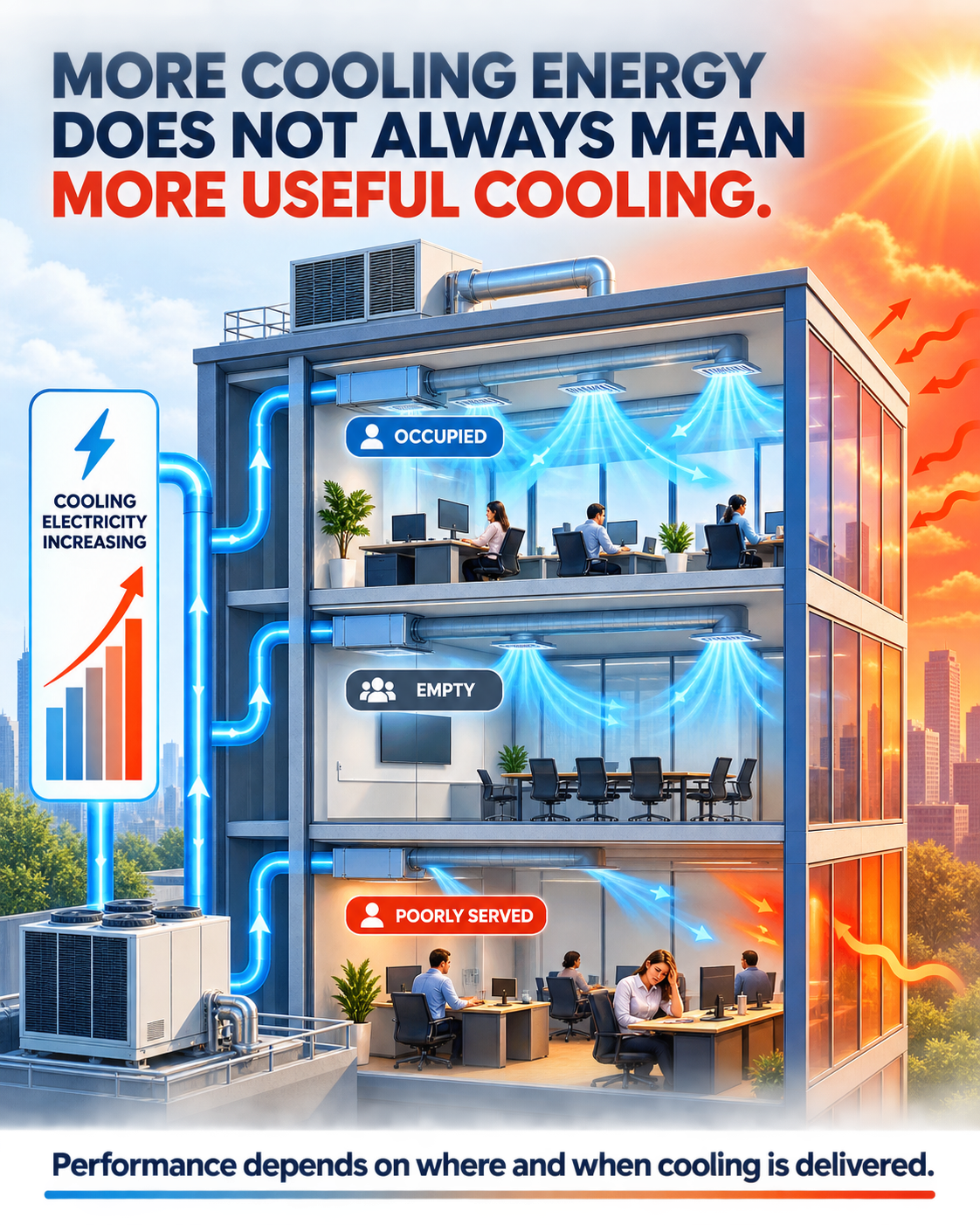
𝗛𝗲𝗮𝘁𝘄𝗮𝘃𝗲𝘀 𝗮𝗿𝗲 𝗶𝗻𝗰𝗿𝗲𝗮𝘀𝗶𝗻𝗴 𝘁𝗵𝗲 𝗲𝗹𝗲𝗰𝘁𝗿𝗶𝗰𝗶𝘁𝘆 𝗿𝗲𝗾𝘂𝗶𝗿𝗲𝗱 𝗳𝗼𝗿 𝗰𝗼𝗼𝗹𝗶𝗻𝗴.
But higher consumption does not necessarily mean that buildings are being cooled effectively. During extreme heat, an #HVAC system may consume more energy while continuing to: ▪️ condition empty areas;…
Continue reading...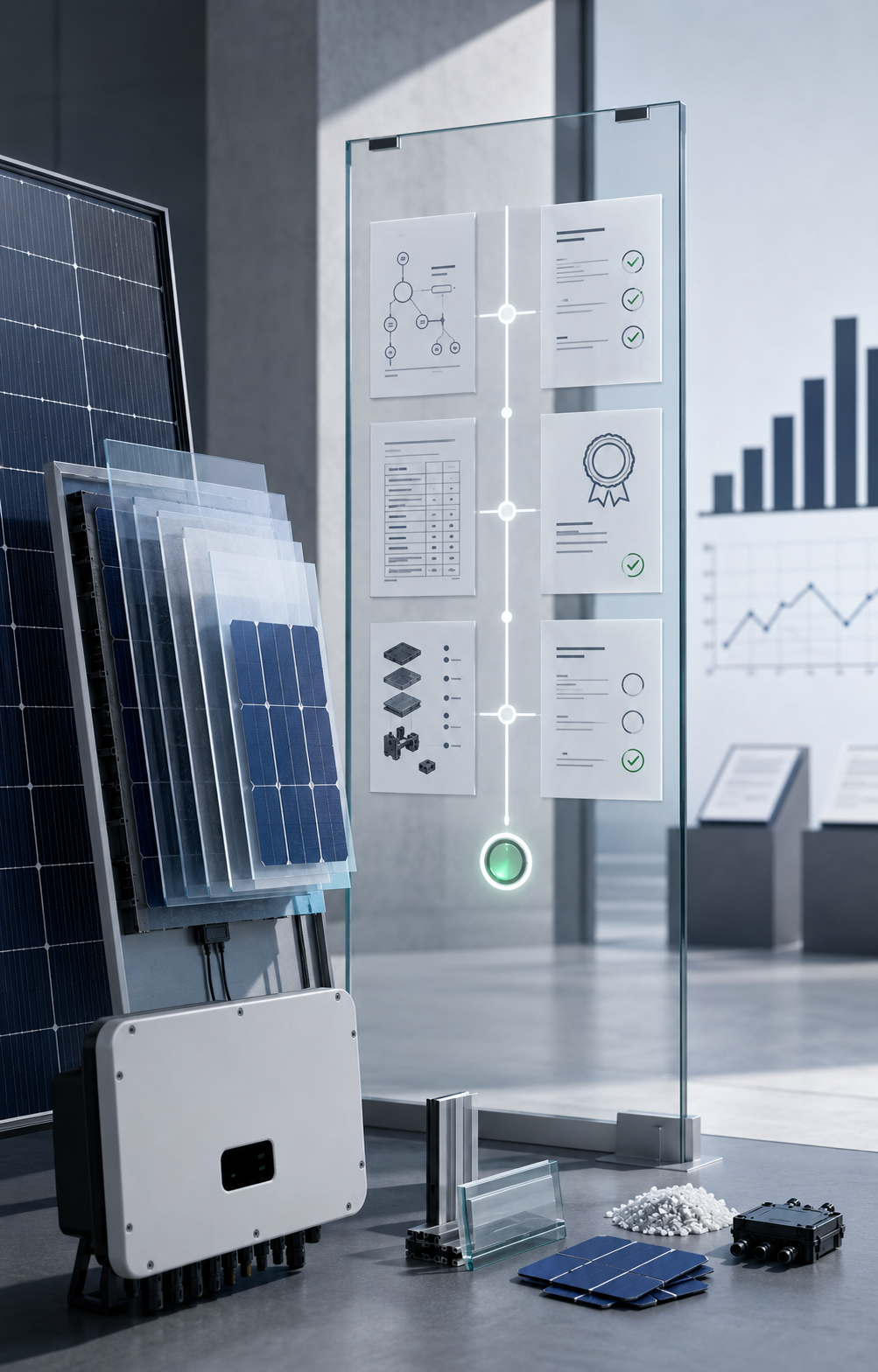
𝗘𝗻 𝗙𝗿𝗮𝗻𝗰𝗲, 𝘂𝗻 𝘀𝘆𝘀𝘁𝗲̀𝗺𝗲 𝗽𝗵𝗼𝘁𝗼𝘃𝗼𝗹𝘁𝗮𝗶𝗾𝘂𝗲 𝗽𝗲𝘂𝘁 𝗱𝗲́𝘀𝗼𝗿𝗺𝗮𝗶𝘀 𝗲̂𝘁𝗿𝗲 𝗰𝗼𝗺𝗽𝗲́𝘁𝗶𝘁𝗶𝗳 𝗲𝗻 𝗽𝗿𝗶𝘅, 𝗽𝗲𝗿𝗳𝗼𝗿𝗺𝗮𝗻𝘁 𝘀𝘂𝗿 𝗹𝗲 𝗽𝗹𝗮𝗻 𝘁𝗲𝗰𝗵𝗻𝗶𝗾𝘂𝗲 𝗲𝘁 𝗽𝗼𝘂𝗿𝘁𝗮𝗻𝘁 𝗻𝗲 𝗽𝗮𝘀 𝗲̂𝘁𝗿𝗲 𝗲́𝗹𝗶𝗴𝗶𝗯𝗹𝗲 𝗮 𝗰𝗲𝗿𝘁𝗮𝗶𝗻𝘀 𝗮𝗽𝗽𝗲𝗹𝘀 𝗱’𝗼𝗳𝗳𝗿𝗲𝘀.
En 𝗷𝘂𝗶𝗹𝗹𝗲𝘁 𝟮𝟬𝟮𝟲, la France a intégré des critères de résilience de la chaîne d’approvisionnement dans les appels d’offres concernant certaines installations photovoltaïques sur bâtiments et au sol. ➡️ Le…
Continue reading...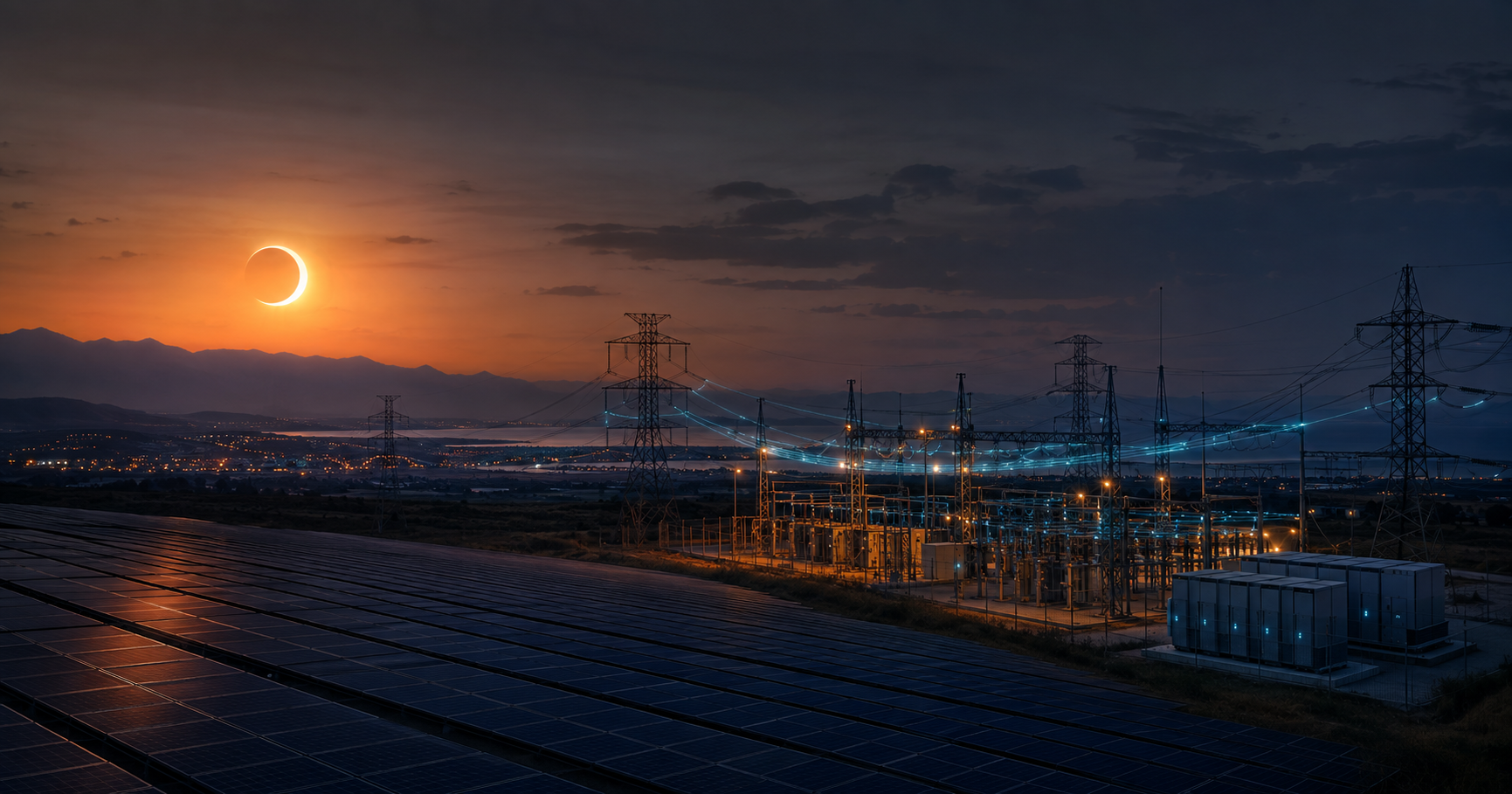
𝗢𝗻 𝗪𝗲𝗱𝗻𝗲𝘀𝗱𝗮𝘆, 𝗺𝘂𝗰𝗵 𝗼𝗳 𝗘𝘂𝗿𝗼𝗽𝗲 𝘄𝗮𝘀 𝘄𝗮𝘁𝗰𝗵𝗶𝗻𝗴 𝘁𝗵𝗲 𝗦𝘂𝗻.
Electricity system operators were watching the solar generation curve. Red Eléctrica had estimated an eclipse-specific reduction of approximately 5 GW in photovoltaic production. Hydroelectric and combined-cycle gas generation compensated for…
Continue reading...