𝗣𝗿𝗶𝗱𝗲, 𝘄𝗶𝘁𝗵 𝗹𝗶𝗺𝗶𝘁𝘀.
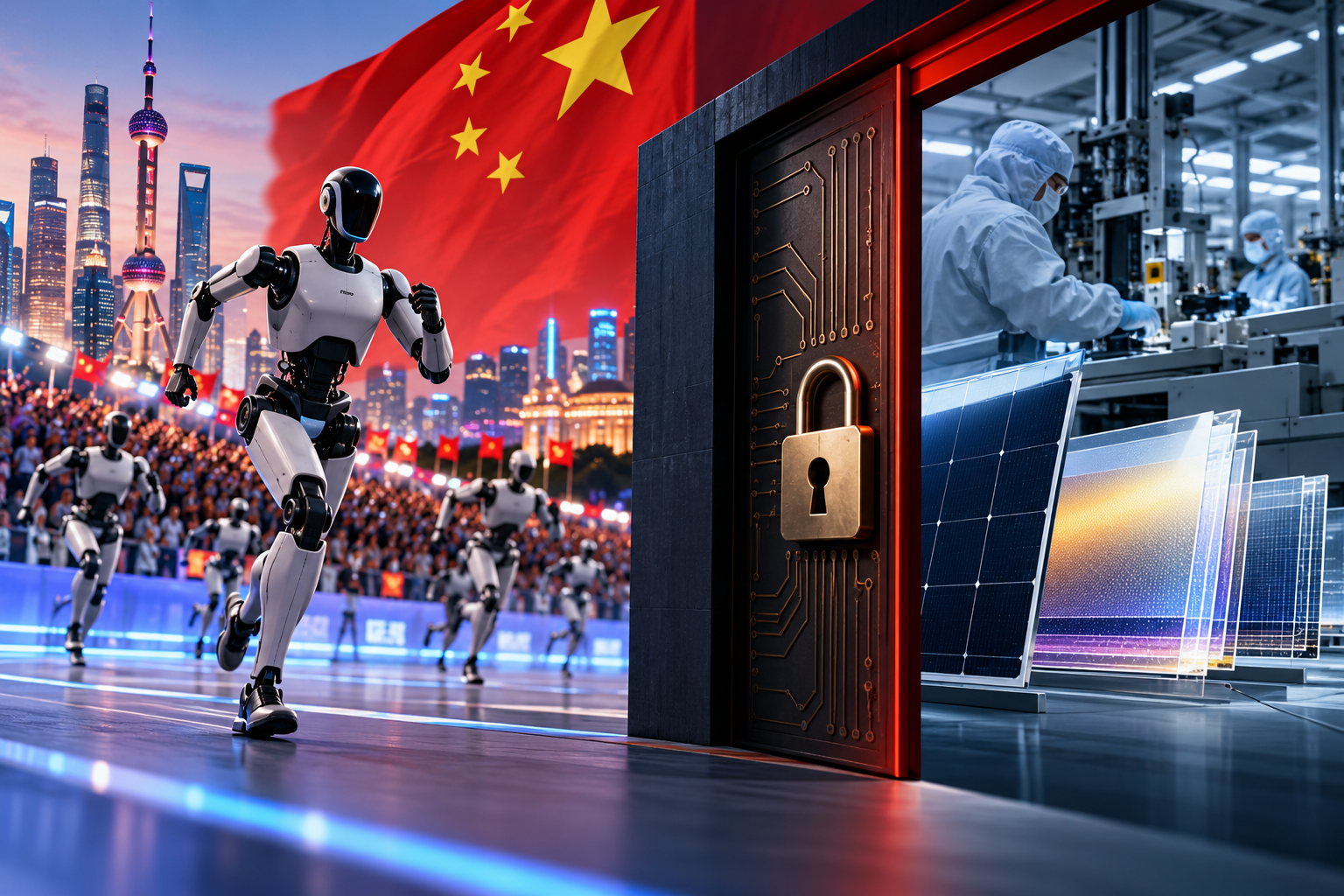
Throughout 2026, China has made its technological progress increasingly visible.
It began with the extraordinary humanoid robot performances during the Chinese Lunar New Year celebrations in February.
Then came the World Humanoid Robot Games in August, with 100-metre sprint records, alongside numerous demonstrations of progress in artificial intelligence and advanced manufacturing.
A clear message of technological confidence, challenging the long-standing perception of China as a country that copies technology rather than creates it.
➡️ But on 16 October, another dimension of China's industrial strategy became visible.
The Ministry of Commerce proposed new export controls covering 40 advanced technologies, including 12 in photovoltaics and 23 in artificial intelligence.
Among them are manufacturing processes for perovskite and tandem solar cells, technologies attracting significant research and industrial development efforts for the next generation of photovoltaics.
➡️ The decision is interesting.
𝗗𝗲𝗺𝗼𝗻𝘀𝘁𝗿𝗮𝘁𝗶𝗻𝗴 𝘁𝗲𝗰𝗵𝗻𝗼𝗹𝗼𝗴𝗶𝗰𝗮𝗹 𝗹𝗲𝗮𝗱𝗲𝗿𝘀𝗵𝗶𝗽 𝗶𝗻𝘁𝗲𝗿𝗻𝗮𝘁𝗶𝗼𝗻𝗮𝗹𝗹𝘆 𝗱𝗼𝗲𝘀 𝗻𝗼𝘁 𝗻𝗲𝗰𝗲𝘀𝘀𝗮𝗿𝗶𝗹𝘆 𝗺𝗲𝗮𝗻 𝘀𝗵𝗮𝗿𝗶𝗻𝗴 𝘁𝗵𝗲 𝗶𝗻𝗱𝘂𝘀𝘁𝗿𝗶𝗮𝗹 𝗸𝗻𝗼𝘄𝗹𝗲𝗱𝗴𝗲 𝗿𝗲𝗾𝘂𝗶𝗿𝗲𝗱 𝘁𝗼 𝗿𝗲𝗽𝗿𝗼𝗱𝘂𝗰𝗲 𝗶𝘁.
China has already used technology-export controls in the past. What deserves attention today is the proposed extension of these protections to some of the most advanced photovoltaic manufacturing processes.
China is not proposing to restrict international access to finished solar modules. It is considering restrictions on selected technologies required to manufacture the next generation of them.
For China, the underlying logic is familiar in industrial competition: the value of a technological breakthrough lies not only in commercialising it, but also in preserving the advantage it creates.
𝗔𝗳𝘁𝗲𝗿 𝘆𝗲𝗮𝗿𝘀 𝗼𝗳 𝗰𝗵𝗮𝗹𝗹𝗲𝗻𝗴𝗶𝗻𝗴 𝗶𝘁𝘀 𝗿𝗲𝗽𝘂𝘁𝗮𝘁𝗶𝗼𝗻 𝗮𝘀 𝗮 𝘁𝗲𝗰𝗵𝗻𝗼𝗹𝗼𝗴𝘆 𝗶𝗺𝗶𝘁𝗮𝘁𝗼𝗿, 𝗖𝗵𝗶𝗻𝗮 𝗶𝘀 𝗶𝗻𝗰𝗿𝗲𝗮𝘀𝗶𝗻𝗴𝗹𝘆 𝗰𝗼𝗻𝘀𝗶𝗱𝗲𝗿𝗶𝗻𝗴 𝗵𝗼𝘄 𝘁𝗼 𝗽𝗿𝗼𝘁𝗲𝗰𝘁 𝘁𝗵𝗲 𝗶𝗻𝗱𝘂𝘀𝘁𝗿𝗶𝗮𝗹 𝗸𝗻𝗼𝘄𝗹𝗲𝗱𝗴𝗲 𝗯𝗲𝗵𝗶𝗻𝗱 𝗶𝘁𝘀 𝗼𝘄𝗻 𝗶𝗻𝗻𝗼𝘃𝗮𝘁𝗶𝗼𝗻𝘀.
➡️ The consultation closes on 15 November.
Its outcome will help clarify how China intends to balance international technological expansion with the protection of its most advanced manufacturing capabilities.
You should also read:
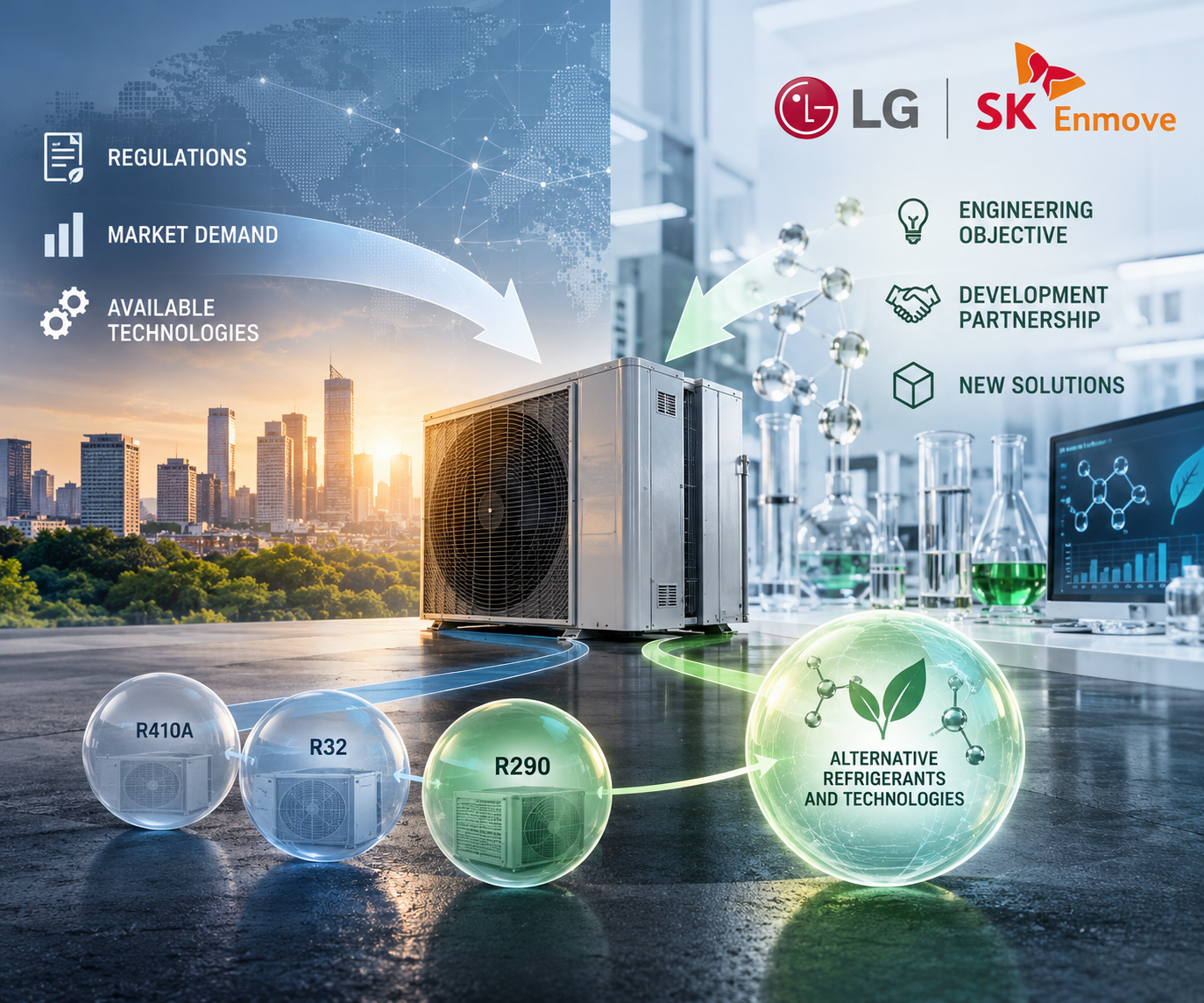
𝗟𝗚 𝗘𝗹𝗲𝗰𝘁𝗿𝗼𝗻𝗶𝗰𝘀 𝗿𝗲𝗰𝗲𝗻𝘁𝗹𝘆 𝘀𝗶𝗴𝗻𝗲𝗱 𝗮𝗻 𝗮𝗴𝗿𝗲𝗲𝗺𝗲𝗻𝘁 𝘄𝗶𝘁𝗵 𝗦𝗞 𝗘𝗻𝗺𝗼𝘃𝗲
to jointly develop new refrigerants, refrigeration lubricants and cooling technologies. LG is not simply selecting an existing refrigerant and designing equipment around it. It is participating directly in developing the fluids and technologies that could shape its future products. Over the years, from R410A to…
Continue reading...
𝗜𝗻 𝗝𝘂𝗹𝘆, 𝗠𝗶𝗱𝗲𝗮 𝗽𝗿𝗼𝗱𝘂𝗰𝗲𝗱 𝗮𝗻𝗱 𝗱𝗶𝘀𝗽𝗮𝘁𝗰𝗵𝗲𝗱 𝟮𝟬,𝟬𝟬𝟬 𝗣𝗼𝗿𝘁𝗮𝗦𝗽𝗹𝗶𝘁 𝗮𝗶𝗿-𝗰𝗼𝗻𝗱𝗶𝘁𝗶𝗼𝗻𝗶𝗻𝗴 𝘂𝗻𝗶𝘁𝘀 𝗳𝗼𝗿 𝘁𝗵𝗲 𝗙𝗿𝗲𝗻𝗰𝗵 𝗺𝗮𝗿𝗸𝗲𝘁 𝘄𝗶𝘁𝗵𝗶𝗻 𝘀𝗲𝘃𝗲𝗻 𝗱𝗮𝘆𝘀.
The case attracted attention because of the speed of the industrial and logistical response. But for a non-European HVAC/R manufacturer, production speed is only one part of the European market-entry equation. ➡️ In France, the customs declaration system is now electronically connected to the European…
Continue reading...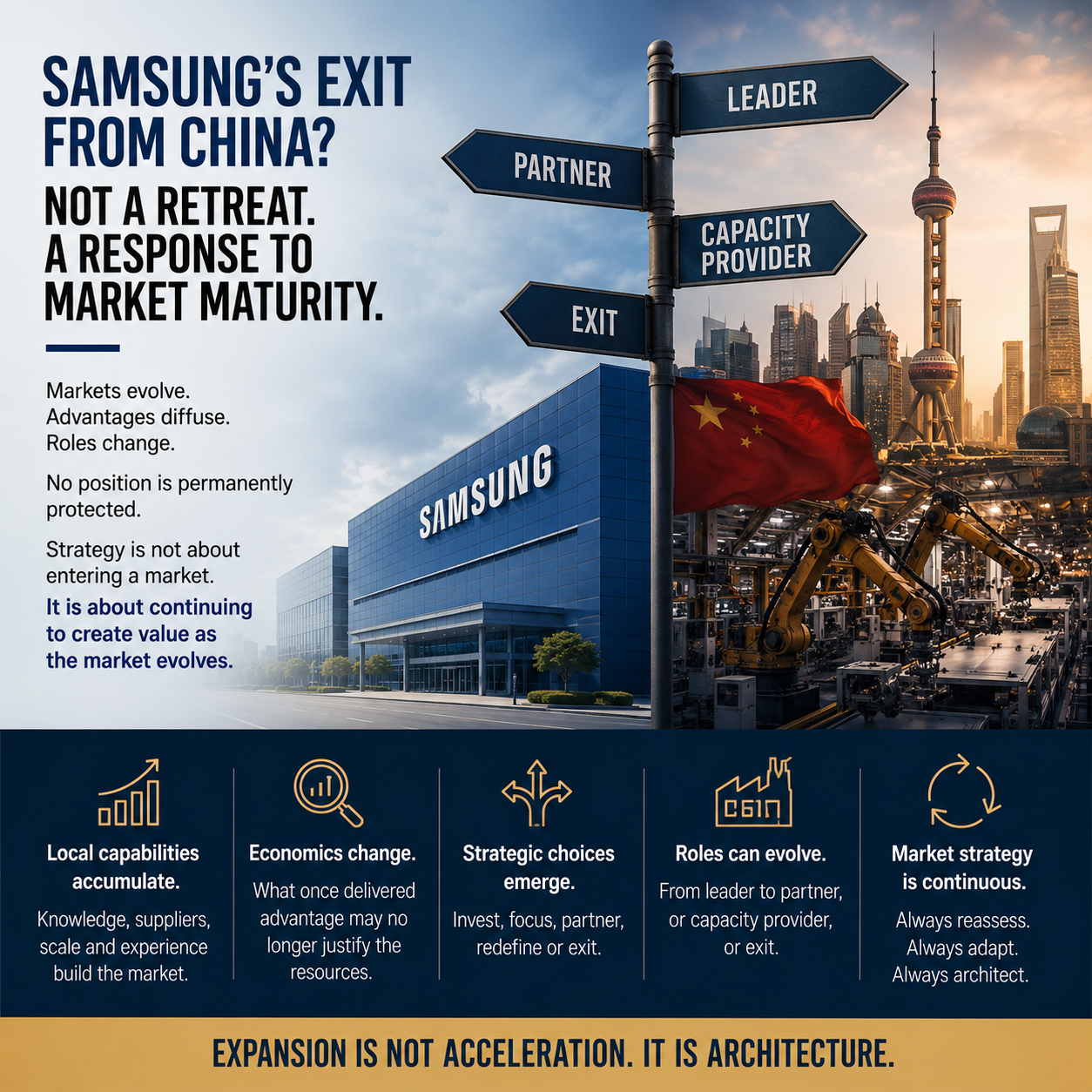
𝗦𝗮𝗺𝘀𝘂𝗻𝗴 𝗶𝘀 𝗿𝗲𝗽𝗼𝗿𝘁𝗲𝗱𝗹𝘆 𝘄𝗶𝘁𝗵𝗱𝗿𝗮𝘄𝗶𝗻𝗴 𝘁𝗲𝗹𝗲𝘃𝗶𝘀𝗶𝗼𝗻𝘀 𝗮𝗻𝗱 𝗺𝗮𝗷𝗼𝗿 𝗵𝗼𝘂𝘀𝗲𝗵𝗼𝗹𝗱 𝗮𝗽𝗽𝗹𝗶𝗮𝗻𝗰𝗲𝘀 𝗳𝗿𝗼𝗺 𝘁𝗵𝗲 𝗖𝗵𝗶𝗻𝗲𝘀𝗲 𝗺𝗮𝗿𝗸𝗲𝘁.
This should not be read as the decline of Samsung. Large corporations continuously assess where their market positions remain economically defensible and where capital can create greater value elsewhere. The more interesting signal concerns the maturity of specific segments of the Chinese market. For years,…
Continue reading...